DE
DE  IT
IT  FR
FR 


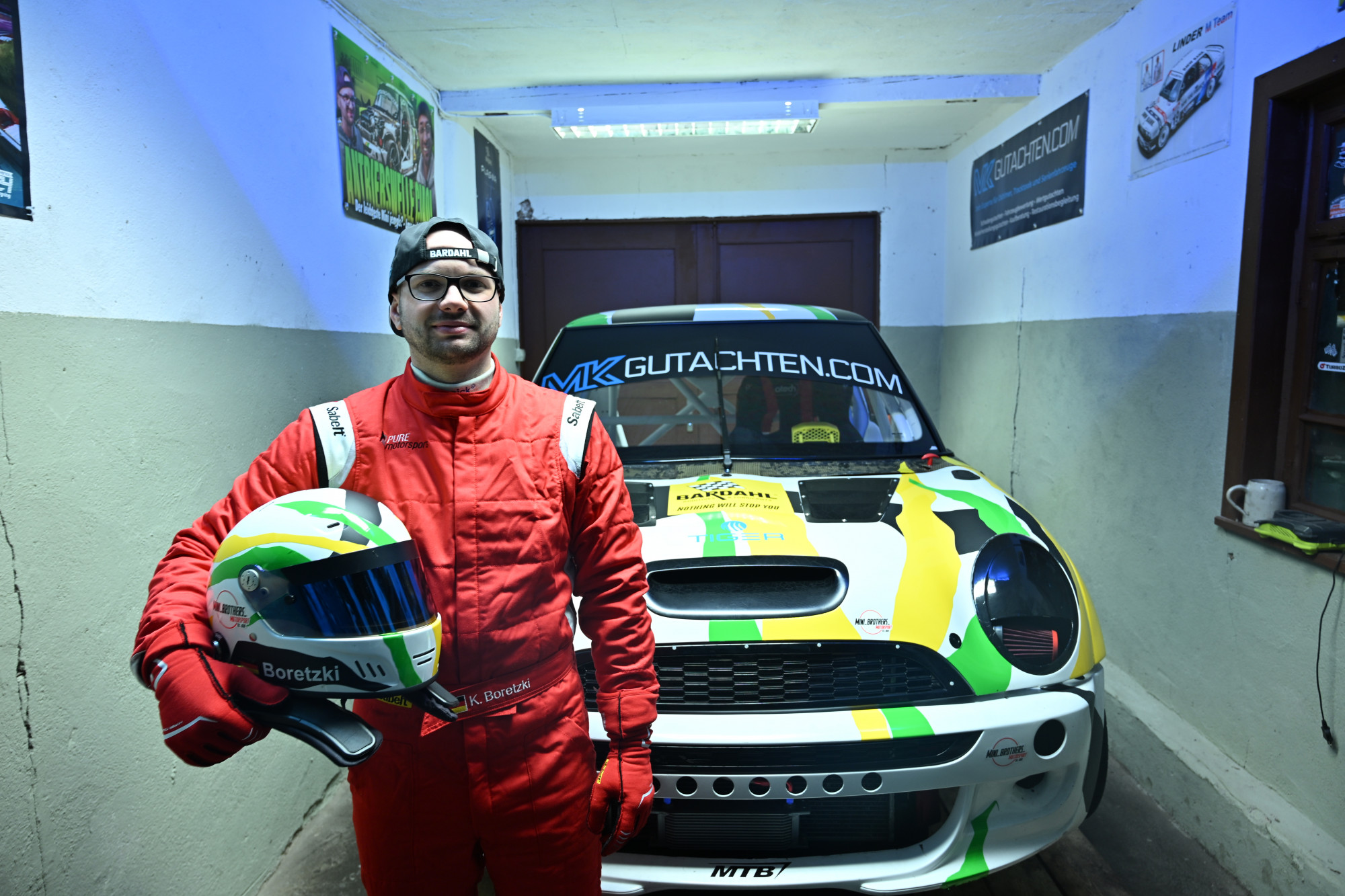
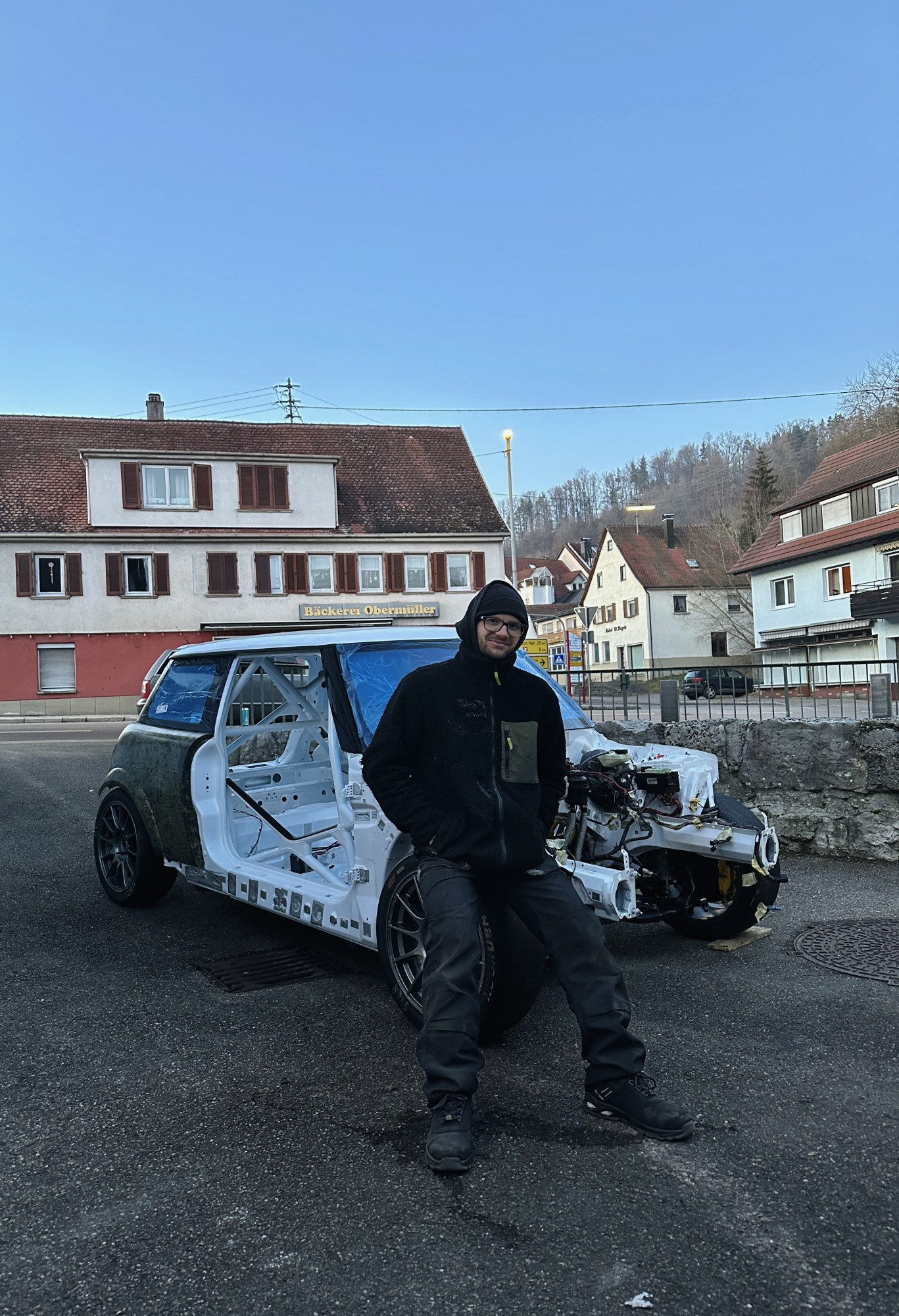
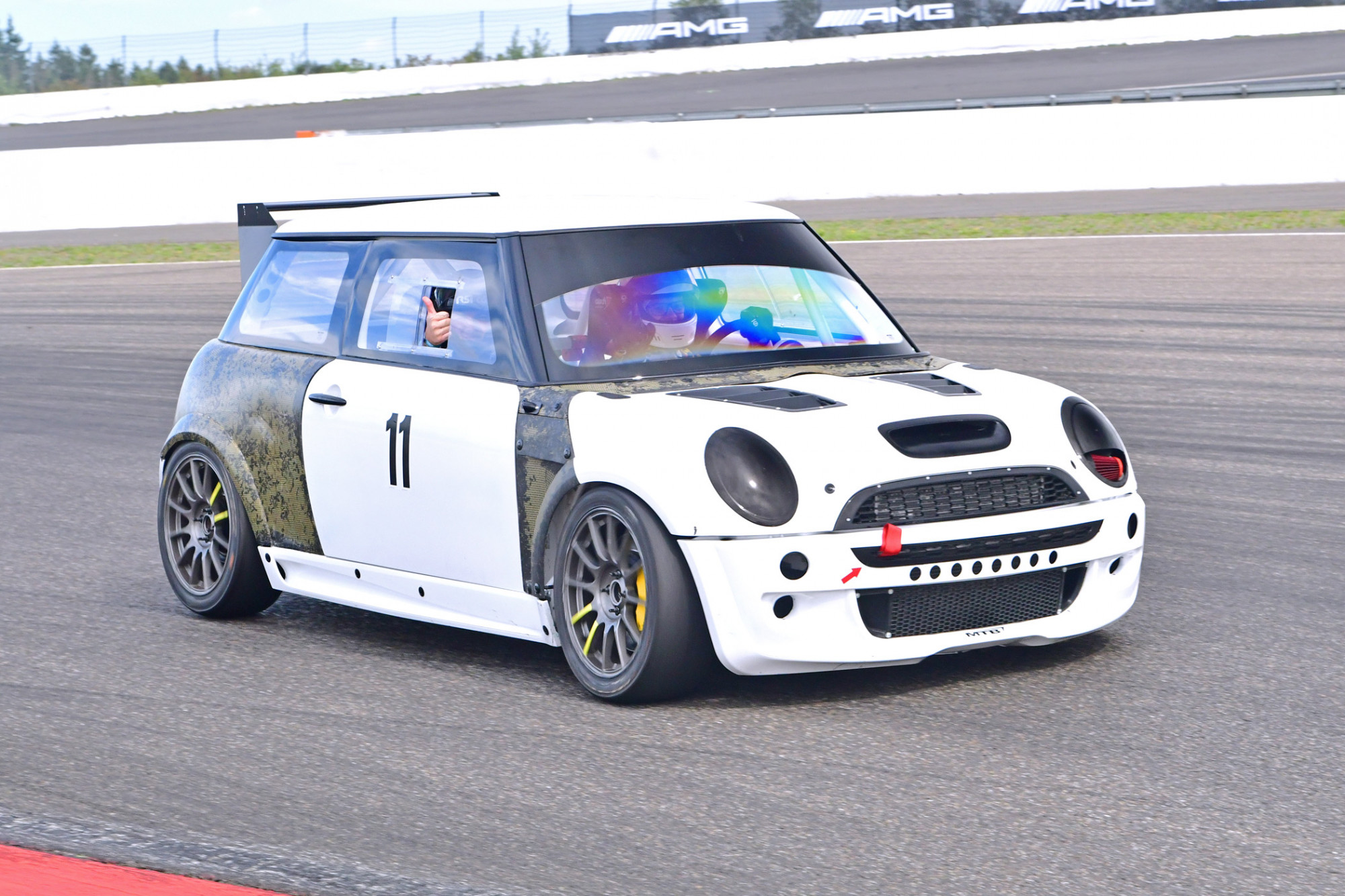
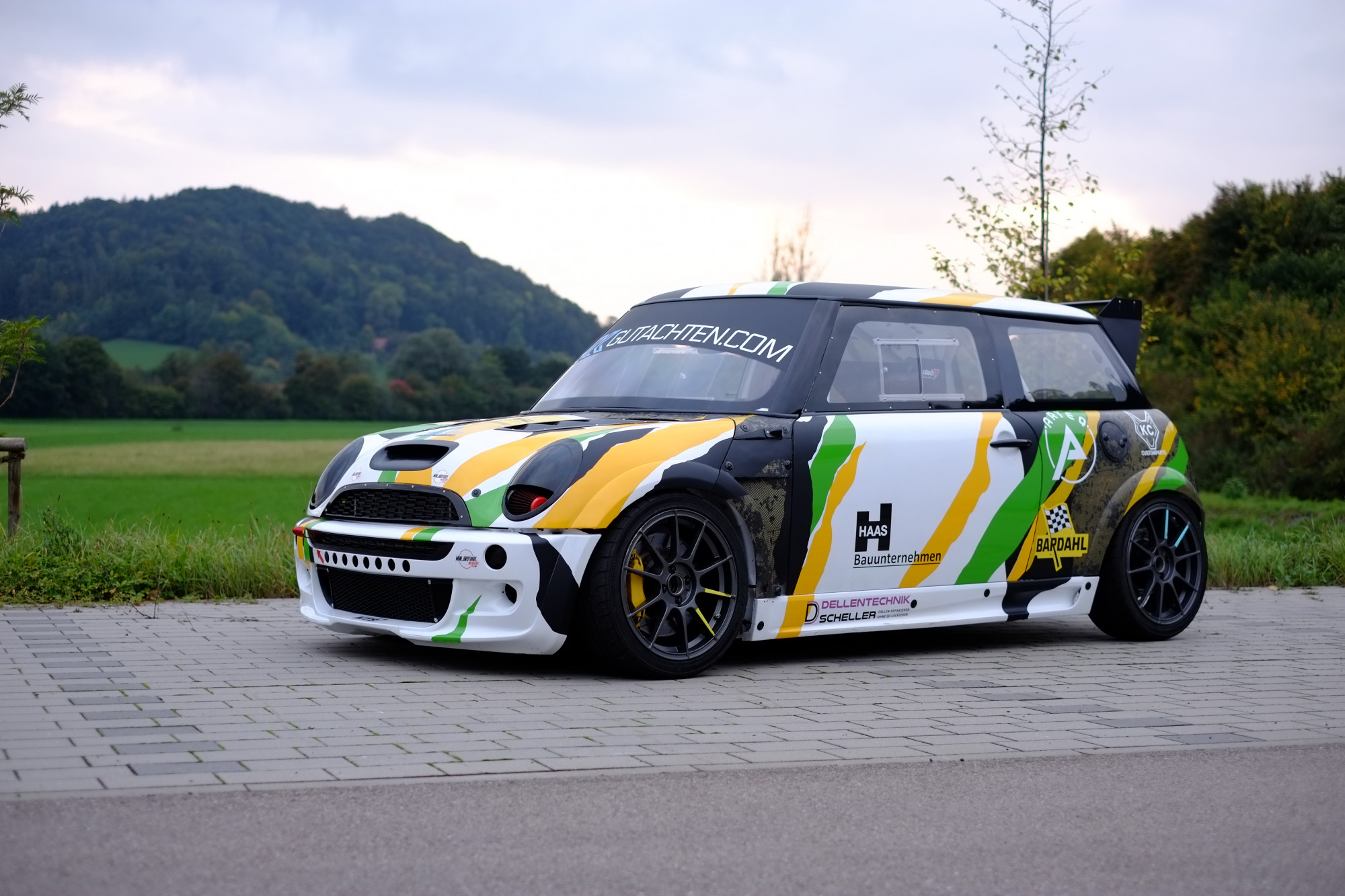
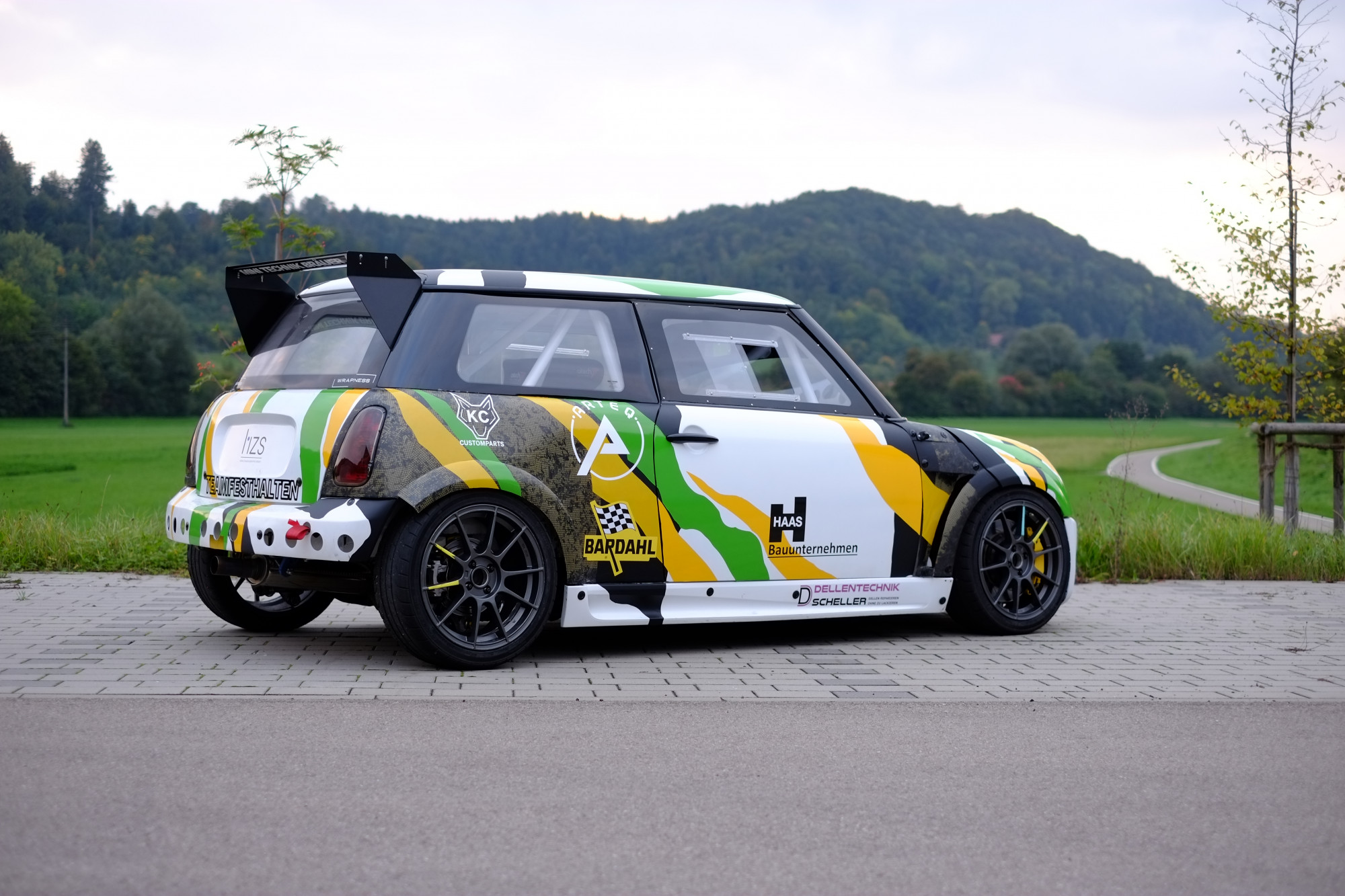
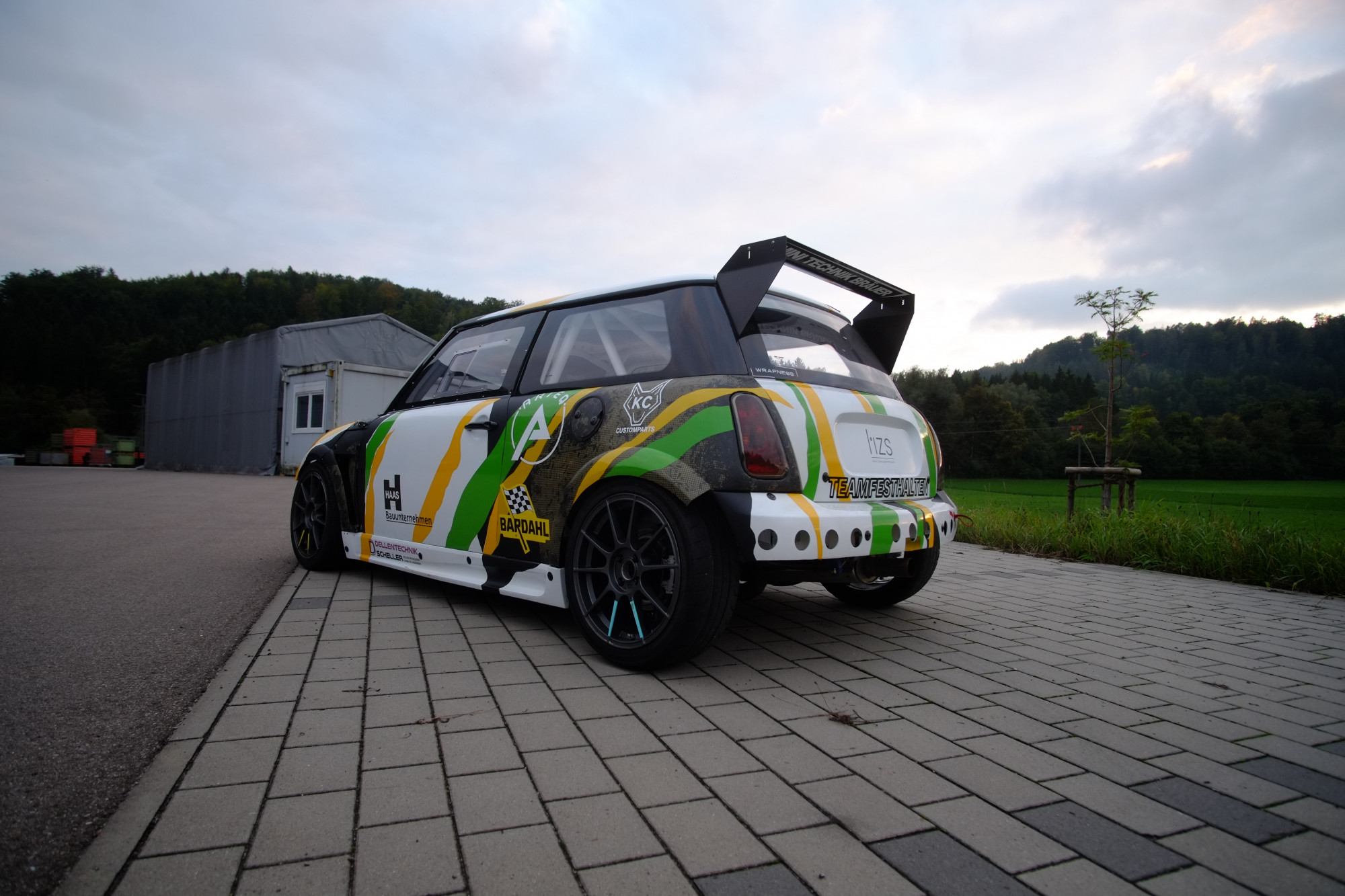
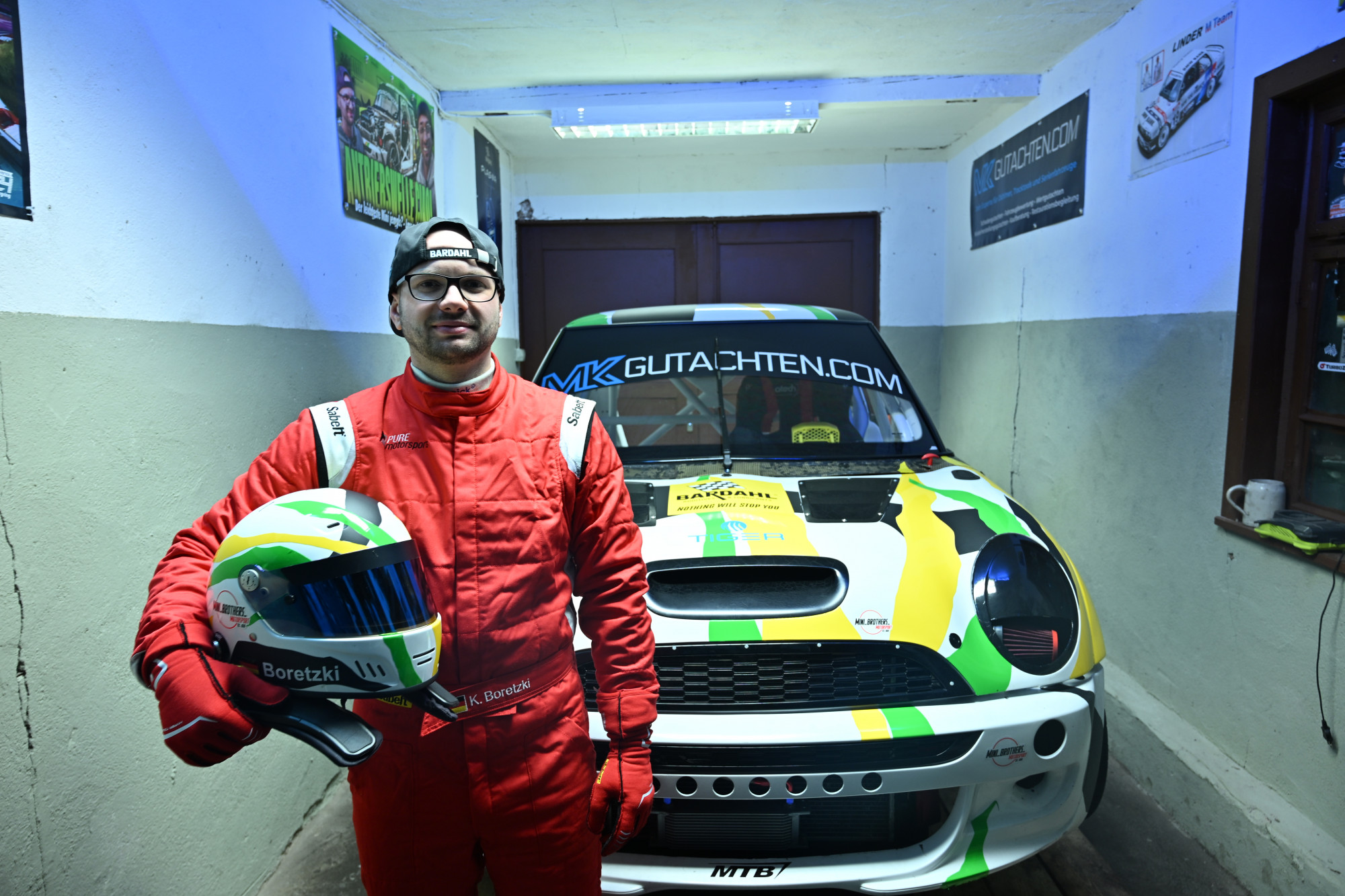
My name is Kevin Boretzki, I am 28 years old and I come from near Schwäbisch Hall. I am a trained industrial mechanic and, for as long as I can remember, I have been enthusiastic about cars and motorsport. Some time ago, I dedicated myself to the Mini R53 and turned this topic into my great passion. In the meantime, the whole thing has escalated to the point that I have probably built the lightest R53 ever. I would like to tell the story of how this came about and what lies behind the car.
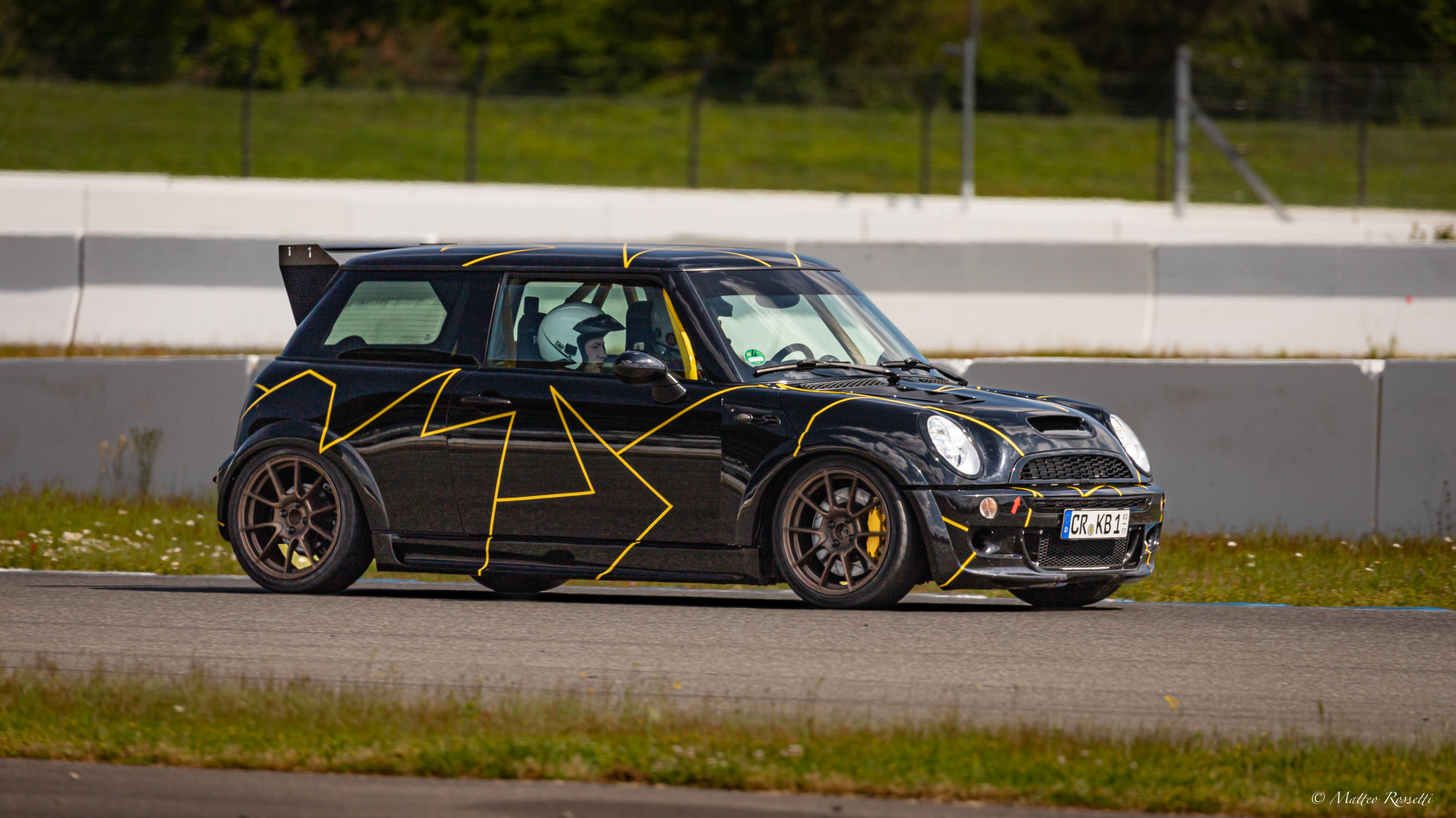
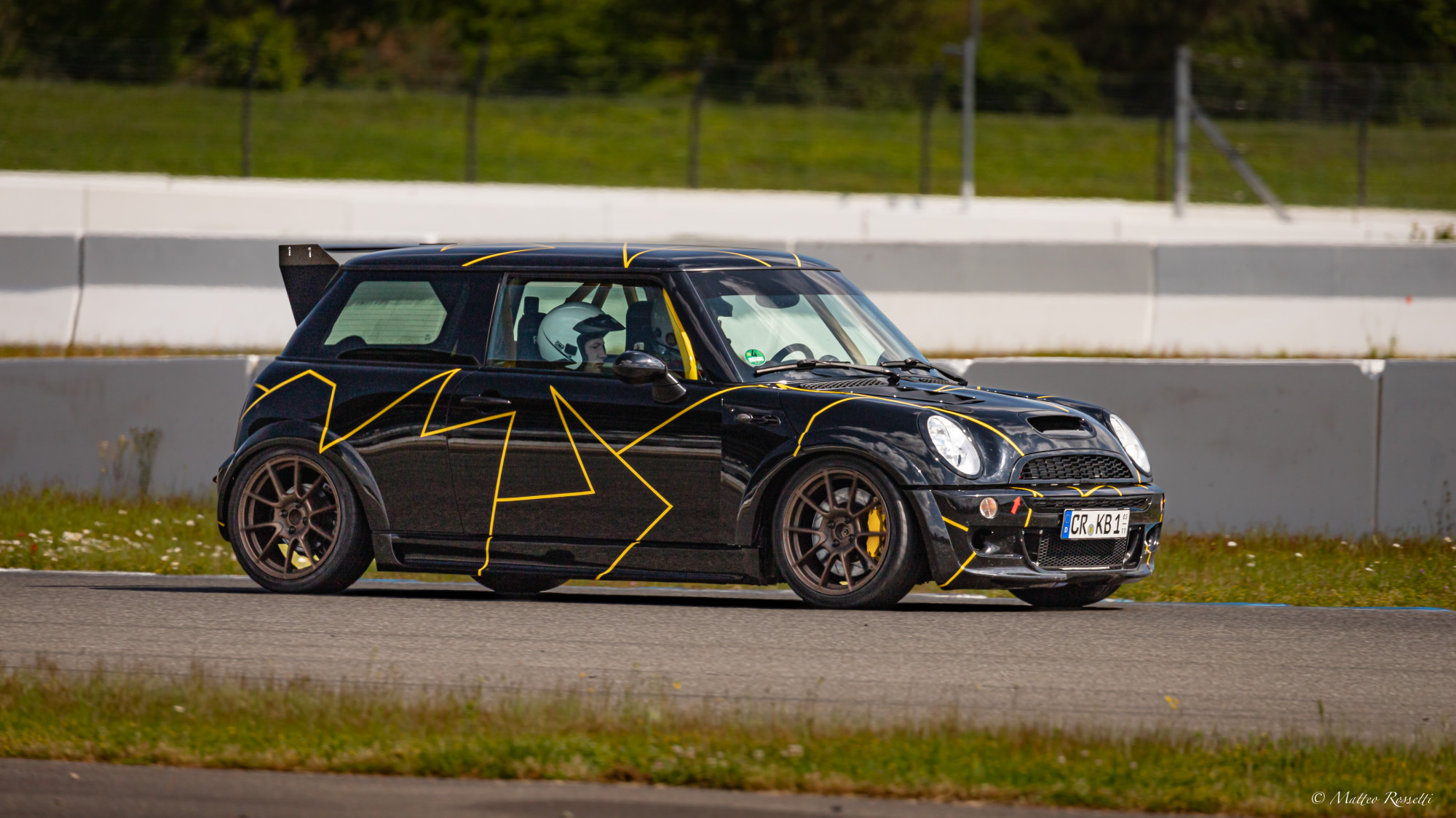
But where do I start? Perhaps with my old R53, with which everything began a good seven years ago. My father owned a BMW 320 E30, and even as a child, I worked on it with him. My mother used to have a Classic Mini, and my best buddy bought a Mini R53 at some point. The first time I drove it, it was love at first sight. The supercharger sound, the typical go-kart feeling – that was really something very special. A short time later, I bought myself a Mini R53 John Cooper Works Facelift. Of course, the car didn't stay in its production state for long. On the very day of purchase, I fitted a smaller supercharger pulley – virtually a must for the R53. But of course, it didn't stop there. Buddies of mine were driving tourist laps at the Nürburgring, and I just thought it was awesome: taking your own car onto the racetrack. That was exactly what I wanted too. So I decided to convert the Mini into a track tool for the circuit. Roll cage, seats, bigger brakes, stripping the interior, and saving weight – the typical program. A short time later, the first outings on various racetracks followed. This continued for over three years. The car was continuously optimized, made faster, and my passion for wrenching and tinkering grew stronger and stronger. The topic of weight reduction fascinated me in particular. The engine remained largely close to production standard, but simply through less weight, the lap times got better and better.
At this point, I absolutely must mention one person who influenced me greatly: Tom Bräuer. An engineer with impressive technical skills and ideas. His Mini R50 with individual throttle bodies and 167 hp, radically converted for the racetrack, weighs just 879 kilograms dry.
Like so many Mini drivers, I initially just wanted to buy a set of his well-known lightweight footrests from him. That's how it all started. Over the years, he has then – hopefully – taken me to his heart and supported me heavily in motorsport. Half my car now consists of parts from him. For that, at this point: Thank you!
The old Mini
My original Mini became more and more radical and at some point was no longer street legal. In its final setup, the car had around 230 hp and weighed 996 kg when completely full of fuel. All body parts were still made of sheet metal – my big goal back then was to get under the 1000-kilo mark. I collected most of my racetrack kilometers on the Hockenheimring, my home track. My fastest lap with the Mini was a 2:05.31 minutes on the GP layout – driven on pretty worn Kumho V70 semi-slicks. Of course, a lot more is possible when everything comes together. Actually, I wanted to keep attacking with this car. But due to some circumstances and coincidences, everything turned out differently. And this is exactly where my current project begins.
The new beginning
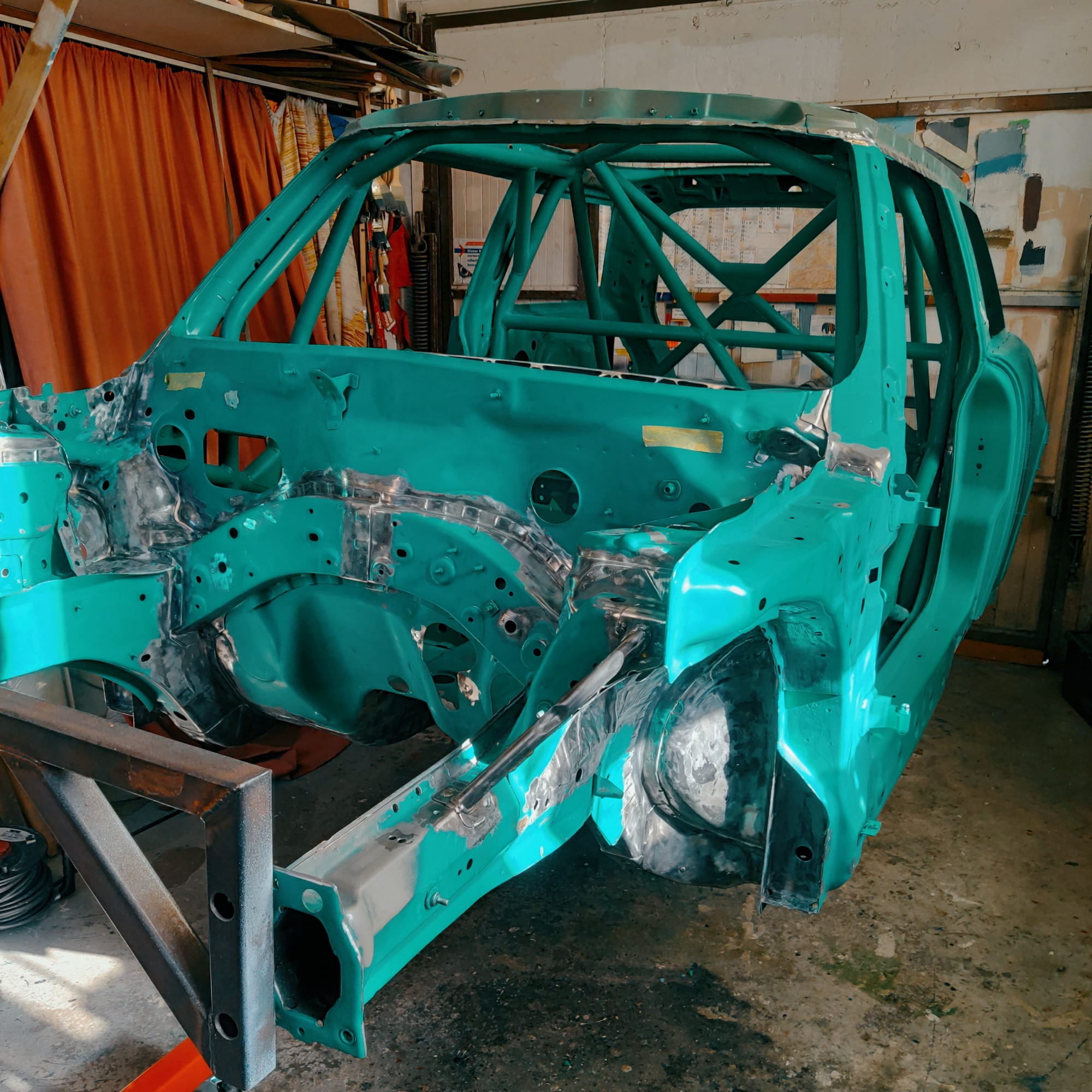
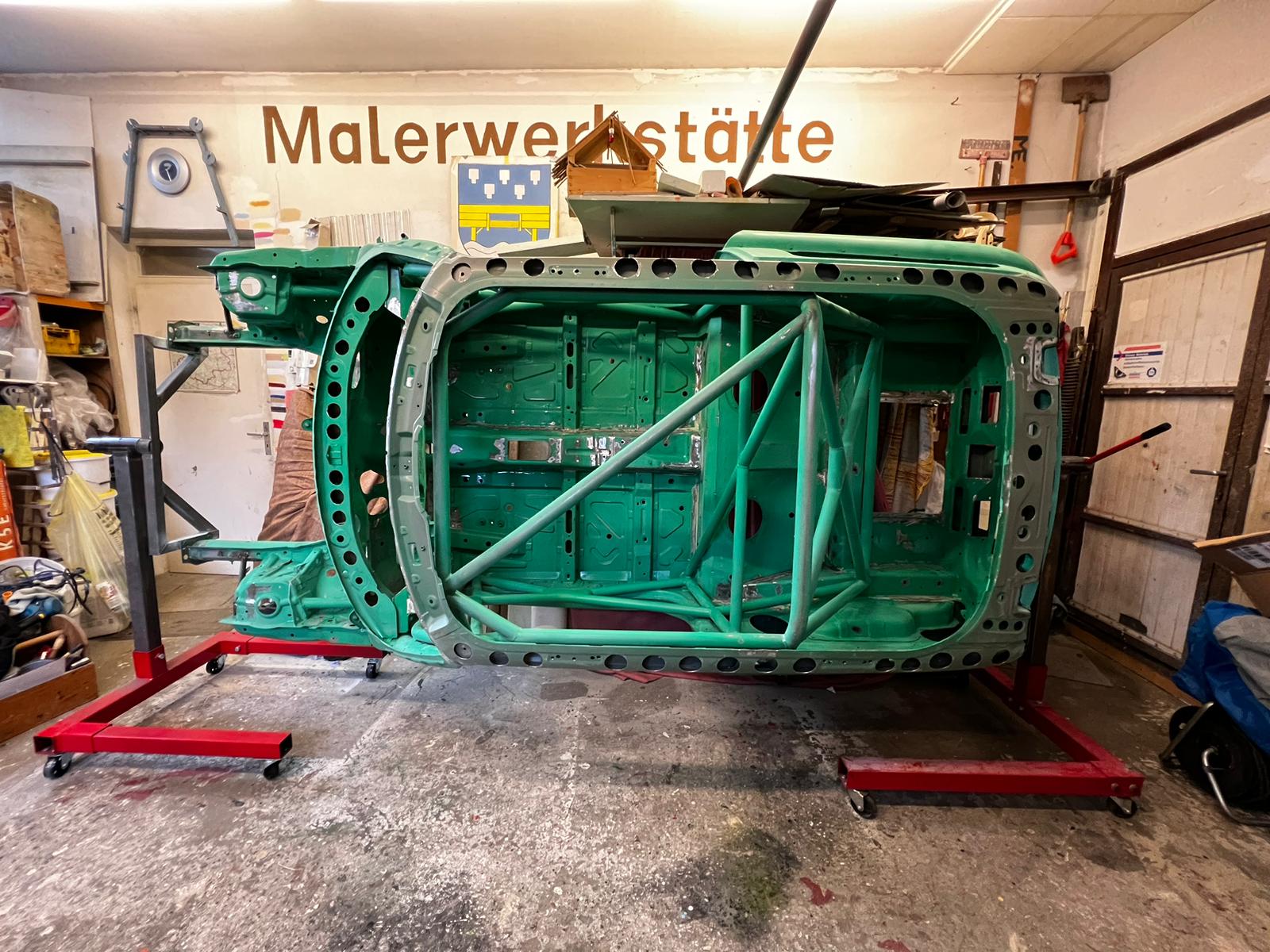
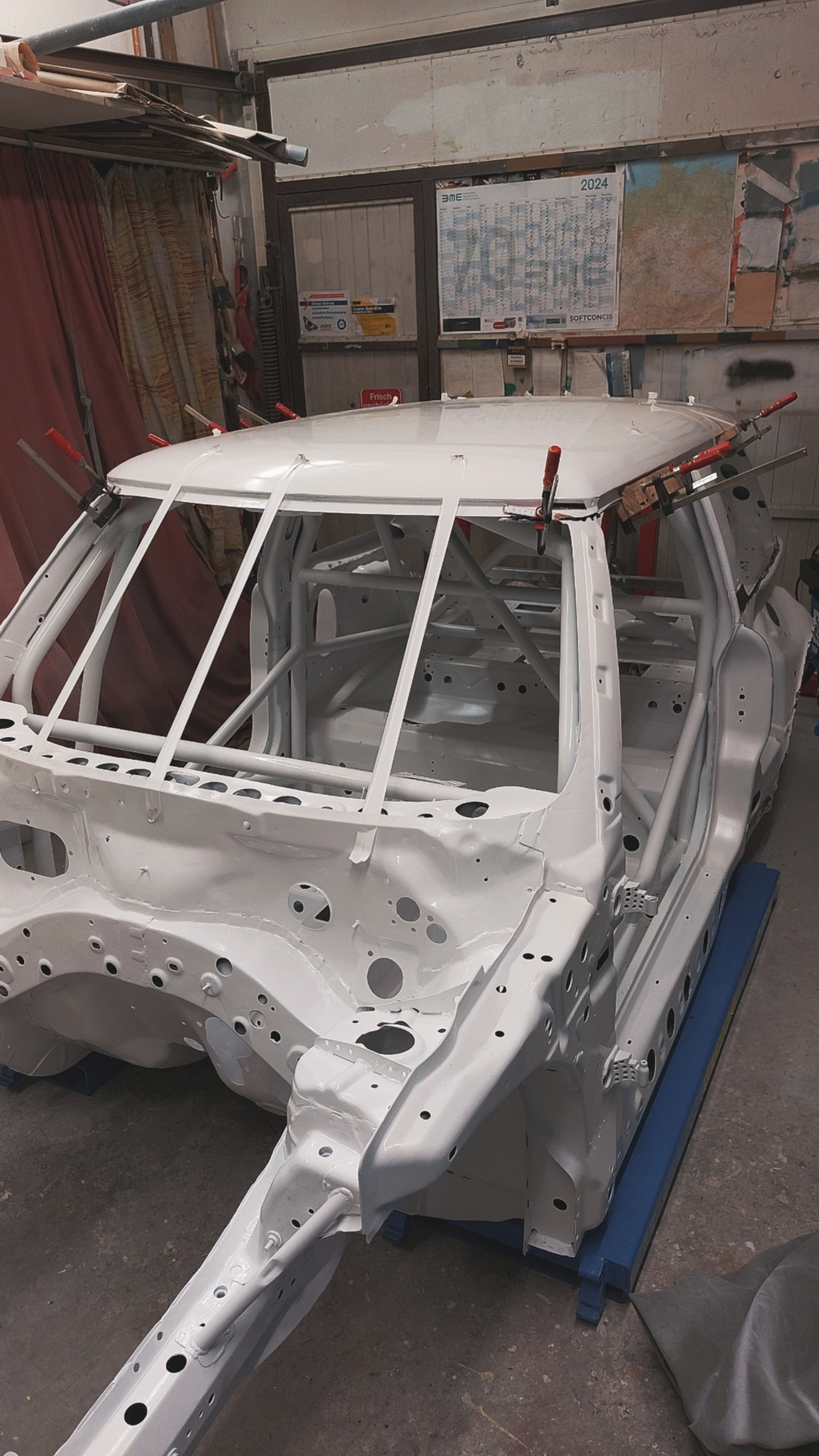
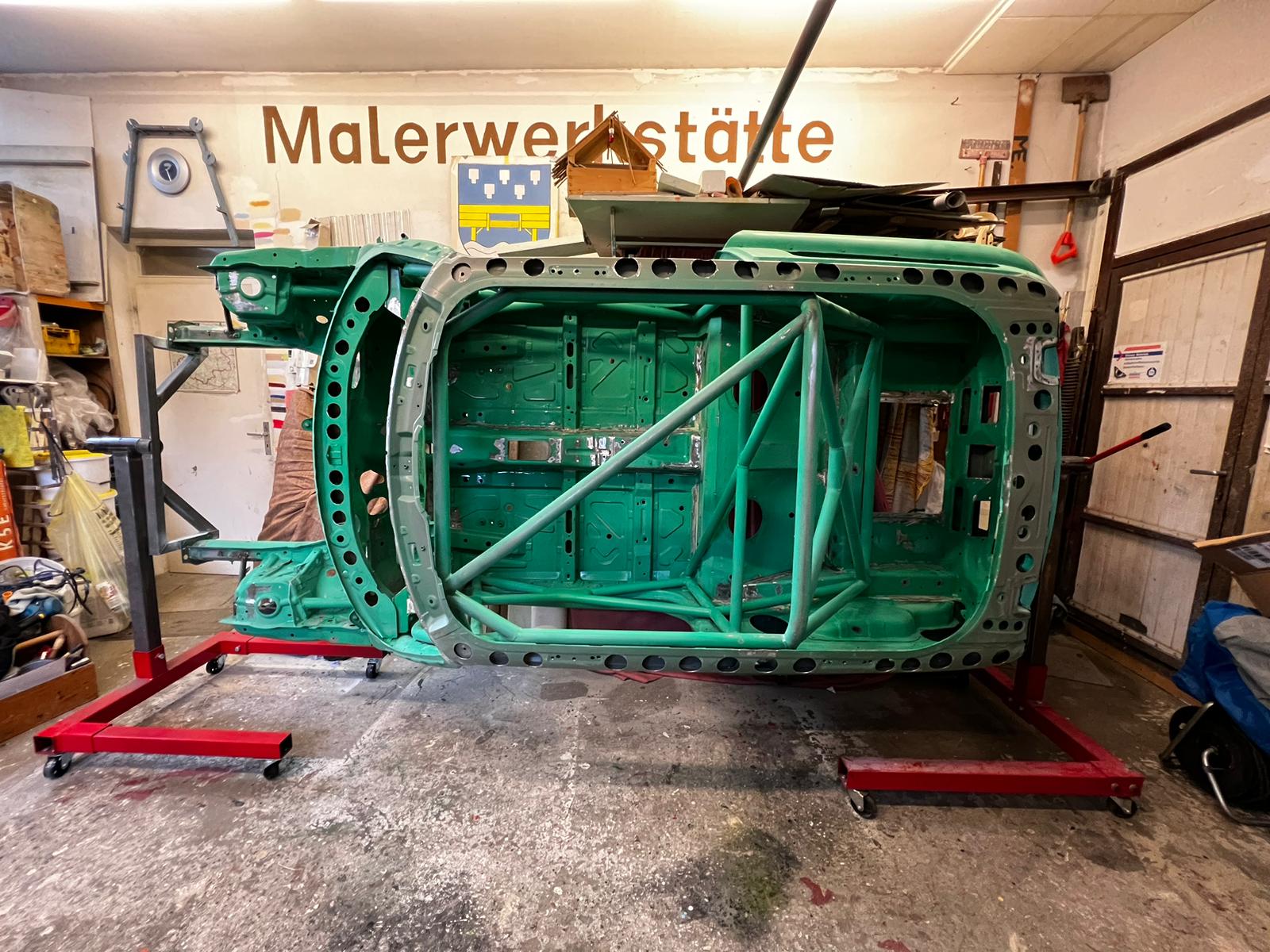
My original plan was to continue converting the black Mini and have a roll cage welded in. But one day I was standing in a garage at the Nürburgring in front of several R53 bodies – including former Challenge cars. One of them was for sale. So I bought a body including Raceparts CC FIA cage and some carbon parts. A pretty good deal – after all, that was exactly what I had always wanted. So: grabbed a trailer, transported the whole thing to Swabia, unloaded it – and first thought about what exactly I was going to do with it now. At that time, my black Mini was still ready for action and was still being driven. At the same time, several options went through my head: Do I build a completely new car and sell the old Mini? Do I only carry over parts? Do I repaint the body? According to which regulations do I even want to race? Over time, however, it became clearer and clearer to me that there was only one way for me – the most radical one. Anyone who knows me knows: If I do something, I do it right. I always want to get the maximum out of it and have clear ideas. Basically, the only thing I liked about the body was the cage – in my eyes, the rest offered enormous potential for weight reduction and optimization.
The concept: Lightweight Mini
So I asked myself a simple question: How light and fast can you get a Mini R53? Tom Bräuer had already set the bar extremely high with his R50. But with the supercharged R53 model, that had to be possible too. That's how the Lightweight Mini project was born. I set myself several goals:
- Under two minutes on the Hockenheim GP circuit
- But the most important thing for me was always: having fun wrenching and tinkering.
Radical weight reduction
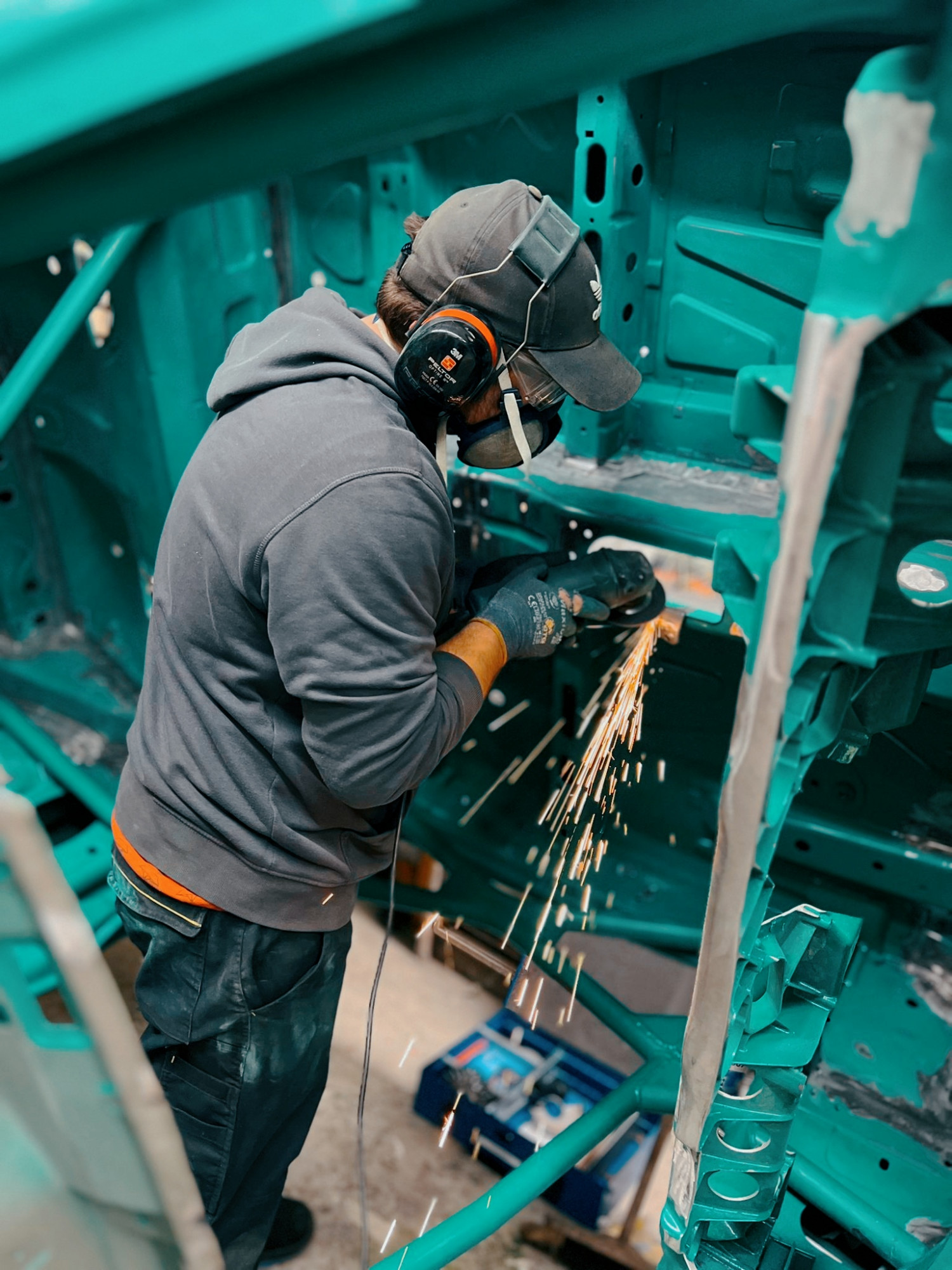
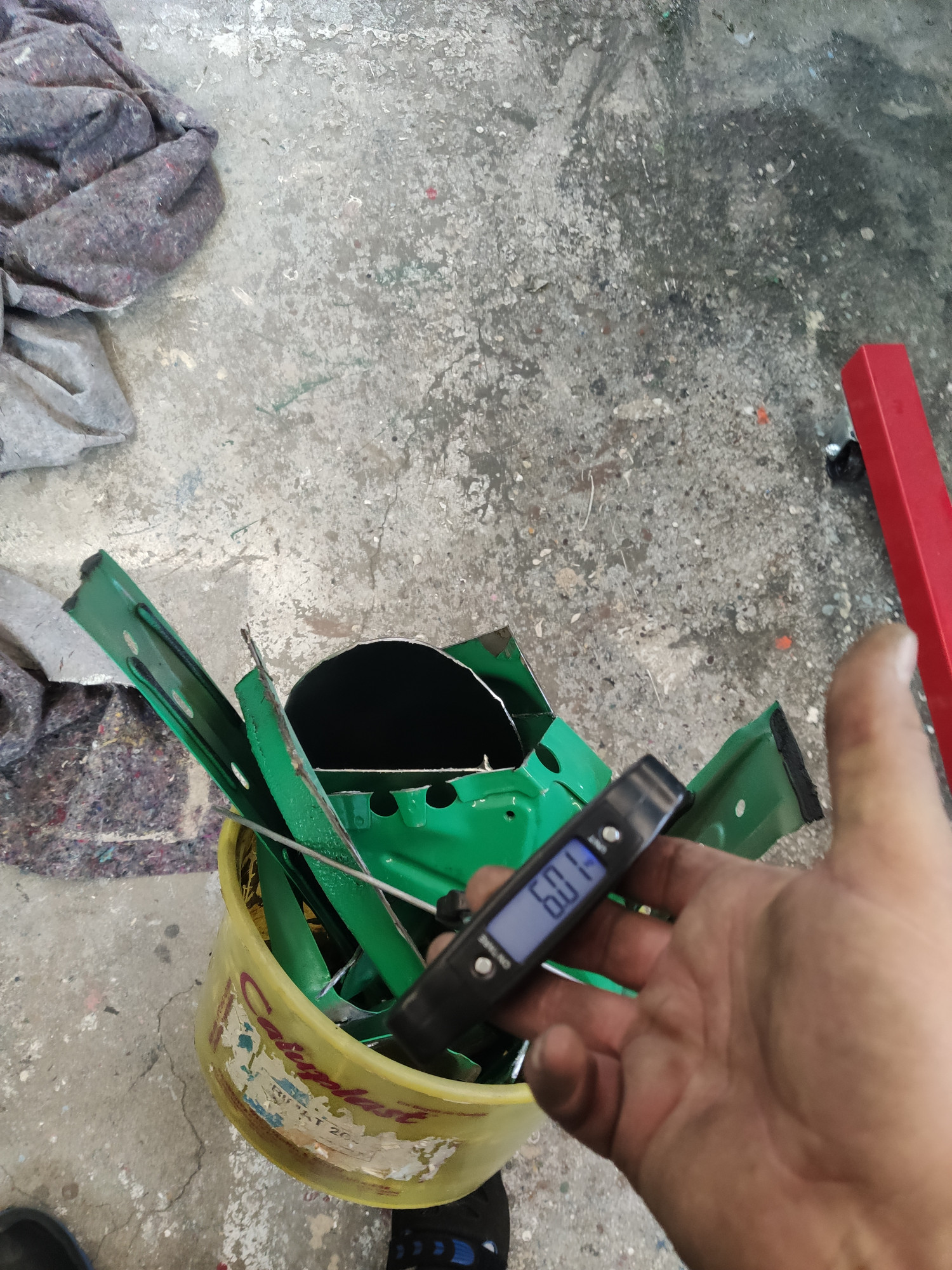
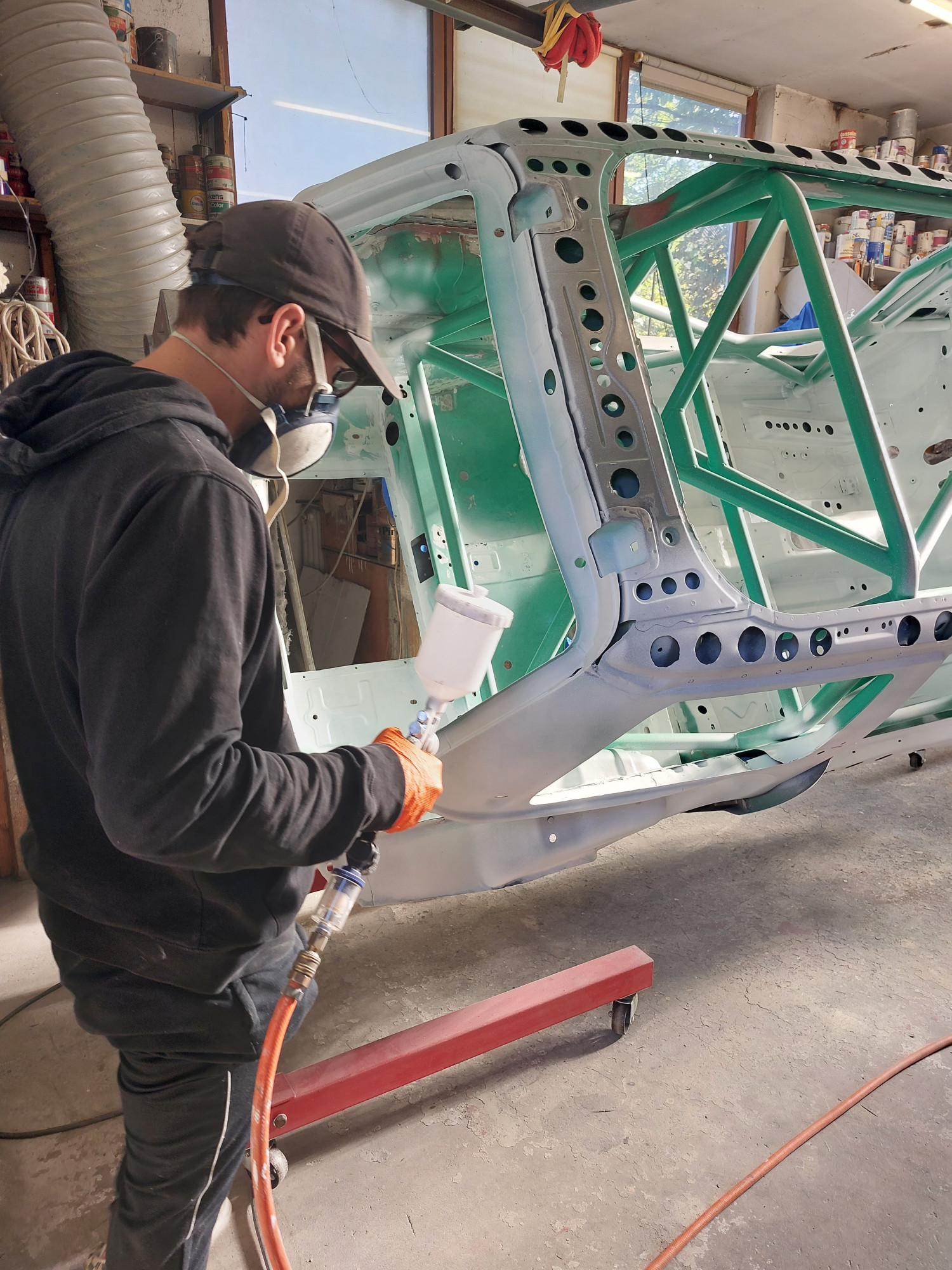
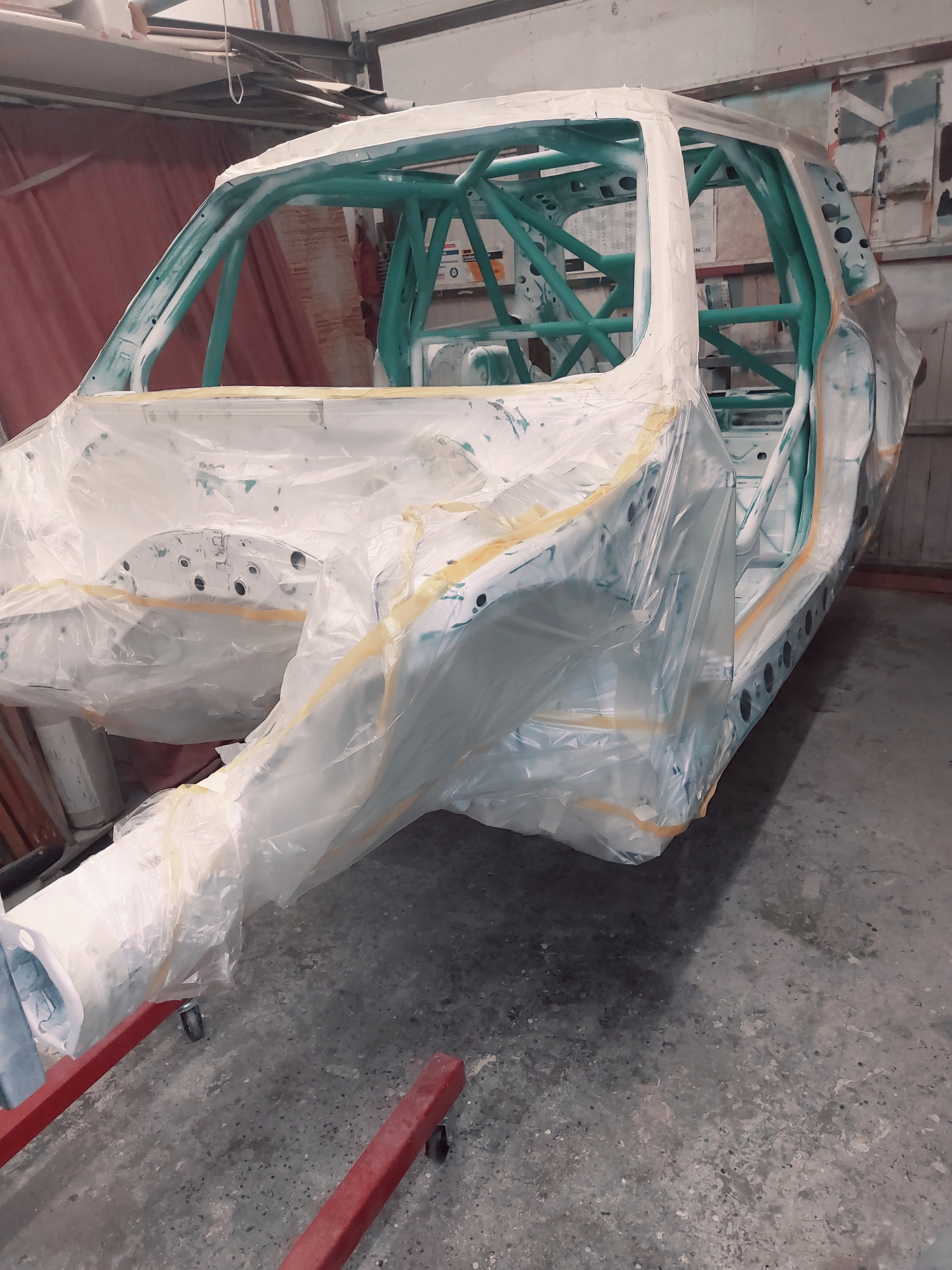
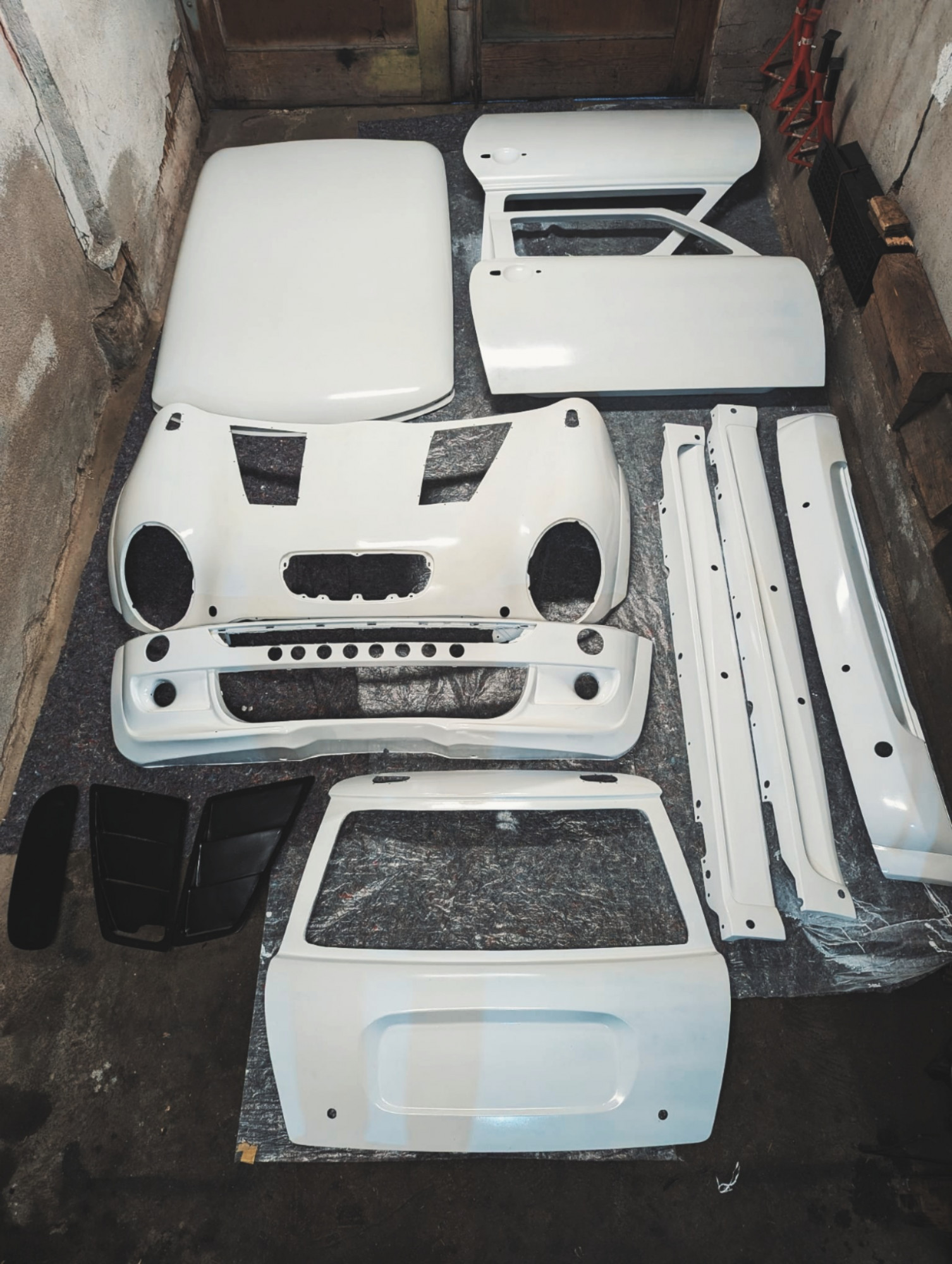
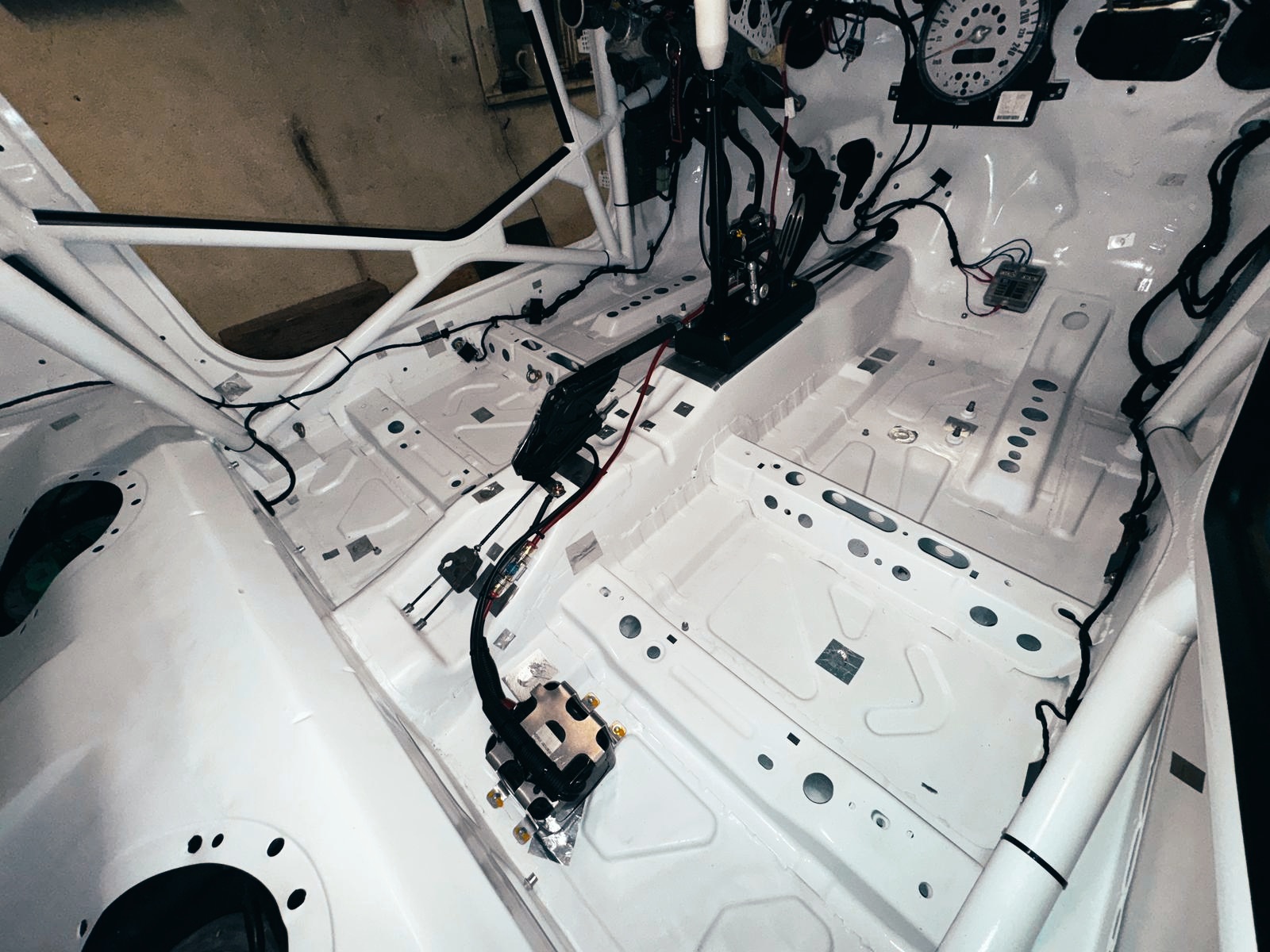
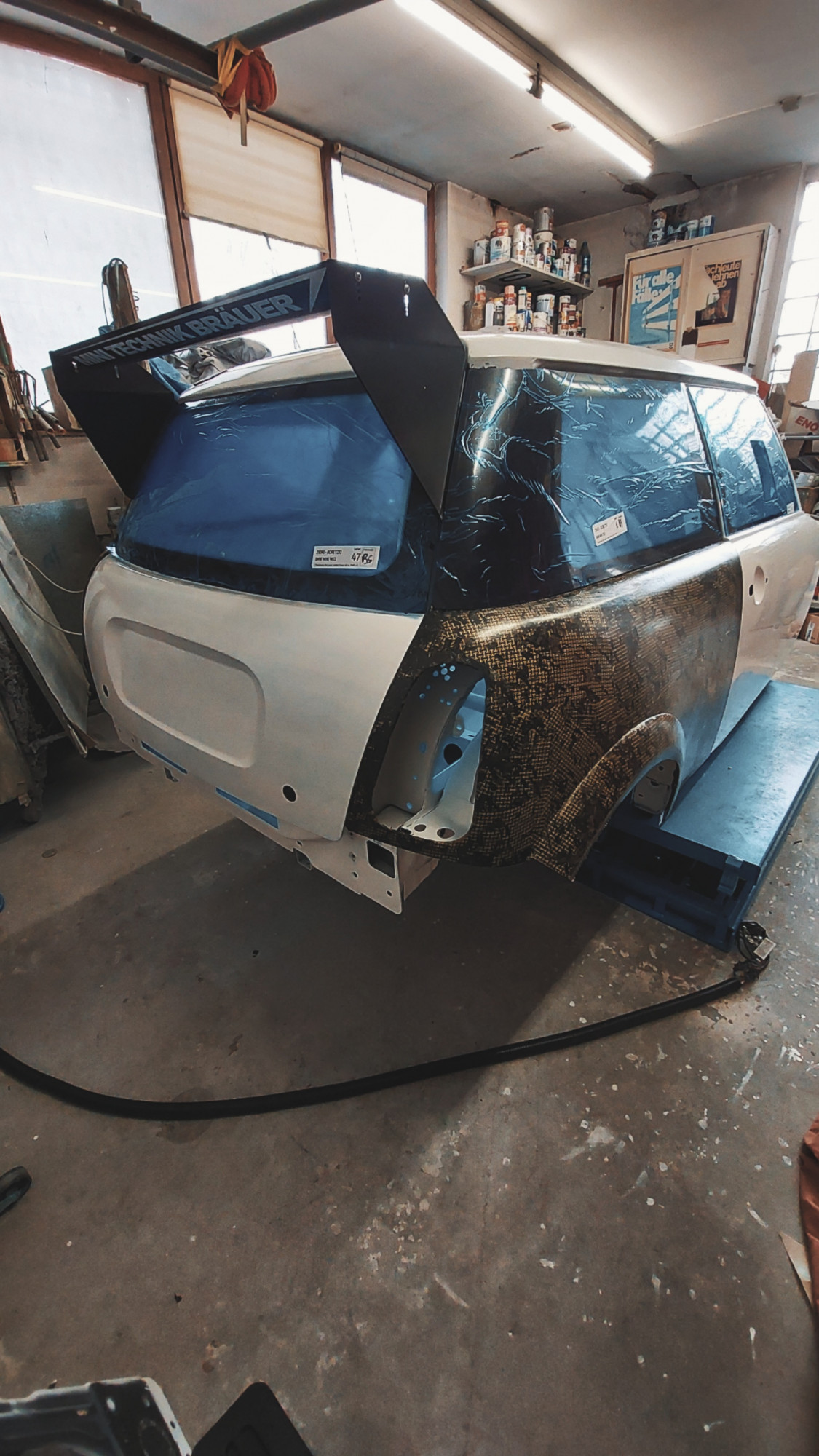
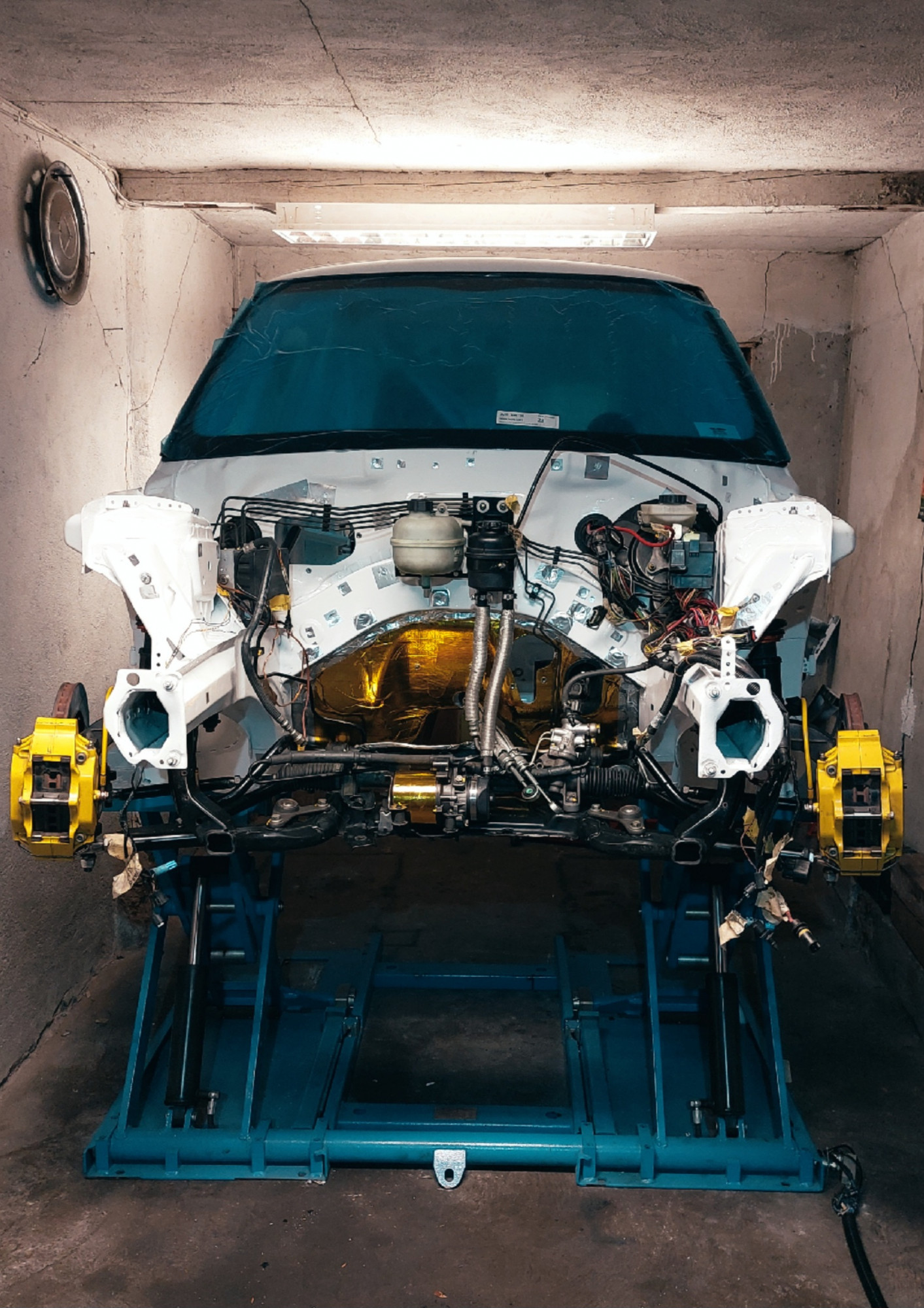
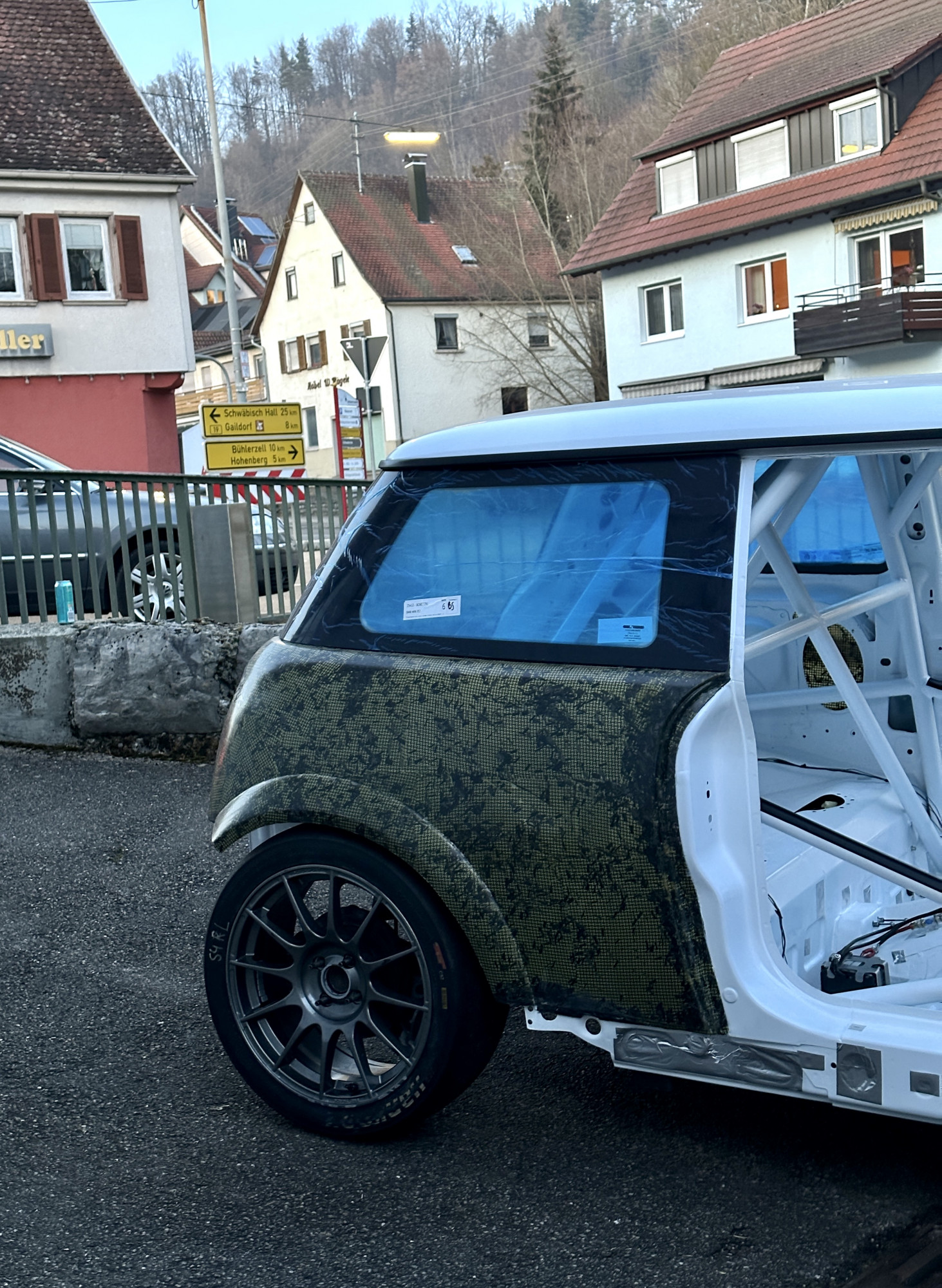
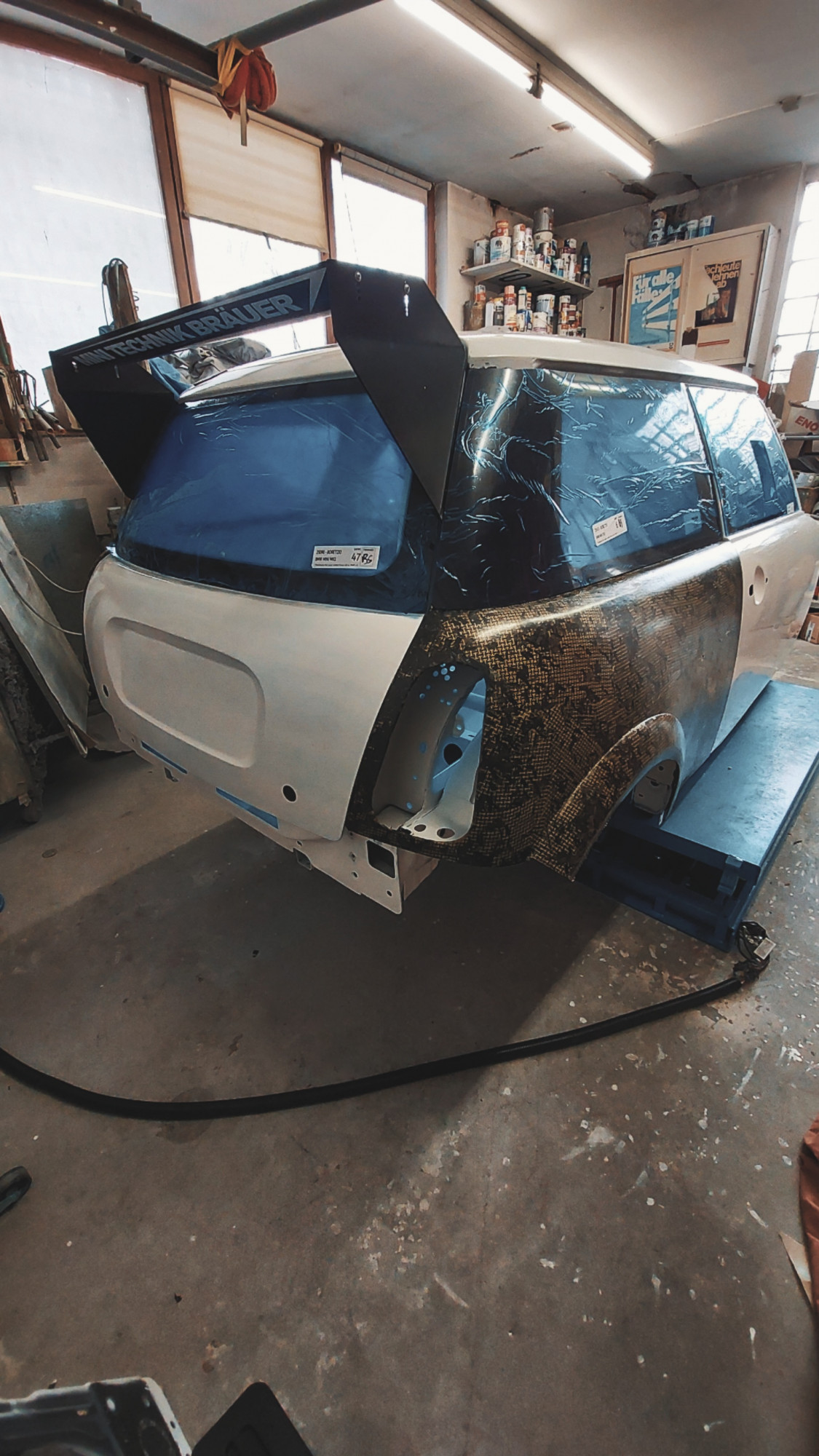
In the end, I completely stripped the black Mini to carry over as many parts as possible. For over a year, I focused exclusively on the body. I removed everything that wasn't absolutely necessary: roof out → later GRP roof (-7.5 kilos); underbody protection removed (-9 kilos); brackets, threads, reinforcements – all gone. I can proudly say: there is no longer an unnecessary thread on the body. I bought myself a welding machine and made my first welds of my own. Crucial areas were seam-welded to increase rigidity. I also built a custom steering column bracket – more than three kilos lighter than the original part. Through Instagram, I also met Sören, who drives hill climbs himself and manufactures Kevlar parts. Together, Kevlar side panels were created, which saved another 8+ kilos in weight. The final weight of the bare body was ultimately 247 kilograms.
Assembly
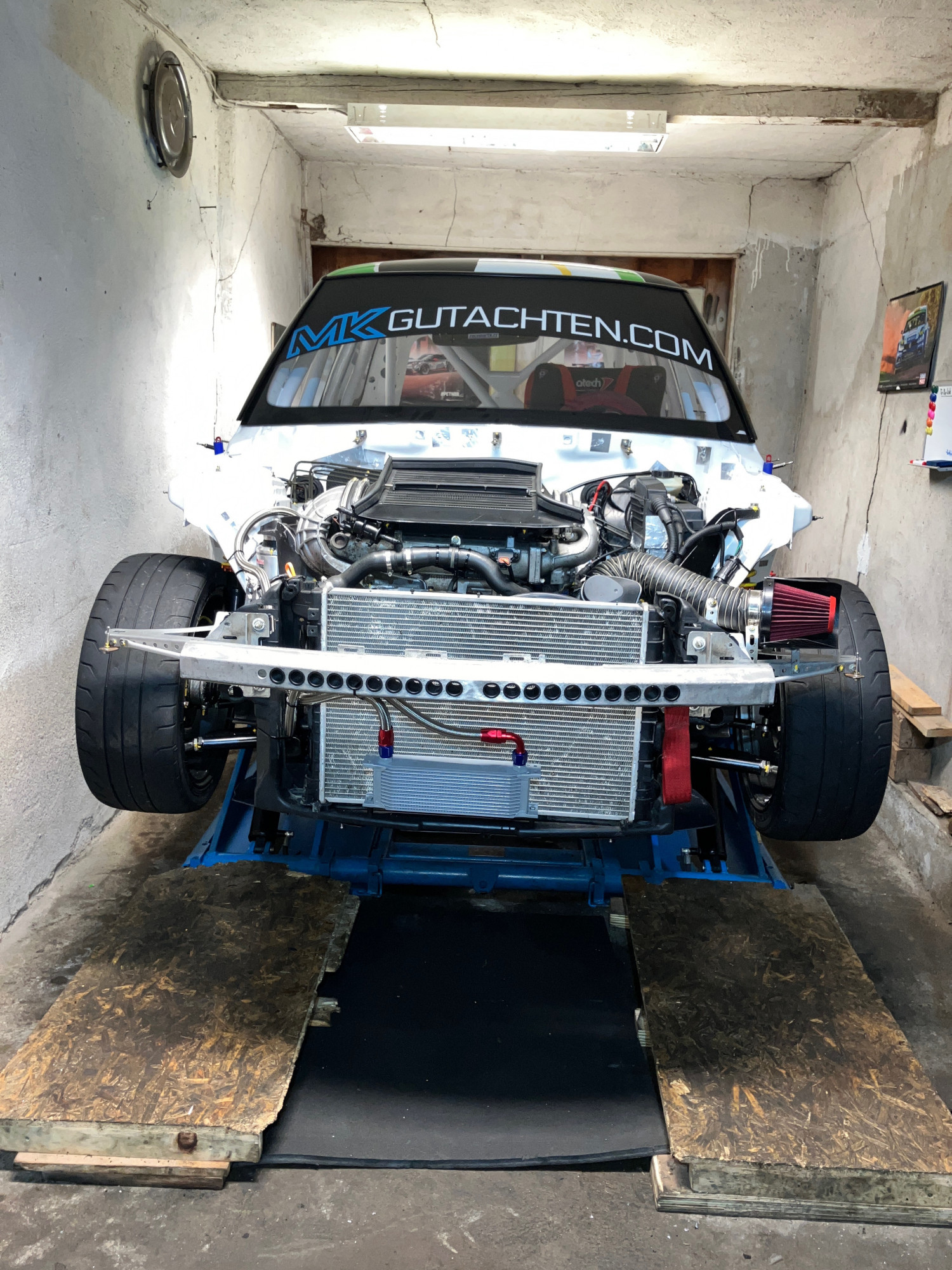
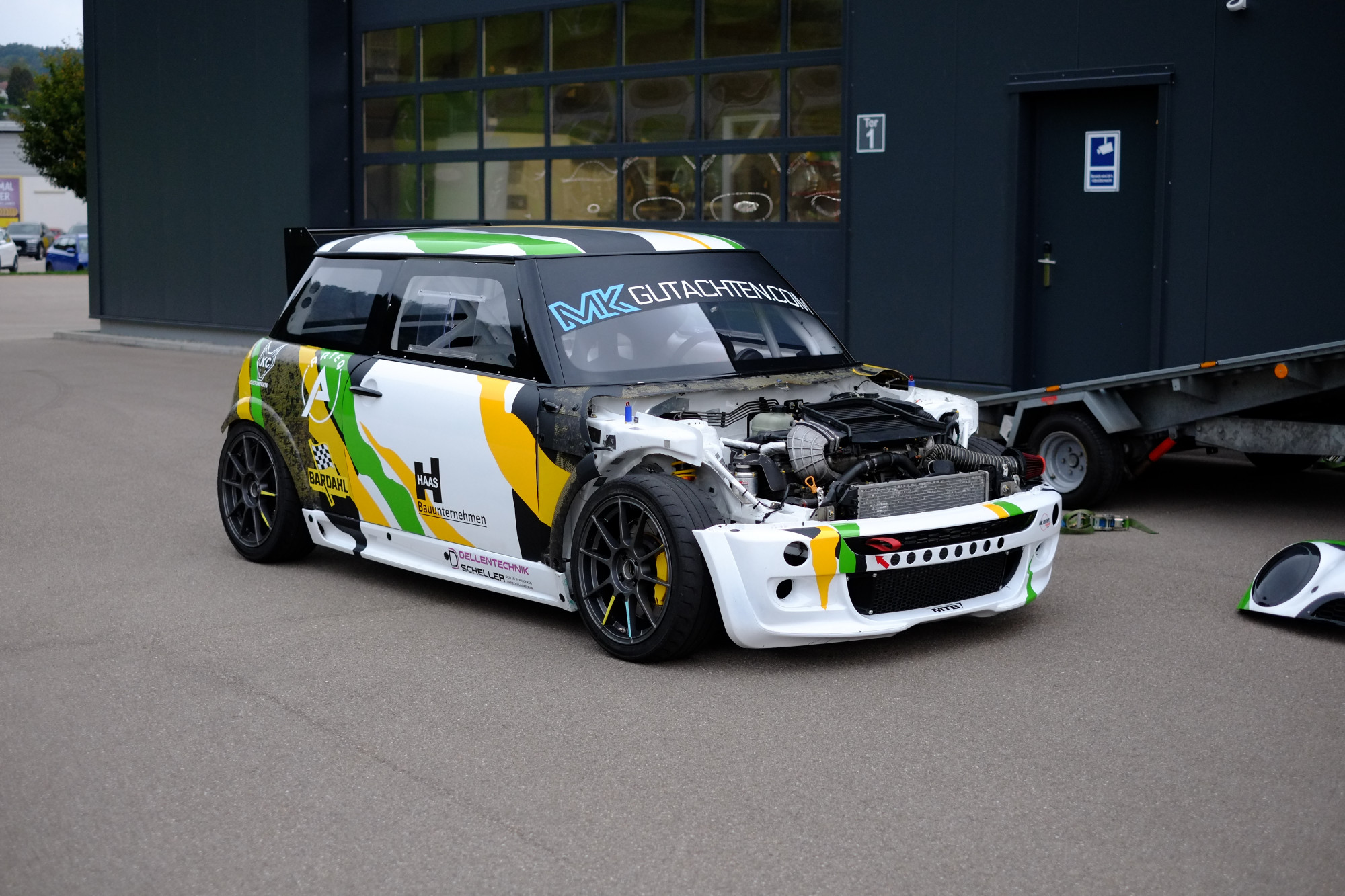
After that, the assembly began – Lego for adults. Within a year and a half, I built up the entire car. Every component was checked, lightened, or improved. Sometimes I saved several kilograms – sometimes only ten grams. But in the end, it's the sum that makes the difference.
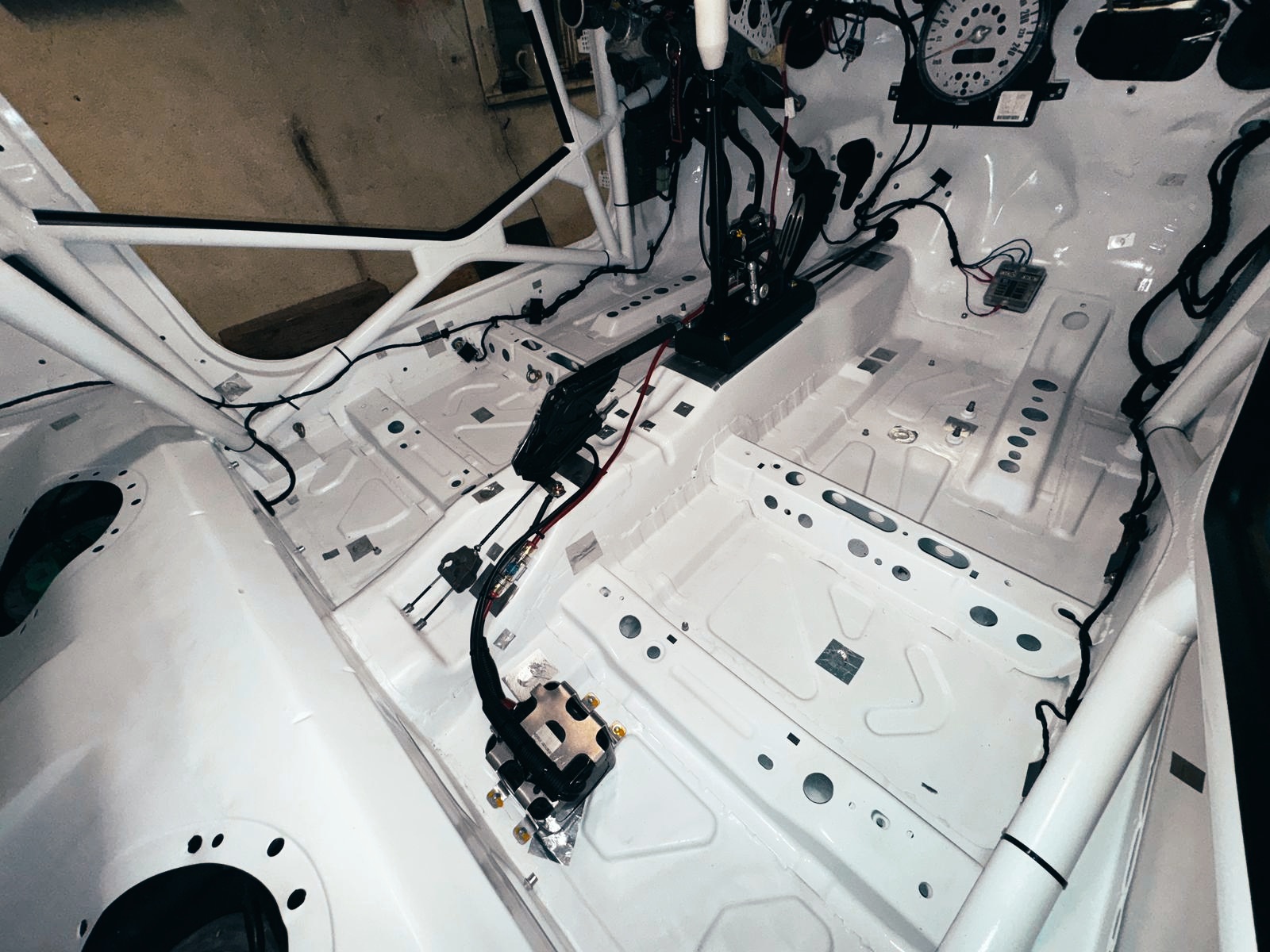
The wiring harness was a particular challenge. Although I was able to save around ten kilos of weight, absolutely nothing worked at first afterwards – CAN bus errors without end. Fortunately, my friend Seb helped out, as he still had a spare wiring harness. So everything from scratch again: remove wires, test, remove again. A week later, the engine and electronics finally ran again.
The moment of truth
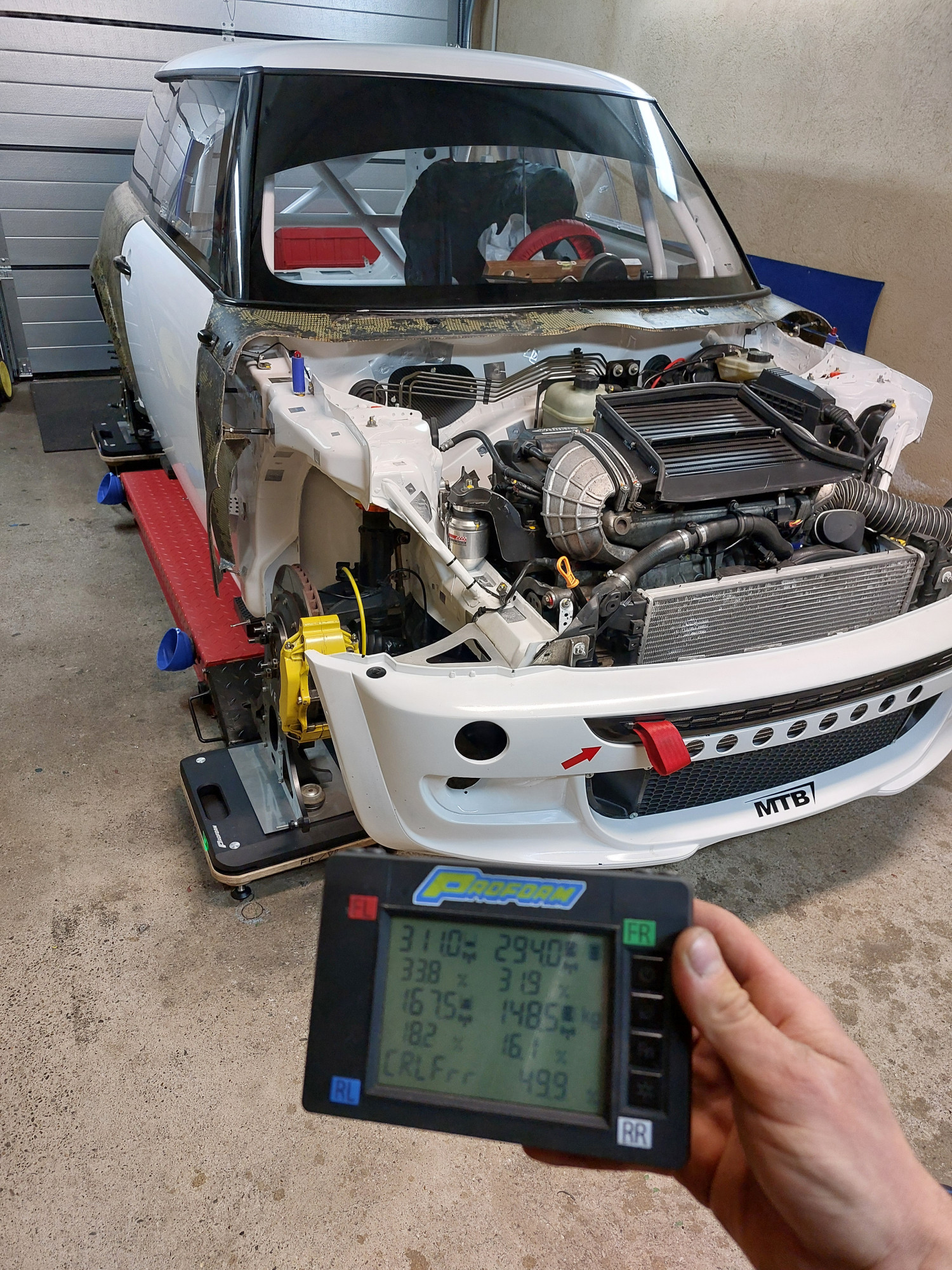
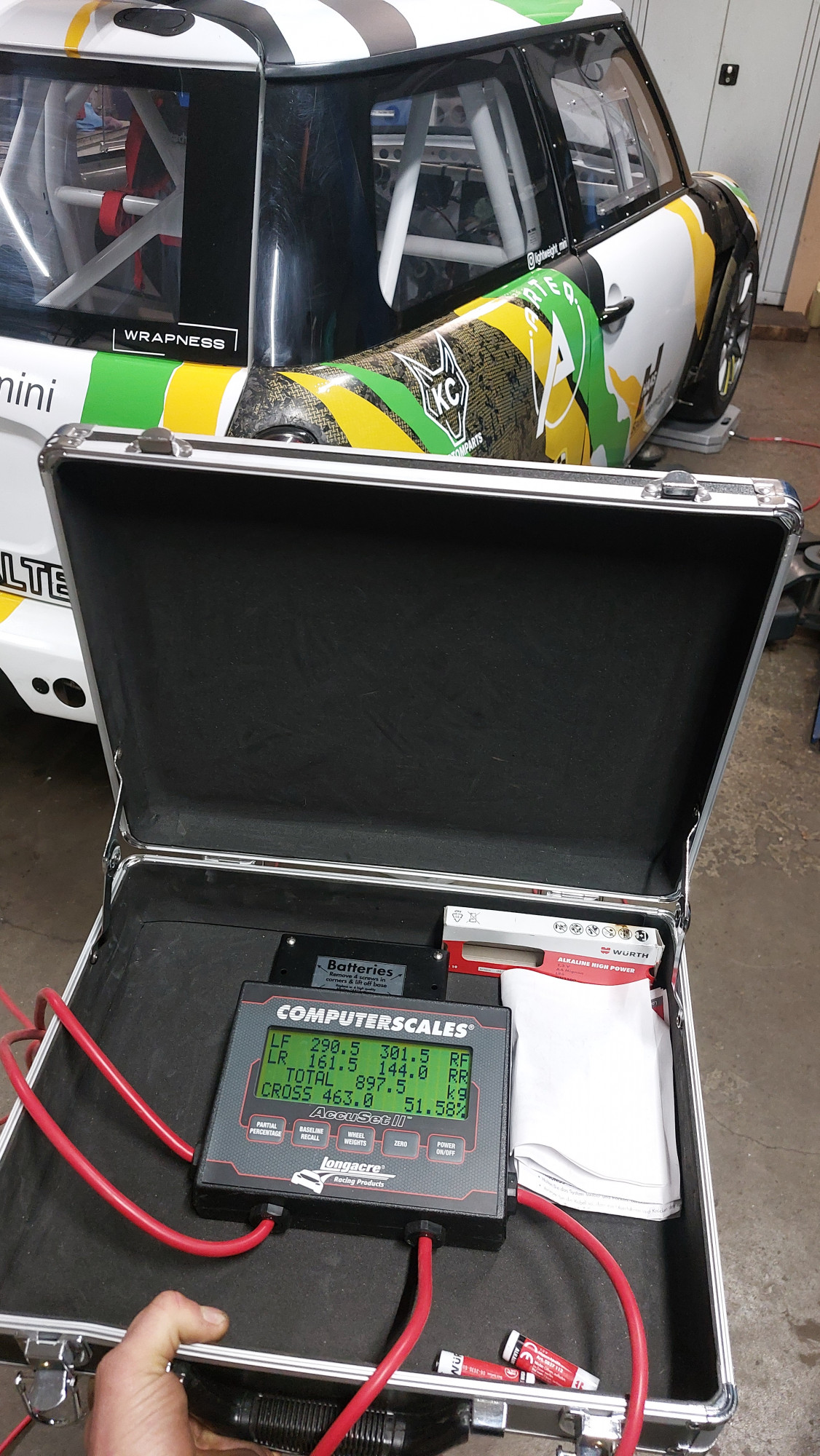
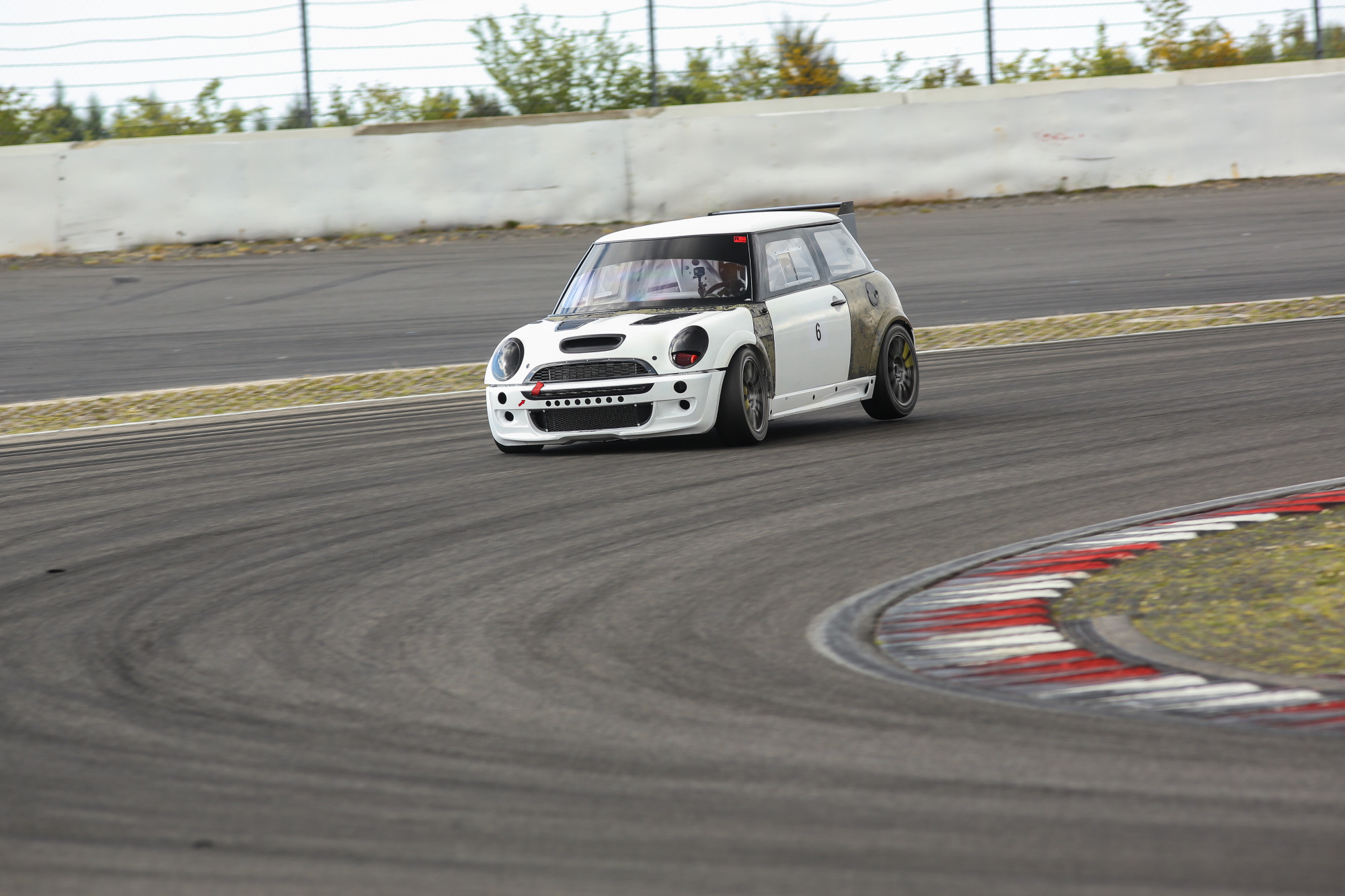
Then came the big moment: weighing. My goal was under 880 kilos dry. When I saw the display on the scales, I could hardly believe it: 863 kilos without fuel, 904 kilos with a full tank. This meant I had saved around 400 kilos in weight compared to the production model. The first drive was extremely emotional. The car felt as if it easily had 100 hp more than my old Mini. The turn-in – incredibly direct. The moment a car that you built entirely yourself works on the racetrack – indescribable.
Reality in motorsport
Of course, it didn't go without problems. In fact, you could say: not a single test day without a new list of defects. The biggest problem areas were the drive shafts and the electronics. The drive shafts were too short, boots were constantly bursting. Together with my friend Hauke Weber, we lengthened original shafts. Thanks to a special grease from my sponsor Bardahl Germany, the boots now hold up as well. Electronically, the car will be converted to an ECU Master control unit in the winter – an important step for the future.
The current status
Over the last season, I was able to reduce the weight further and further; most recently, the vehicle weighed 897 kg with a full tank, which was mainly achievable thanks to a titanium exhaust system from KC Customparts. The focus is currently still on ironing out bugs and collecting kilometers. After all, I still have a few R53 records in my sights and I am forging plans to actually get the car under 800 kg dry.
First results
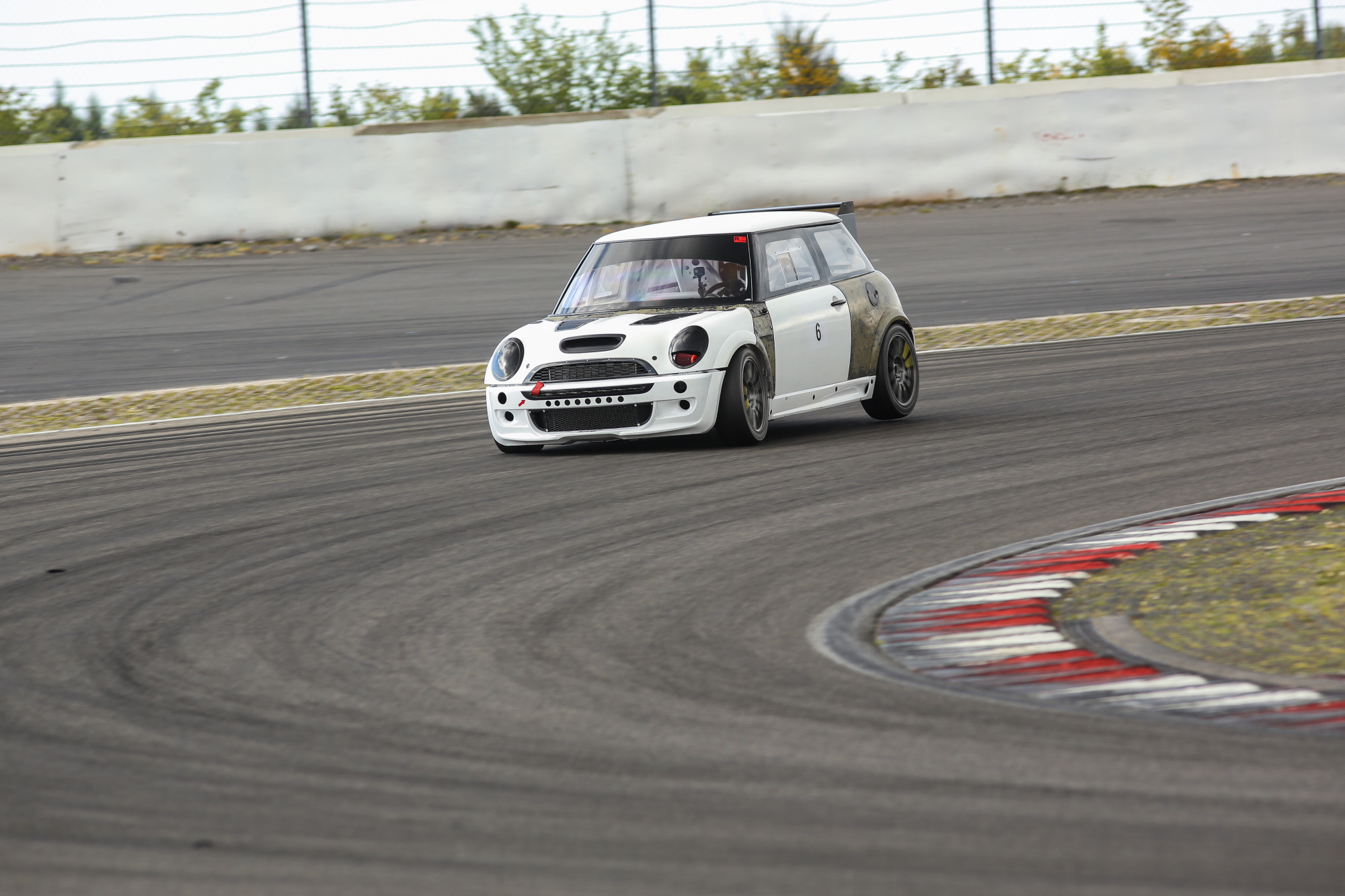
A highlight was definitely also the "Lass mal fahren" video with JP Performance. In addition, I have already been able to improve my best time in Hockenheim: 2:04.22 minutes at 36 degrees and with a passenger. This shows how much potential is still left in the car.
Thank you
In closing, I would like to thank everyone who supported me on this journey. Without you, this project would not have been possible: my family and friends, Arteq, Rensgear53, KC Customparts, Gutachter Kiwi, Bardahl Deutschland, Scheller Dellentechnik, Haas Bauunternehmen, Mini Brothers, Pure Motorsports Equipment, and HZS Bau.