DE
DE  IT
IT  FR
FR 


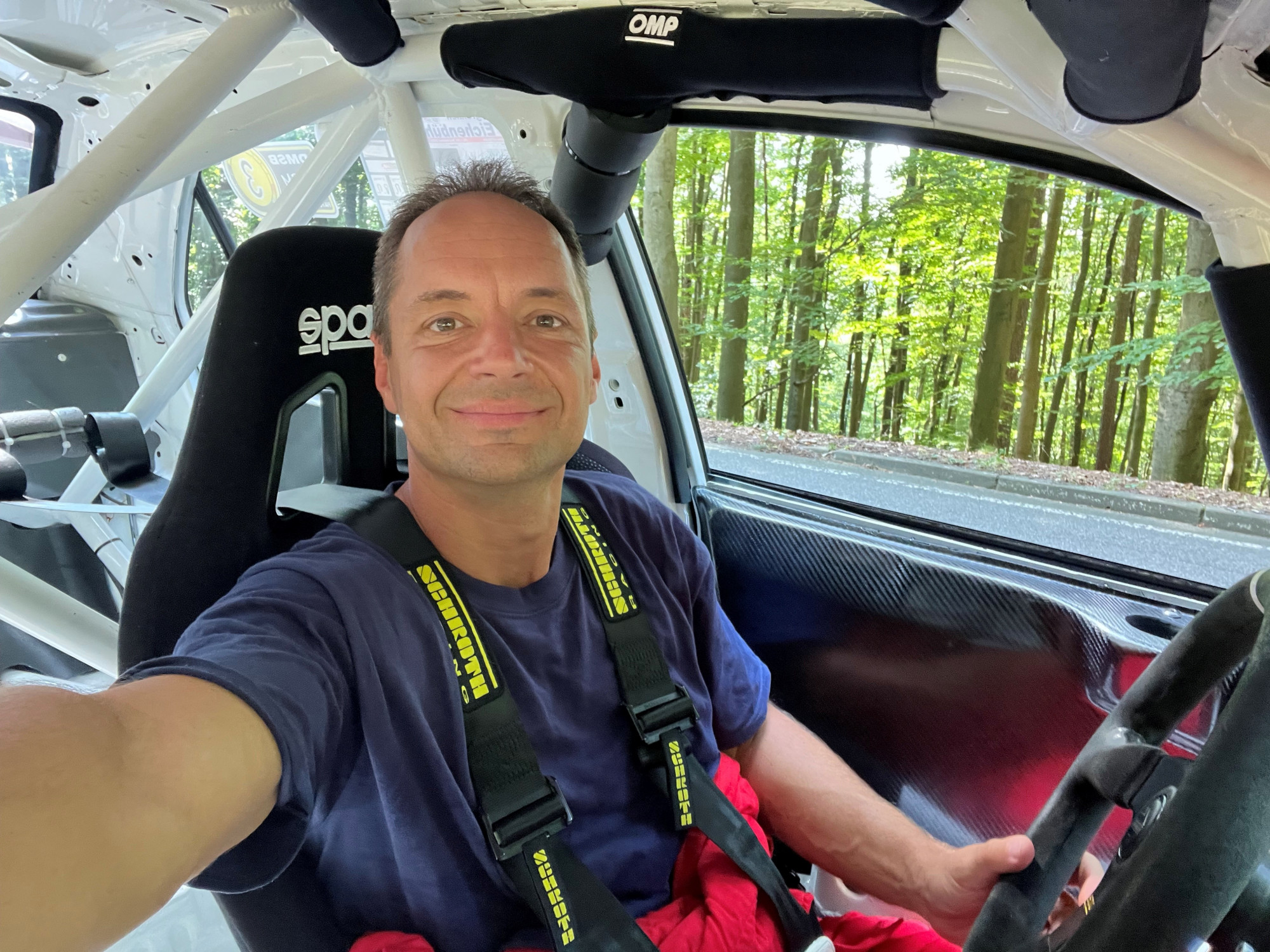
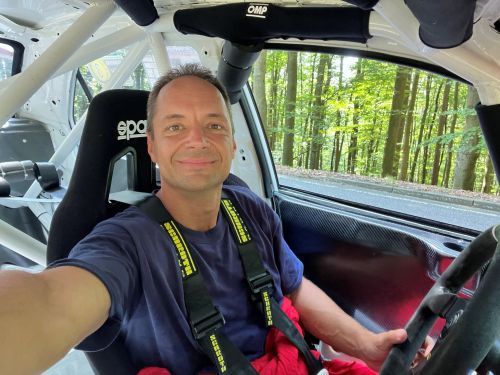
When I look back on my motorsport career, I don't just see vehicles, tracks, and tools – I see a continuous evolution. I have been active in motorsport since 2010, and during this time, I have been able to learn, experience, and also discard a great deal. Today, I would describe myself as an experienced driver, but all of my routine has so far been developed at the wheel of racing cars that largely had their origins in production models.
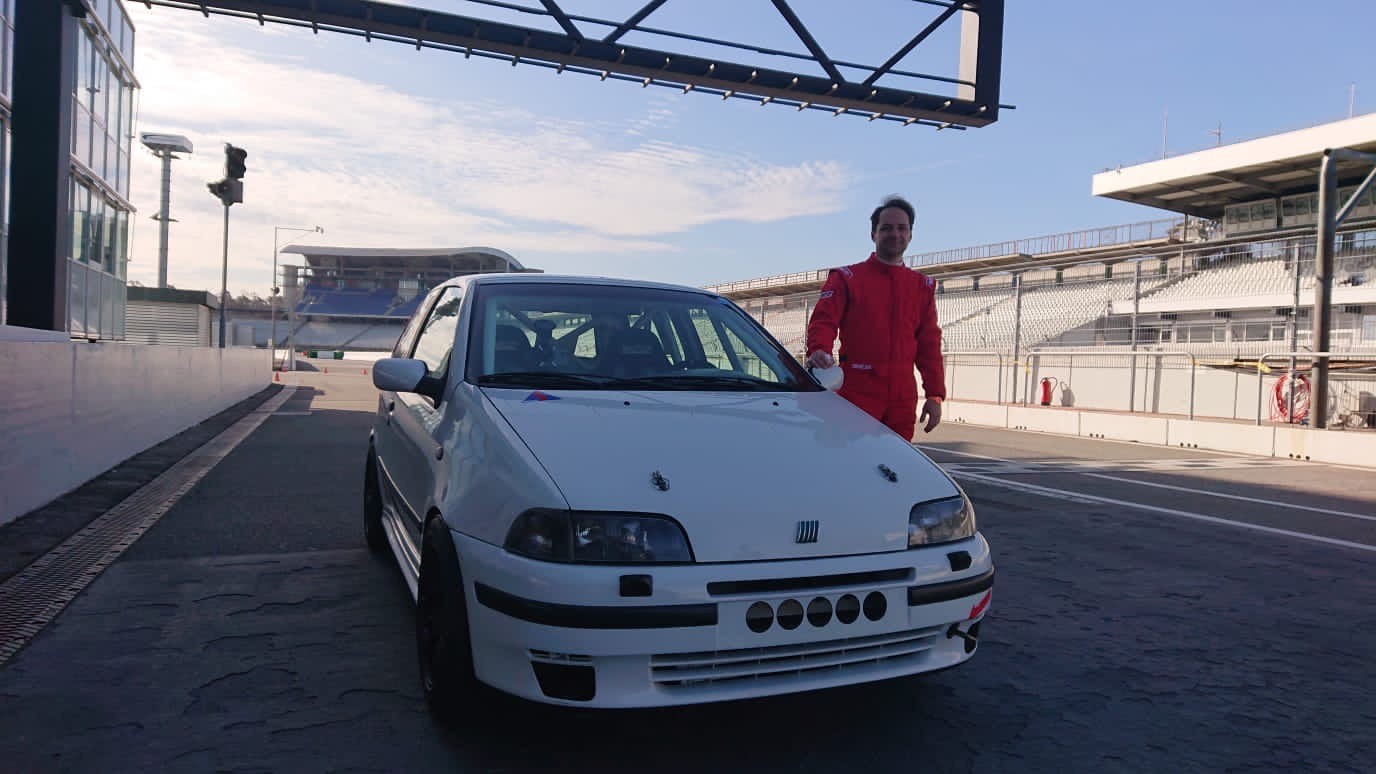
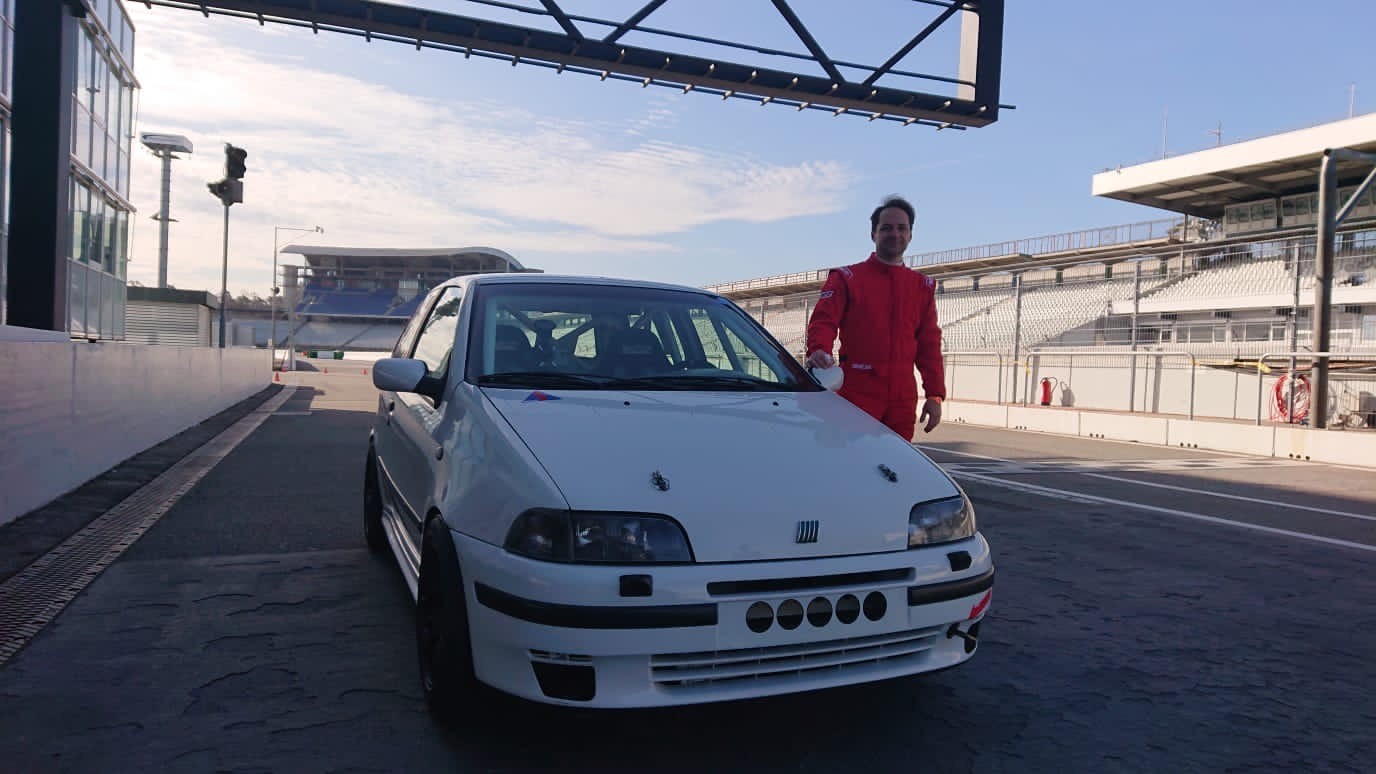
My first car was – and still is to this day – a Fiat Punto. A vehicle that you hardly notice in everyday life became a kind of rolling laboratory for me. Many evenings in the garage later, it was no longer an ordinary Punto standing there, but a small, uncompromising track tool: a welded-in roll cage, competition suspension, a 6-piston brake system, and a 1.6-liter 8V turbo engine that was surprisingly aggressive. With this setup, I was able to clock lap times of 2:05 at the Hockenheimring – just a number to many, but a milestone for me at the time.
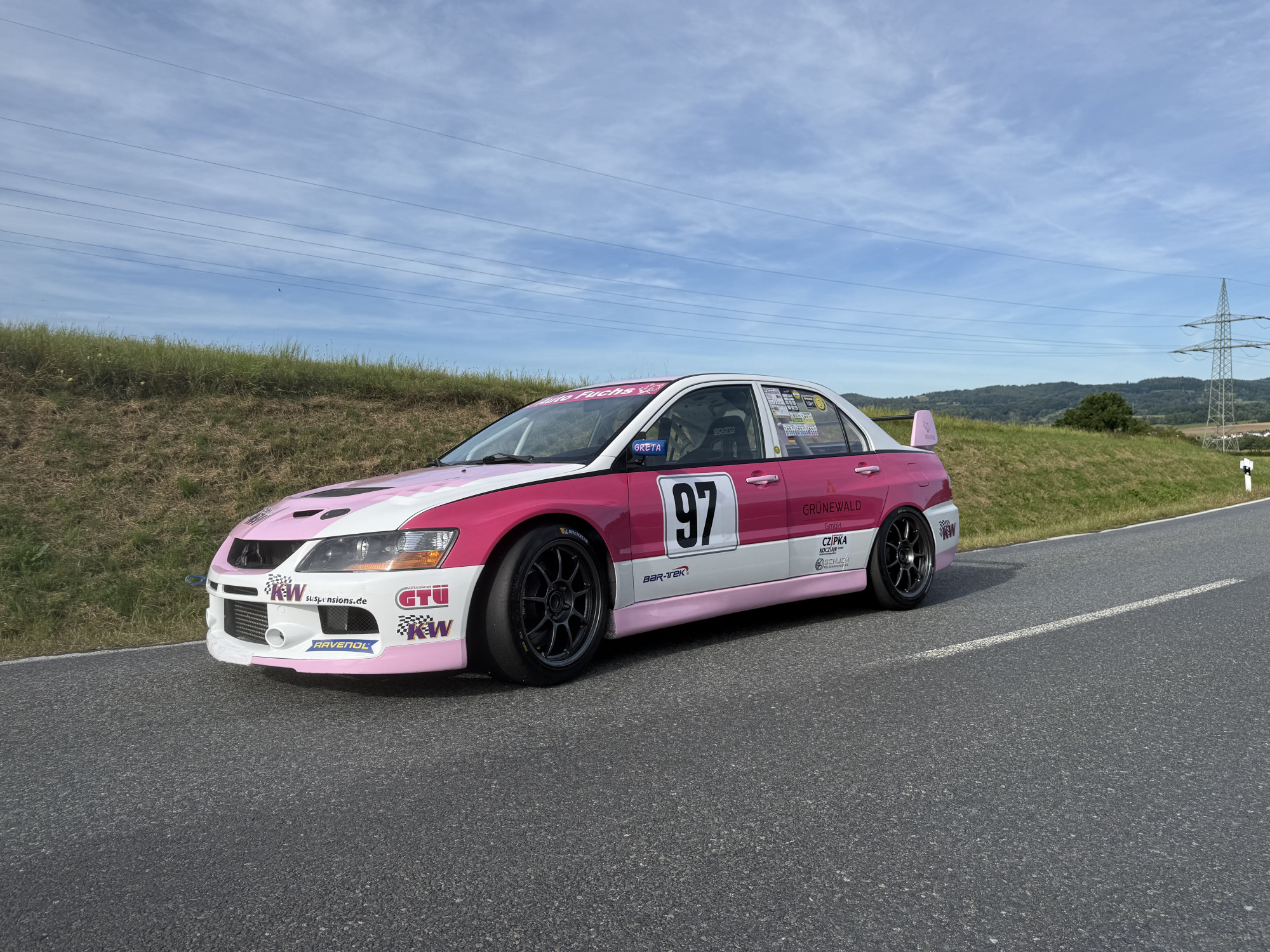
But motorsport rarely stops at just one project. So later, a Mitsubishi Lancer EVO 9 factory car was added – a vehicle that is considered absolutely capable of winning in the hillclimb championship class F11. With a top speed of around 200 km/h, its gearing was actually too short for the Parabolica in Hockenheim. But that's just how it is in motorsport: you drive what you have. And with 270 slicks all around, the EVO had a cornering performance that felt like a whole new world to me back then.
What I didn't know at that point: the truly new world was yet to come.
A switch with consequences: the Formula Renault
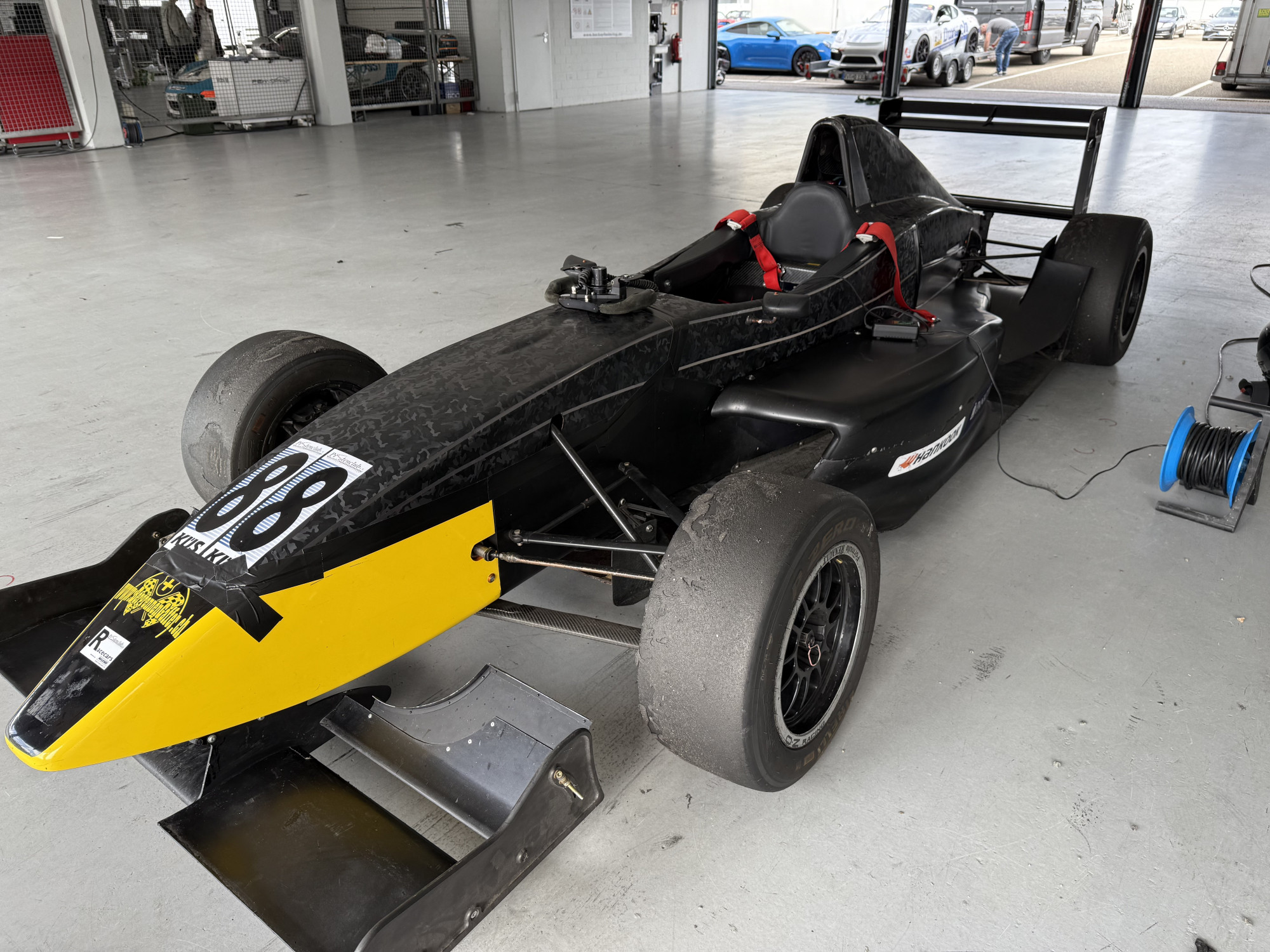
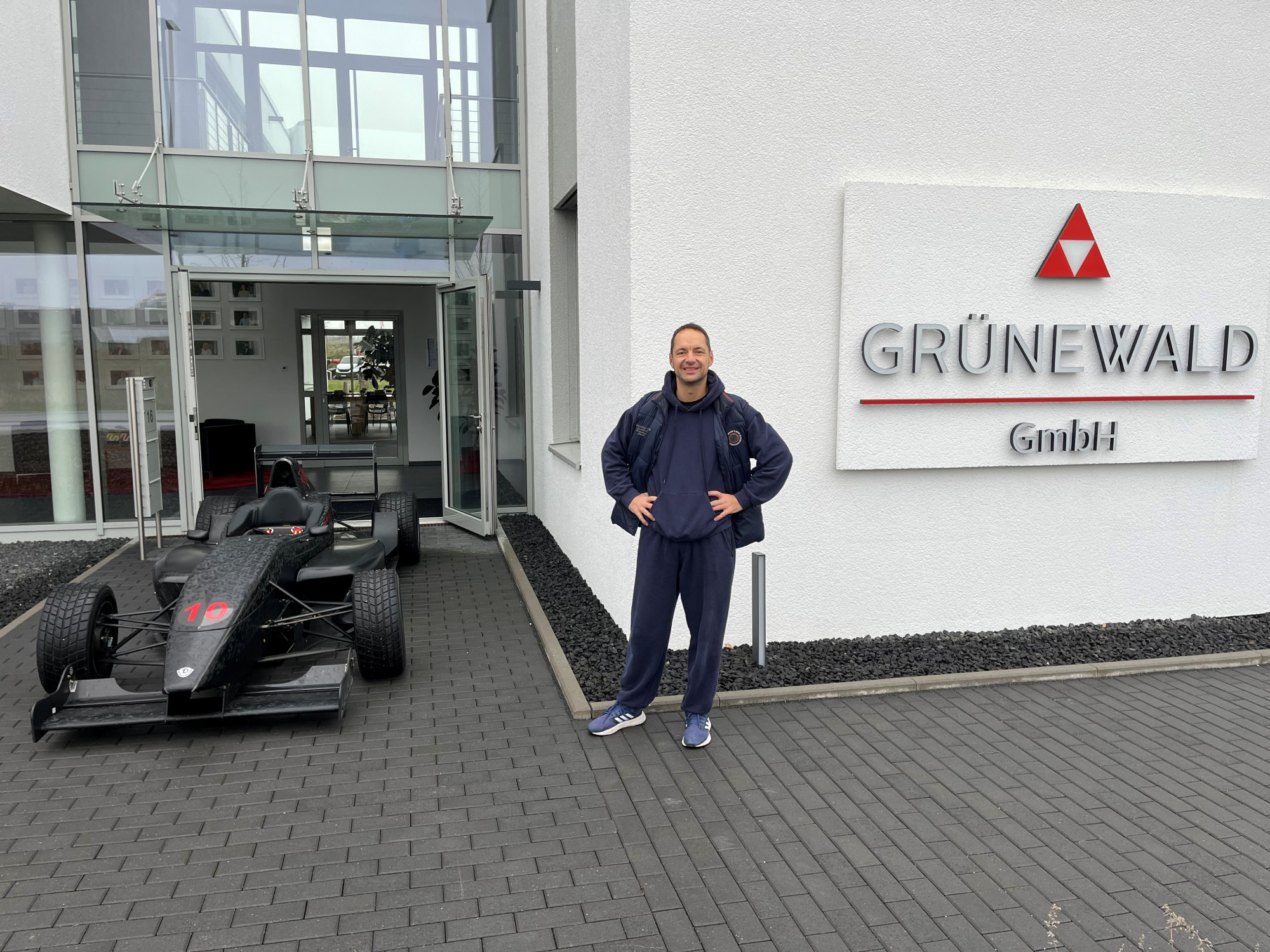
In 2024, I made a decision that would permanently change my understanding of motorsport: I bought a Formula Renault. A club mate warned me with a laugh: "Once you've driven something like that, you'll never switch back." I dismissed his comment as typical paddock talk – but he was to be proven right.
All the vehicles I had driven up to that point weighed between 900 and 1300 kilograms and produced between 270 and 500 hp. Impressive, without a doubt. But they had one thing in common: they were heavier and aerodynamically relatively simple. A Formula Renault is the exact opposite. Suddenly, it was no longer just about engine power or mechanical grip – it was about aerodynamics, airflow, and precision. It was as if I had to learn how to drive all over again.
The hurdle before the actual driving
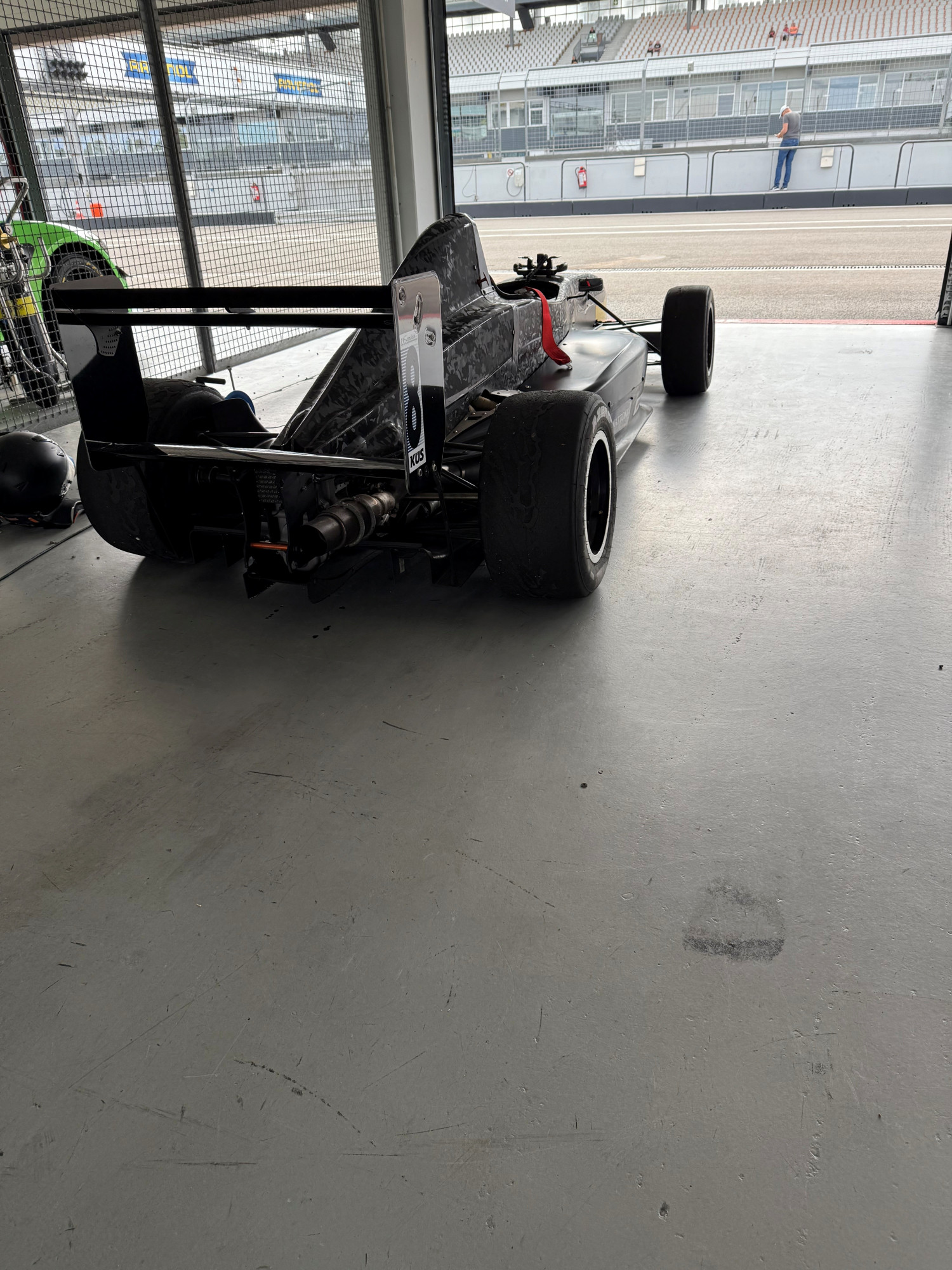
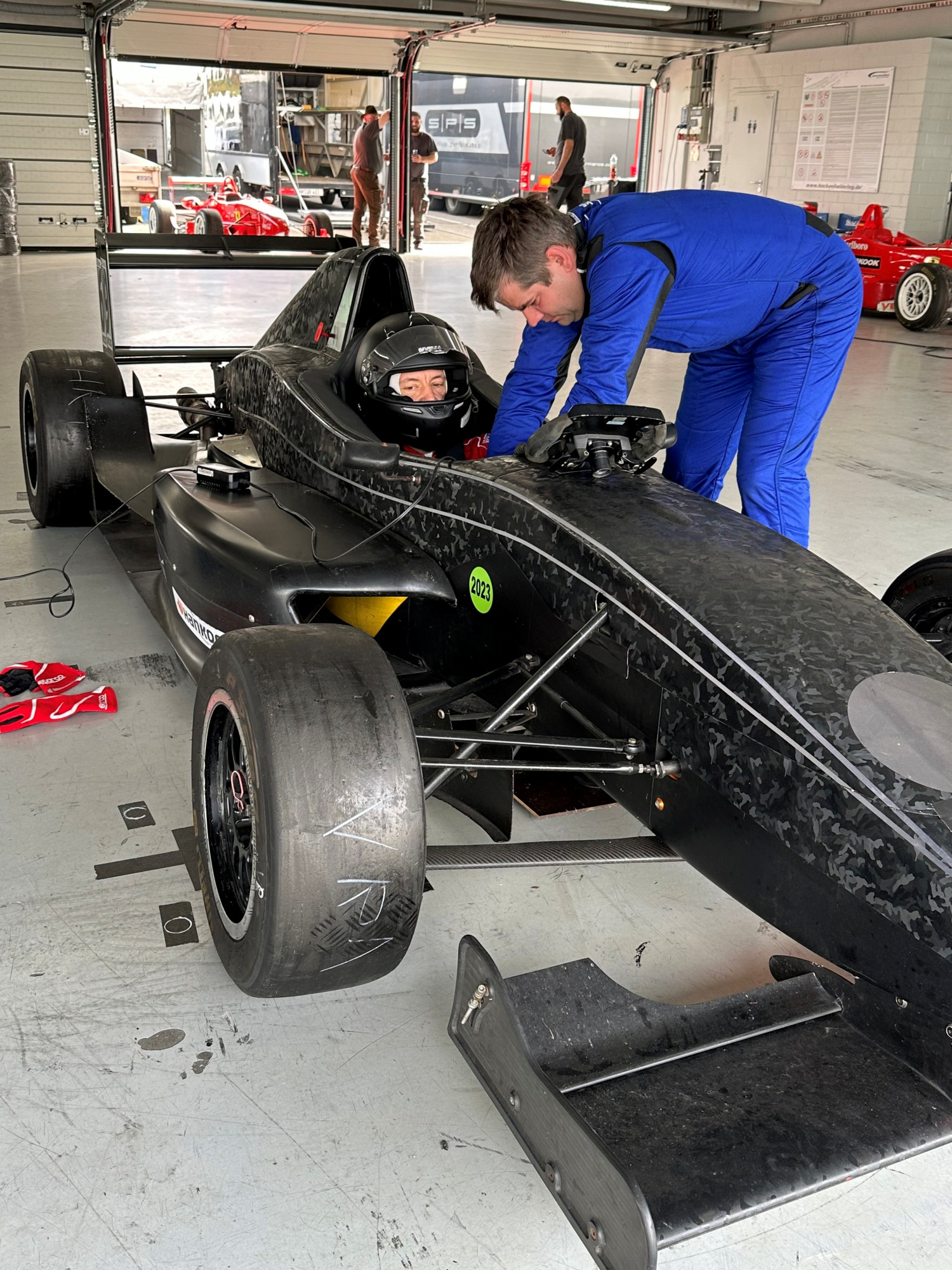
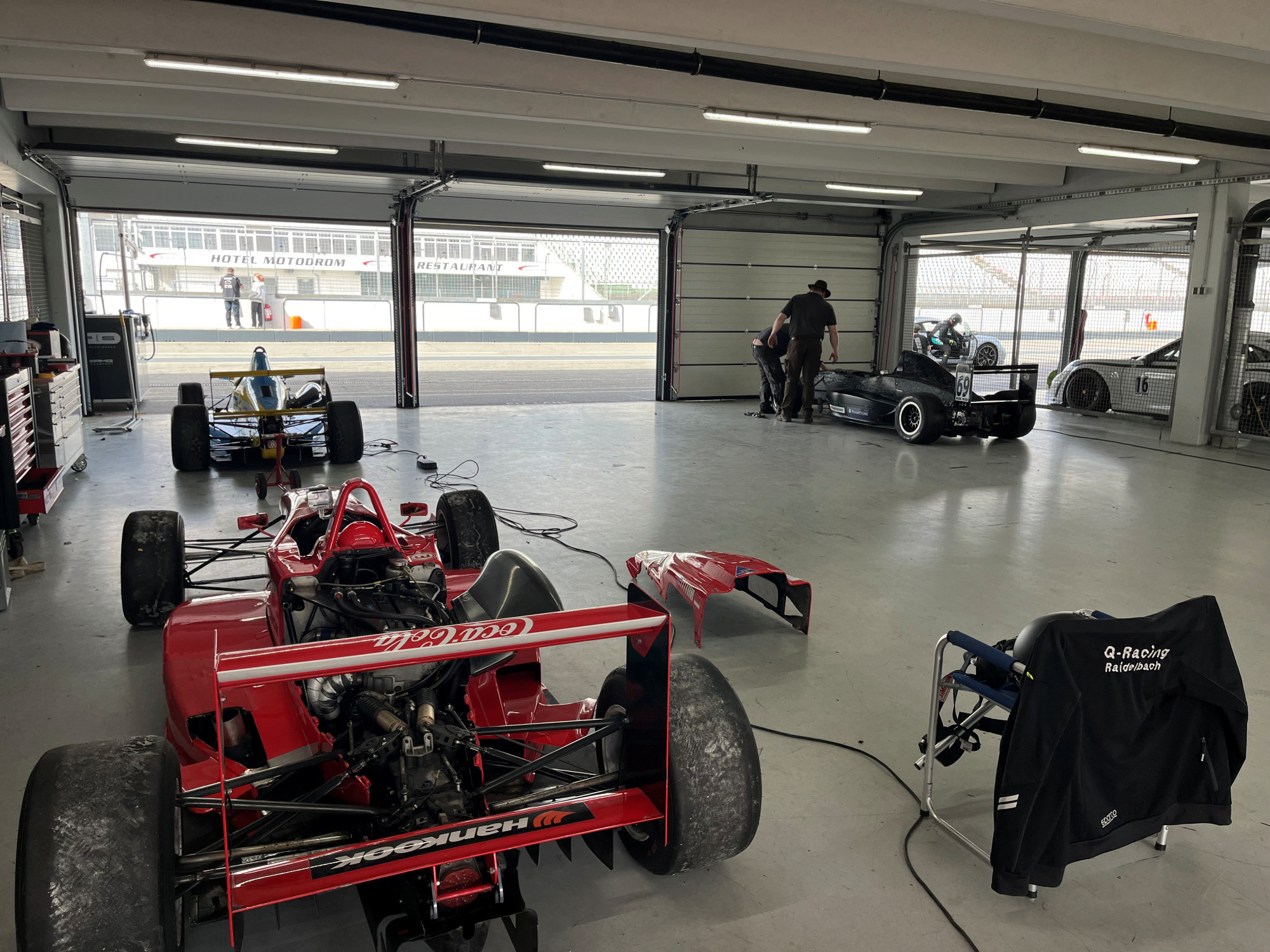
A racing car like a Formula Renault is not a car that you simply start and drive. As is so often the case in racing, it wasn't major defects that delayed its deployment, but rather small but crucial details: a sensor here, a wire there, settings in the shifting program, a few adjustments to the suspension. Nothing dramatic – but enough to keep pushing the big moment back by a few weeks each time. What was certain, however, was that the first real rollout would take place with the Pistenclub at Hockenheim. Where else? The home track, the familiar surroundings, and an environment that has reliably provided perfect conditions for years.
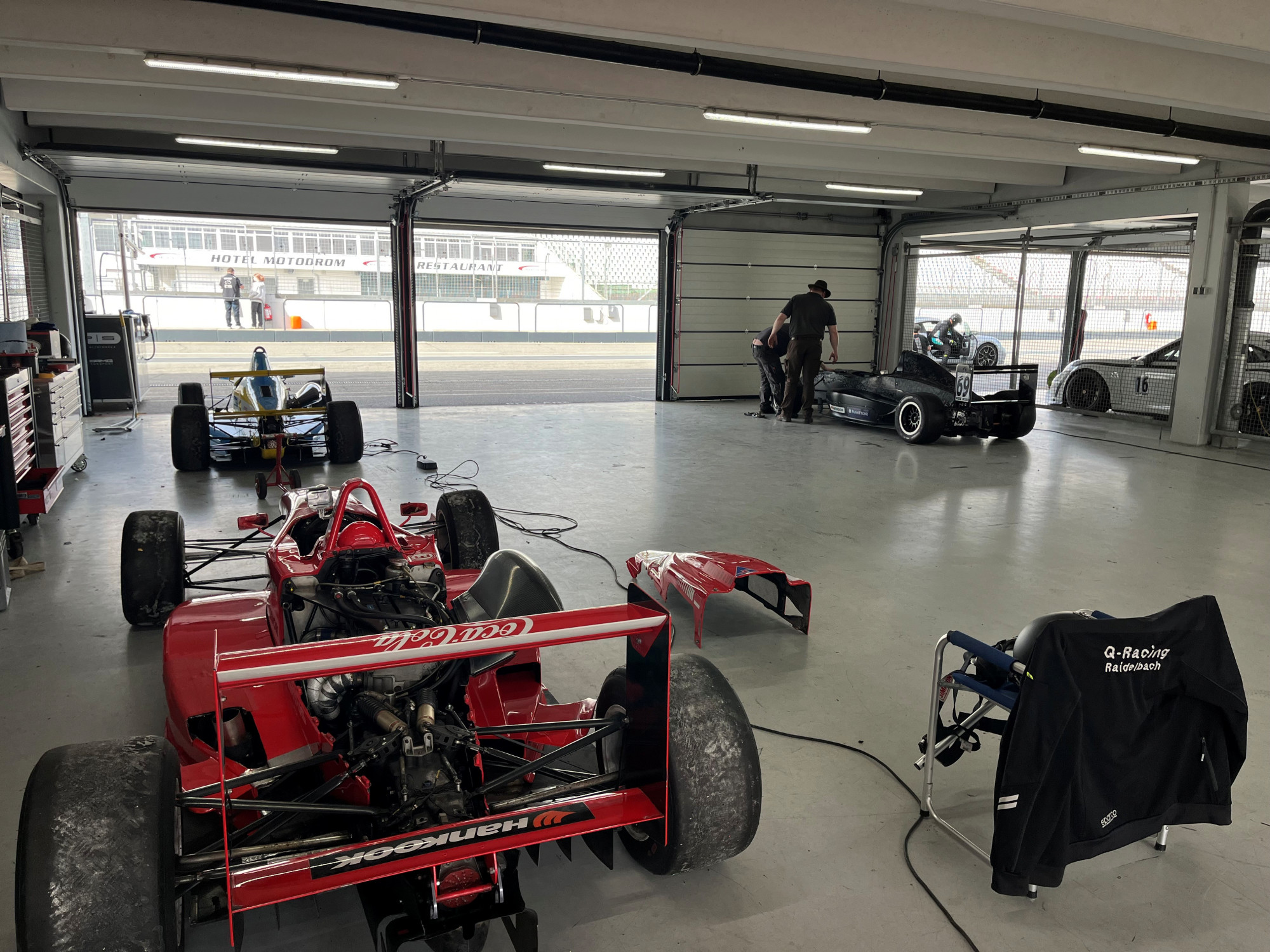
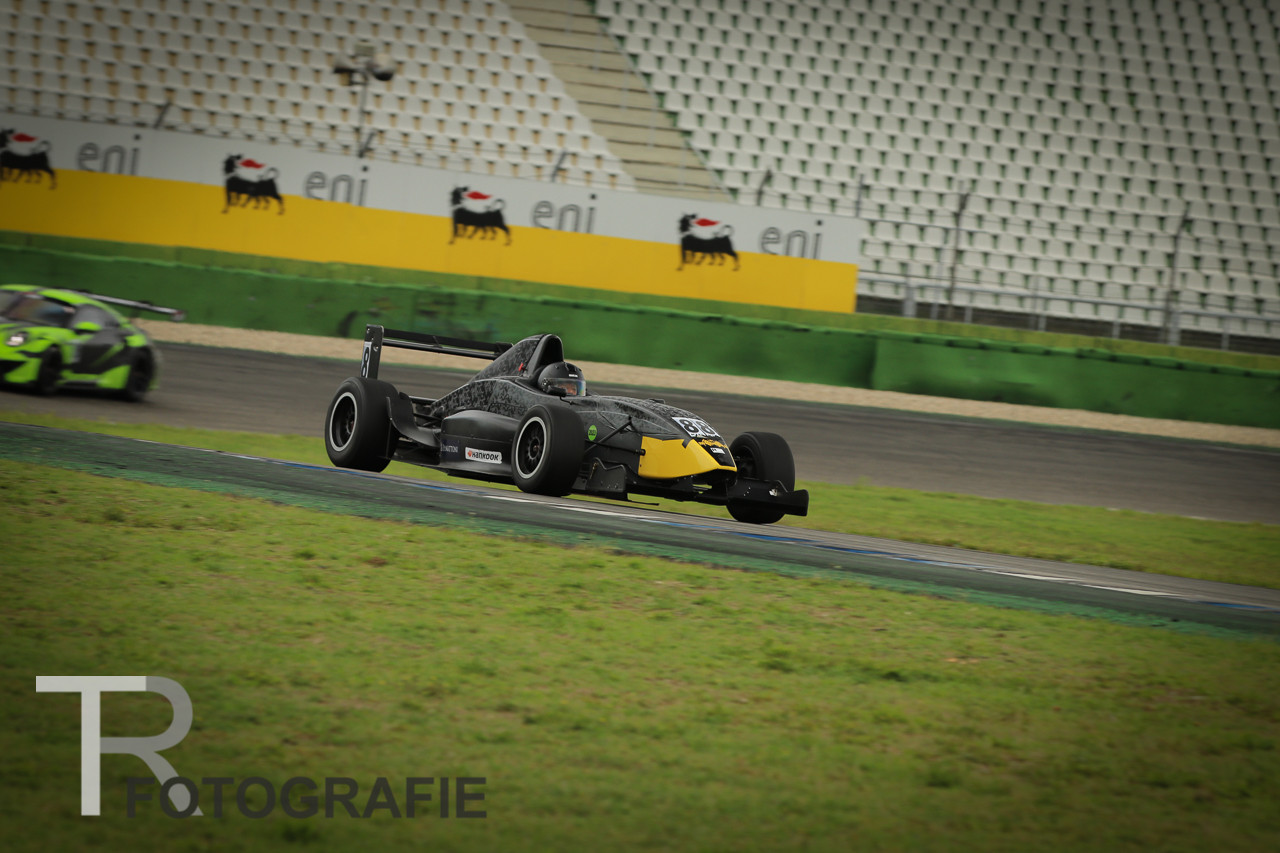
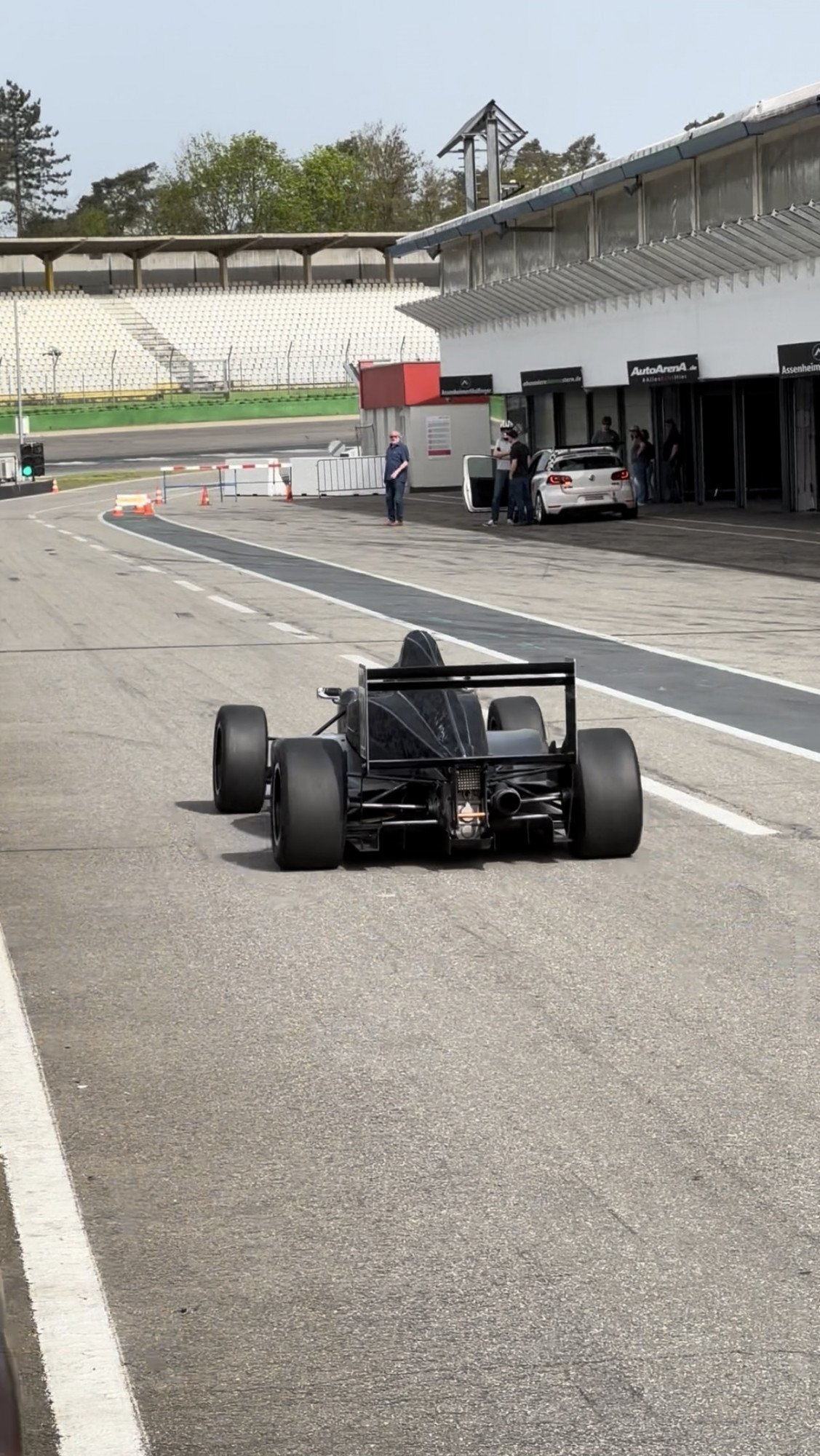
On August 3, 2025, the time had finally come. The conditions? Well – rather typical Eifel weather. The track was a bit too damp for slicks, but too dry for rain tires. On top of that, the slicks themselves already had a few events under their belt, and you could clearly see the effects of the past season on the compound. But in motorsport, it's not necessarily the most cautious who wins – so slicks on and out we went. Fortunately, the weather cleared up further as the day went on. When the sun finally broke through and the racing line dried up, I knew: now it counts.
The first time full throttle – a feeling between respect and euphoria
I can write a lot about numbers, power, or telemetry data – but what I felt when driving the Formula Renault for the first time can best be described with one word: madness. And yet, this madness is not found where you would expect it as a sports driver. The 210 hp are impressive – but they are not the core of the experience. The core lies in the extremely late braking, the incredible turn-in precision, and cornering speeds that are far beyond any previous reference points.
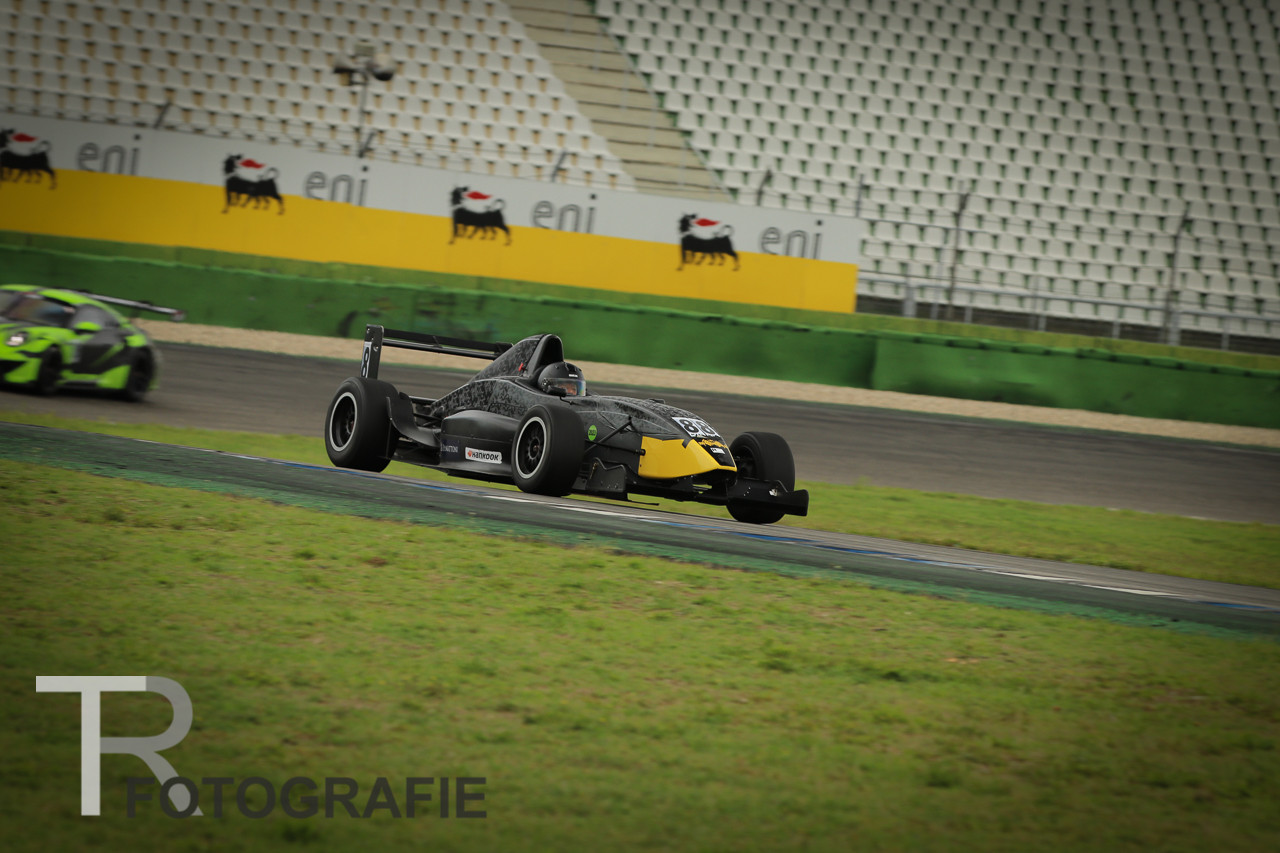
A vehicle that weighs only 490 kilograms follows physical rules that you won't find in any touring car. I noticed immediately: here it is not the engine that determines the lap – it is confidence. Under optimal conditions, a Formula Renault allows for a 1:39 lap in Hockenheim – a value that requires an entry speed of over 170 km/h into the Mobil 1 corner. But on this August 3, 2025, these references were to remain unused. The old tires no longer offered the necessary confidence, and an error in the shifting program that only allowed a maximum engine speed of 5500 rpm further held back the potential. Nevertheless, I gathered lap after lap, absorbed impressions, adapted, and learned more than in any track day over the past few years.
An outlook: The adventure has only just begun
So, what remains after the first outing? Above all, a new kind of motivation. The Formula Renault demands not only driving skill, but also respect, precision, and trust in the technology. The upcoming events are already on the calendar, and with fresh tires and a corrected shifting program, the vehicle's potential will surely show a completely different face. I am excited to see what time will eventually appear on the display – but I am even more excited to see what driving will feel like when I can truly push the car to its limit. Perhaps my club mate was right after all: "Once you've driven something like that, you'll never switch back." For me, at least, this sentence resonates louder with every kilometer.
Thanks to the Pistenclub
In conclusion, there is only one thing left to say: Thank you to the Pistenclub – for the usual professional organization, for smooth procedures, and for an environment in which drivers of all performance levels can develop further. There is probably no better place for the first real step into a new world of motorsport.