DE
DE  IT
IT  FR
FR 


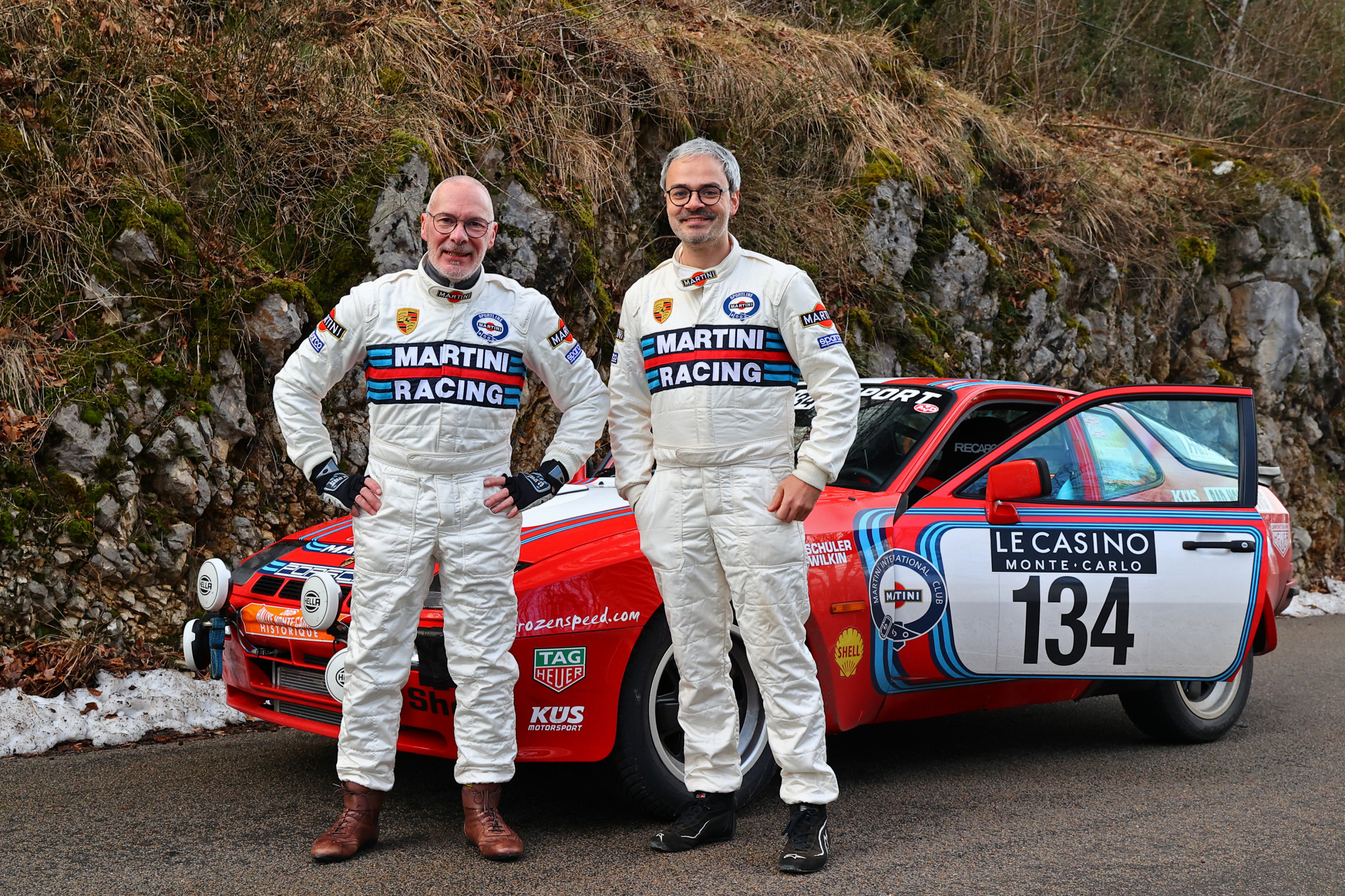
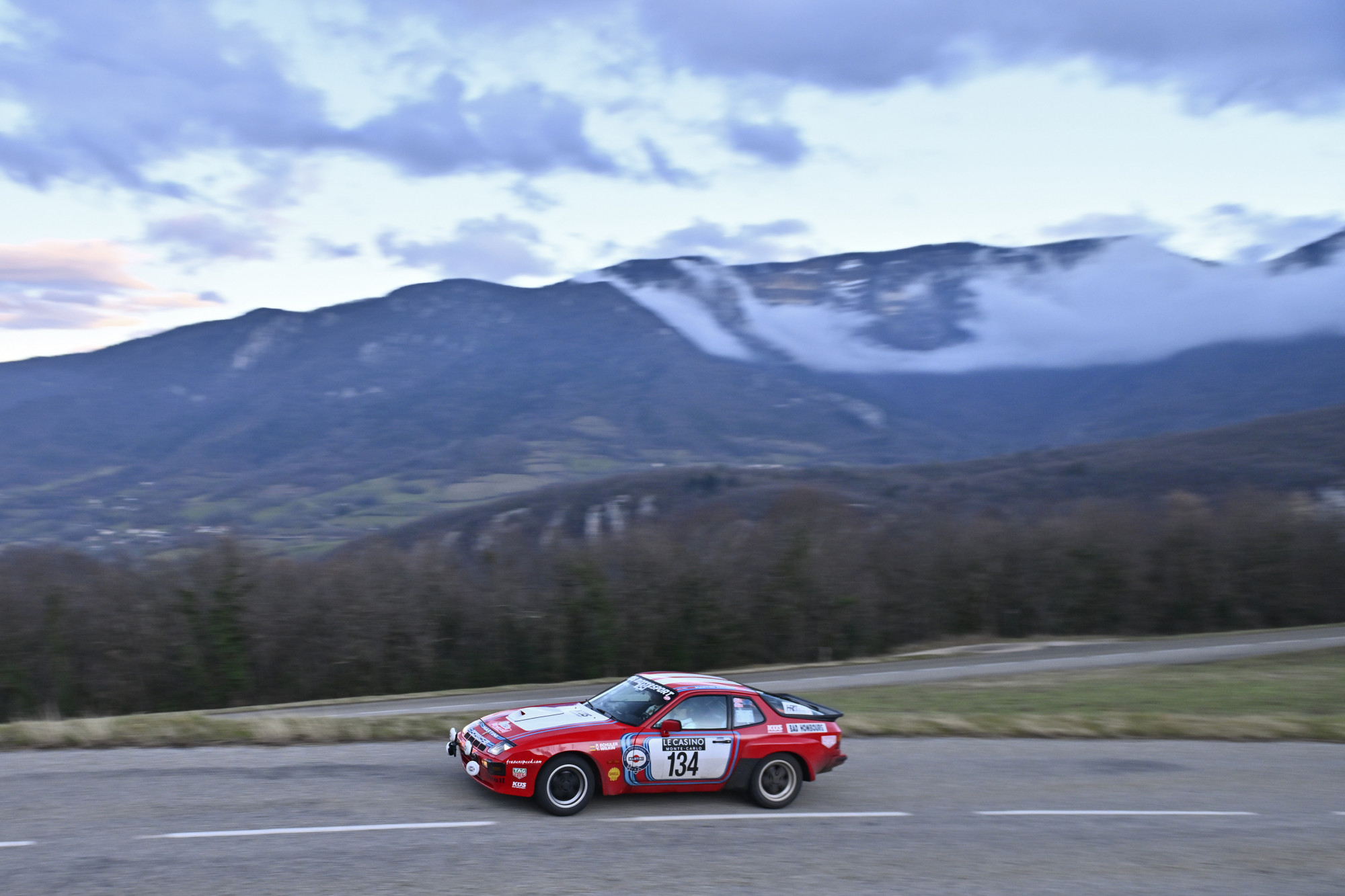
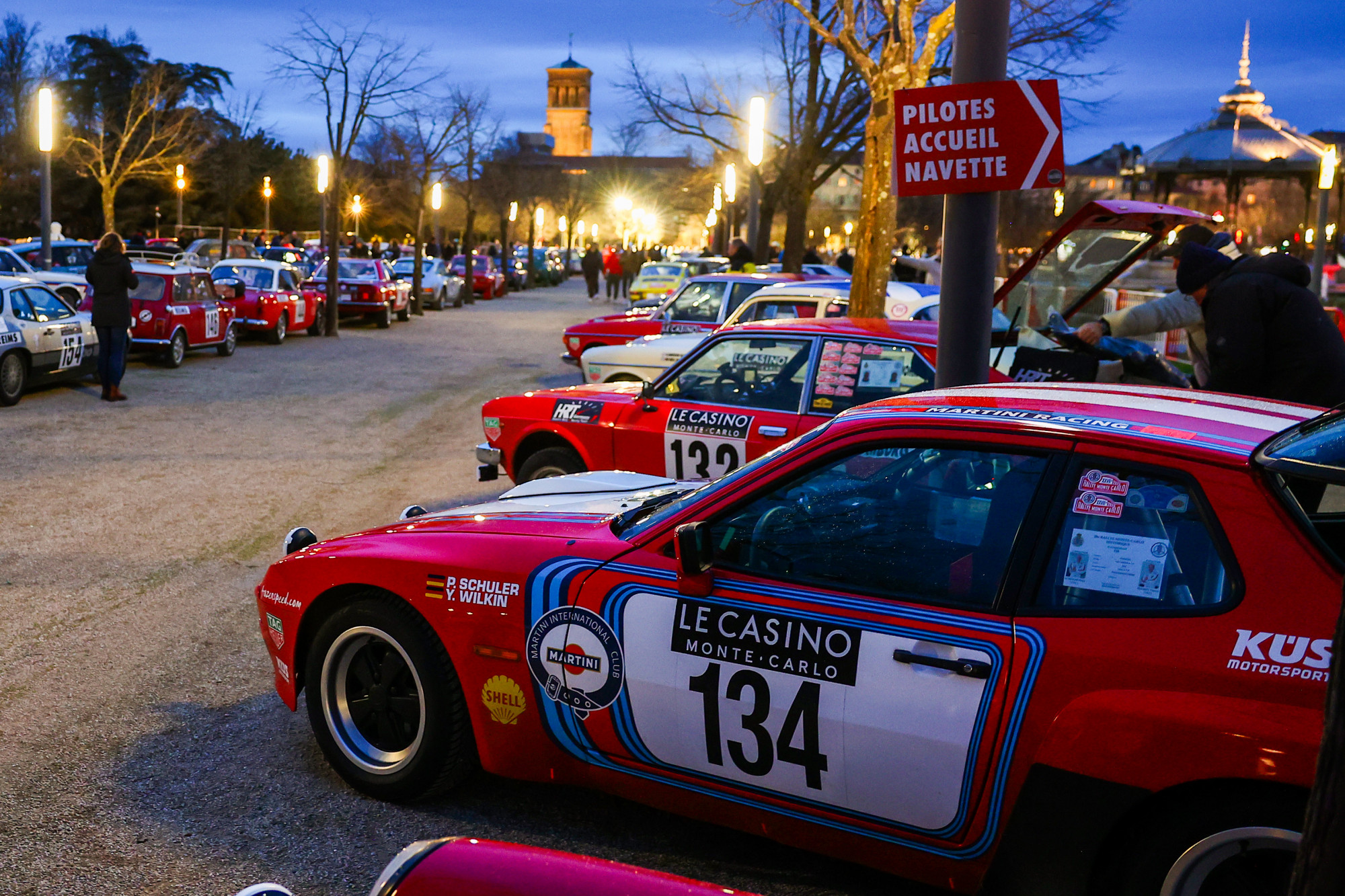
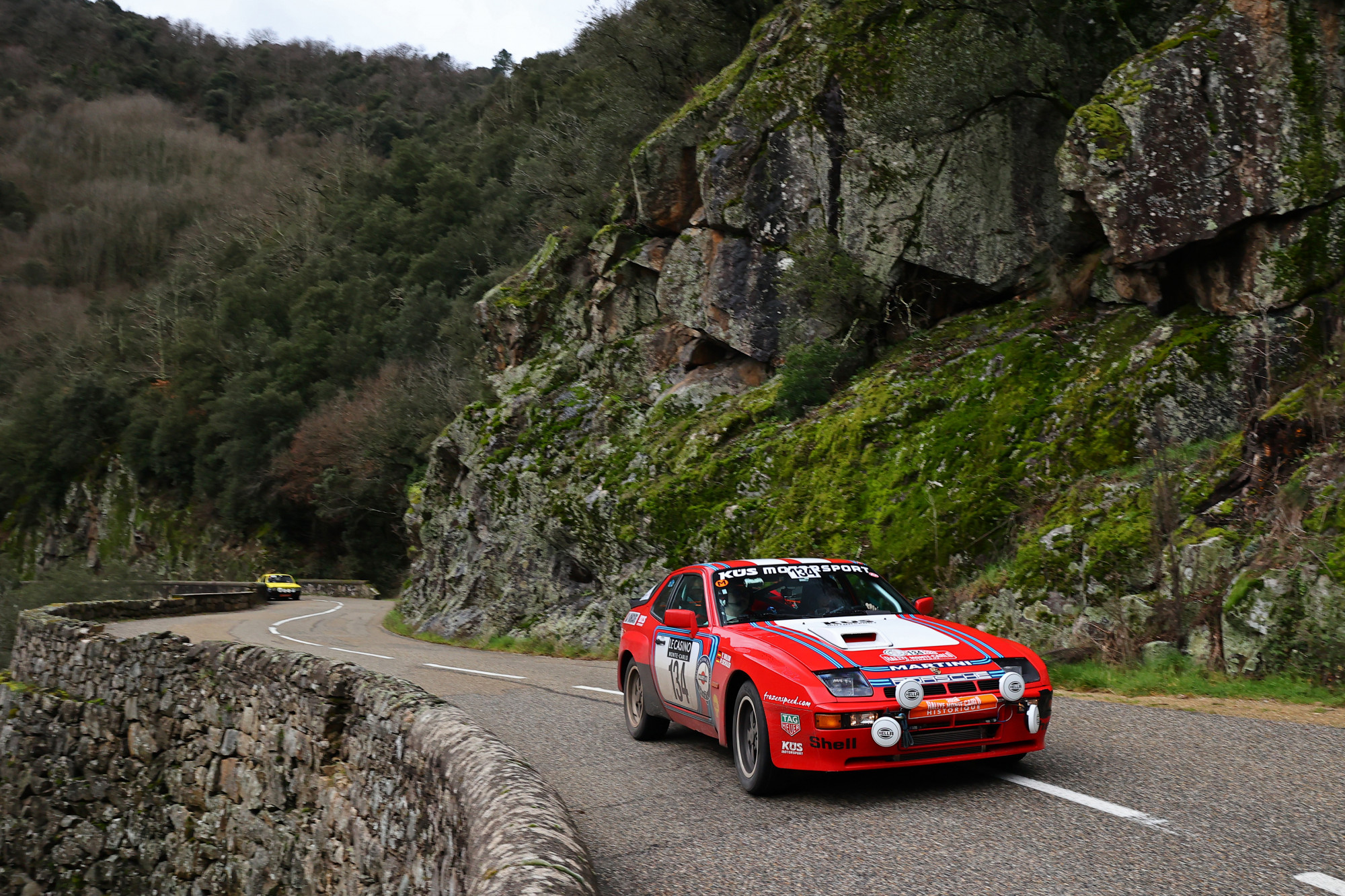
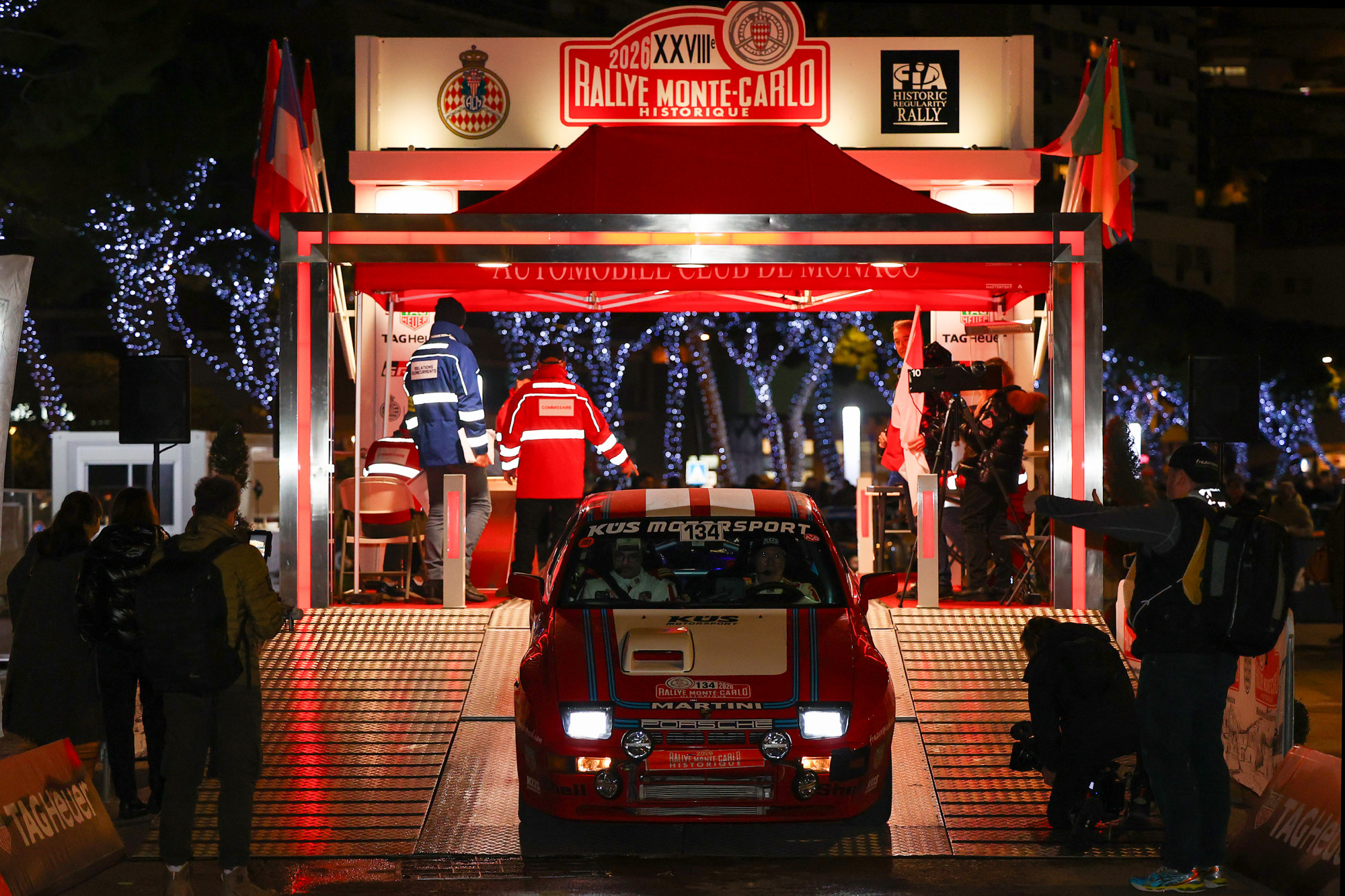
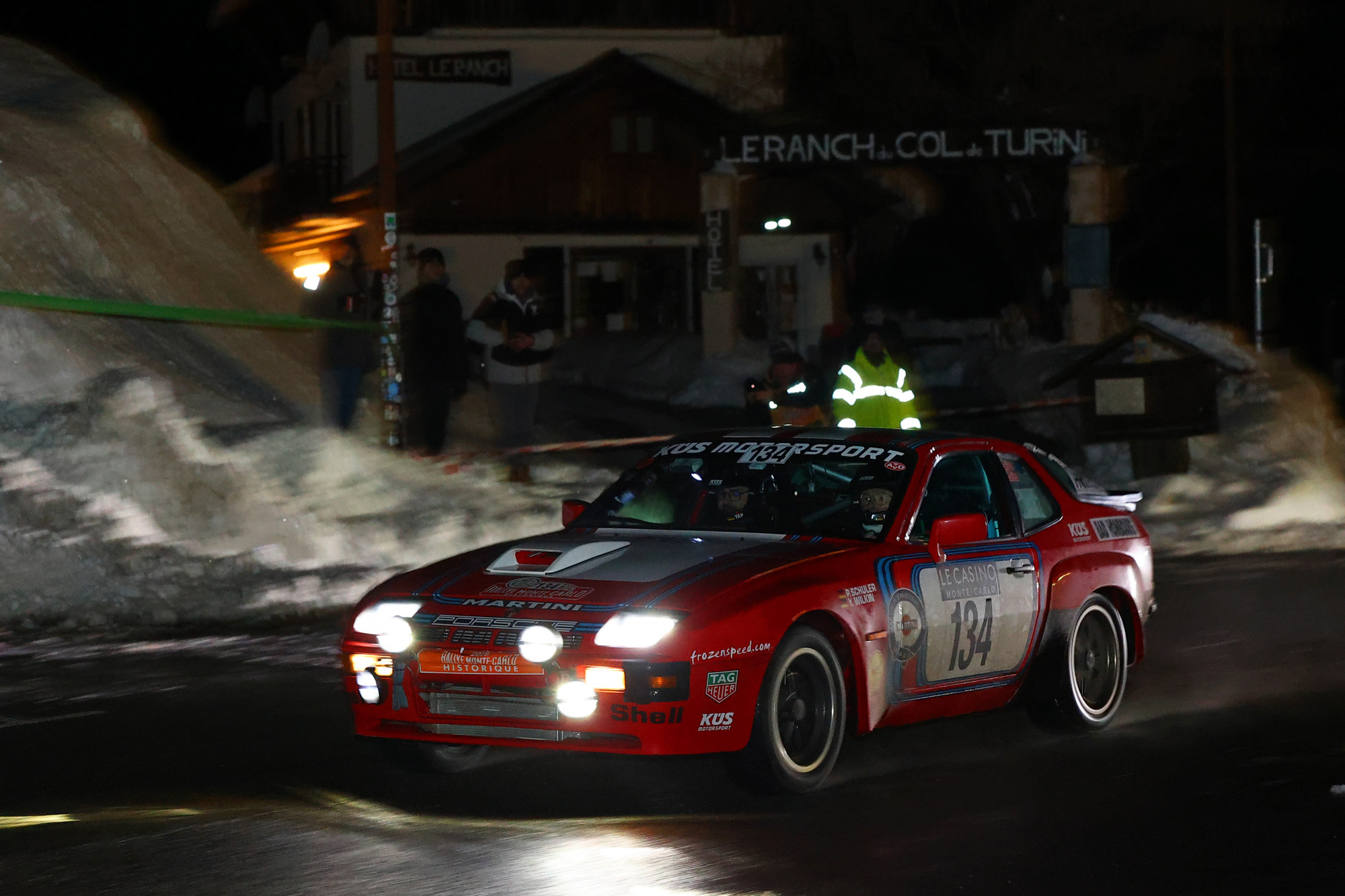
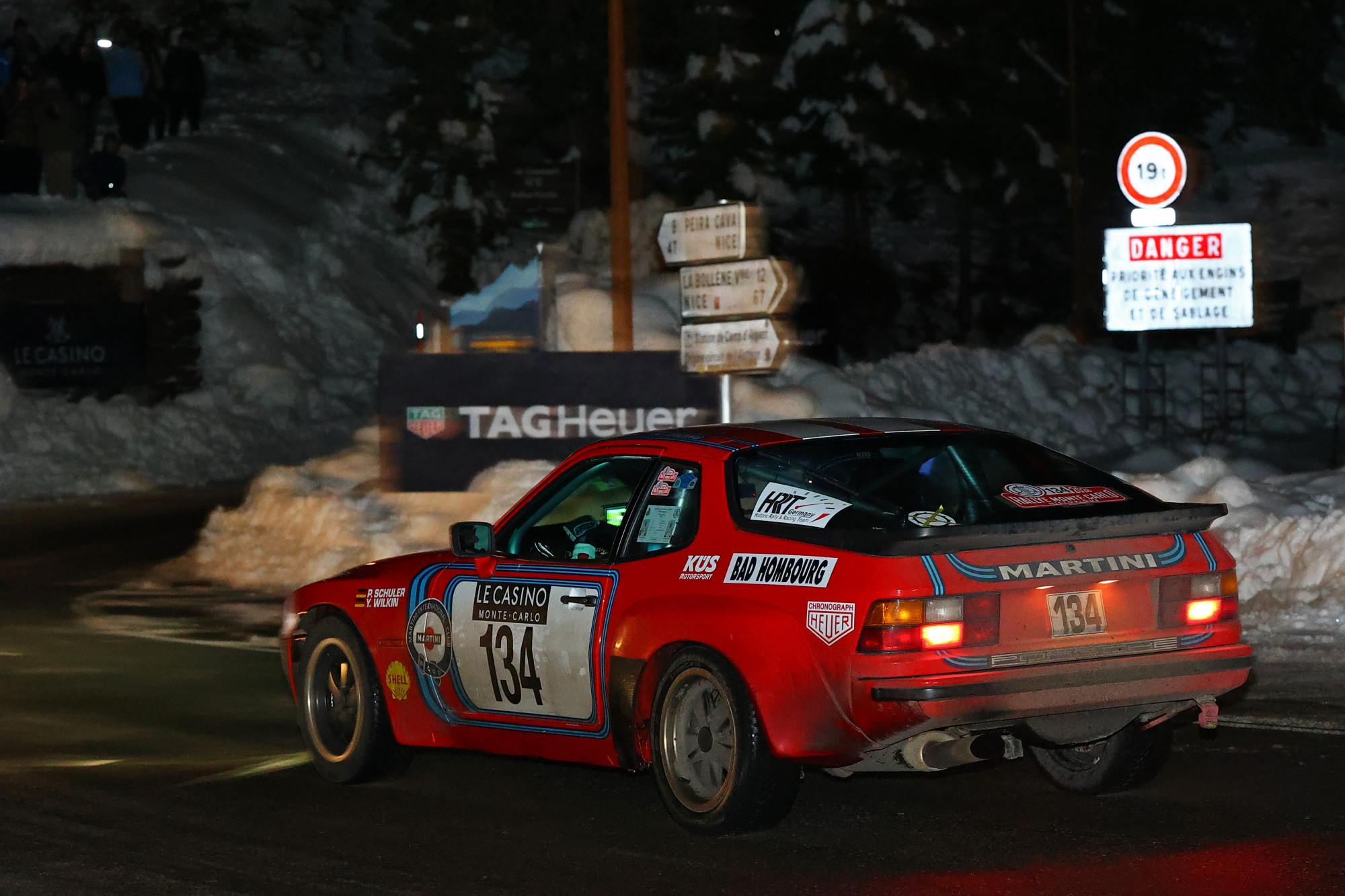
For the second time, KÜS Managing Director Peter Schuler and co-driver Yannic Wilkin took to the start at the Rallye Monte-Carlo Historique. Following their debut last year, they competed again in 2026 in a 1981 Porsche Carrera GT for HRRT Team Germany. This traditional event is one of Europe's most prestigious historic motorsport events and has been held annually since 1998. Spanning around one week, it places the highest demands on both man and machine in terms of precision, endurance, and reliability.

Concentration run with technical challenges
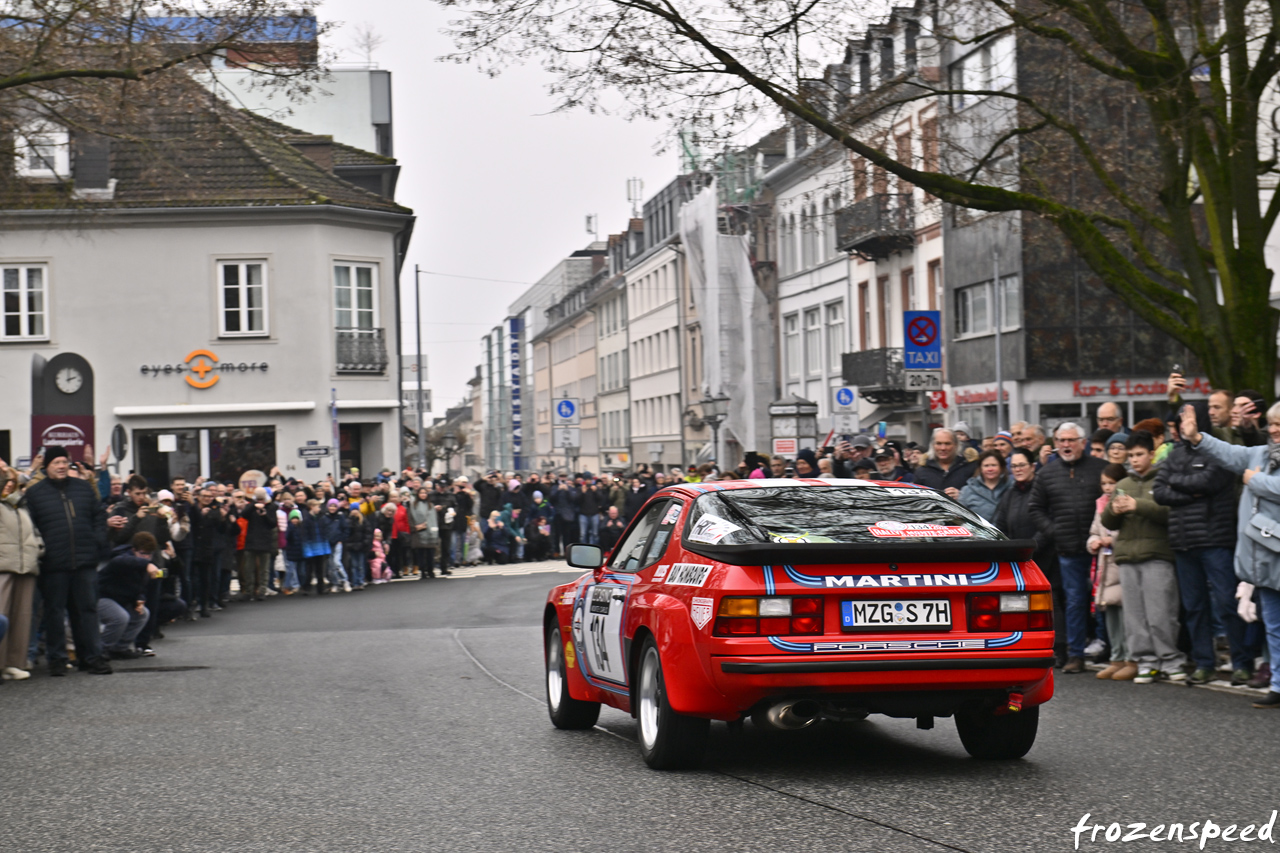
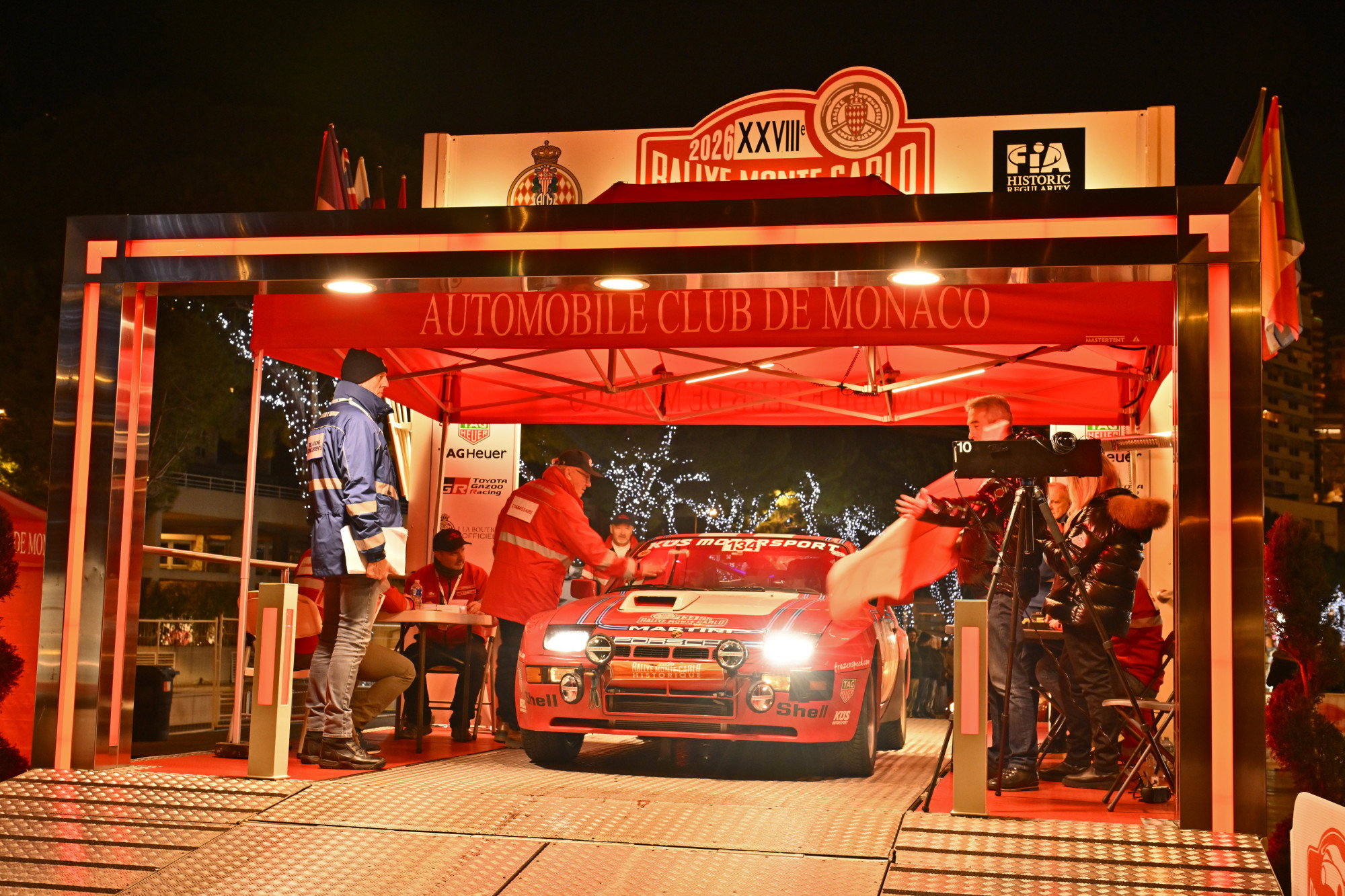
A total of 246 teams from 28 nations were registered for the 2026 edition. The kickoff was the two-day concentration run with six starting locations across Europe: John o’Groats in Scotland, Barcelona in Spain, Monte-Carlo in Monaco, Reims in France, Turin in Italy, and Bad Homburg v. d. H. in Germany. Initial passage controls had to be completed right from this stage.
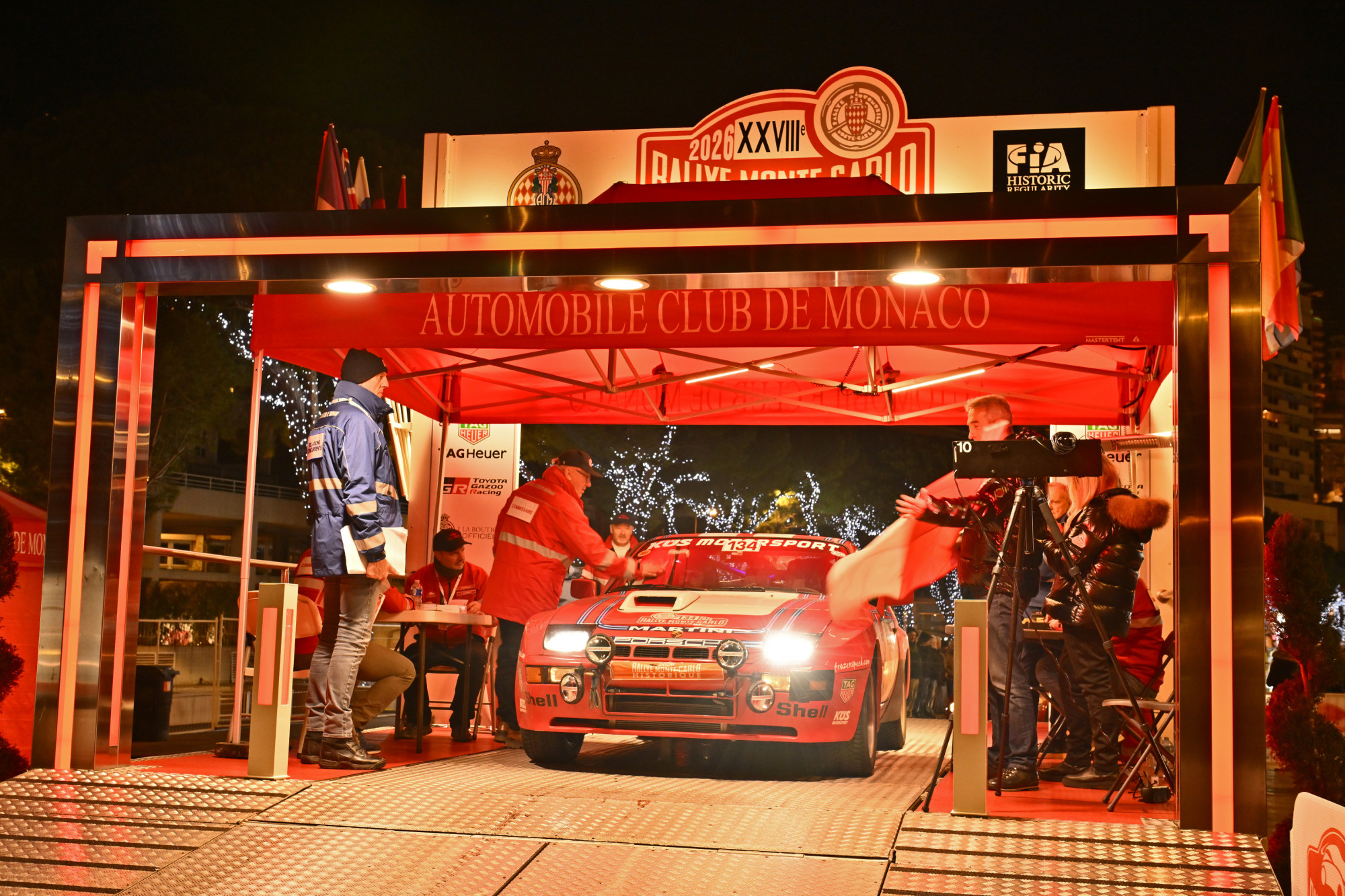
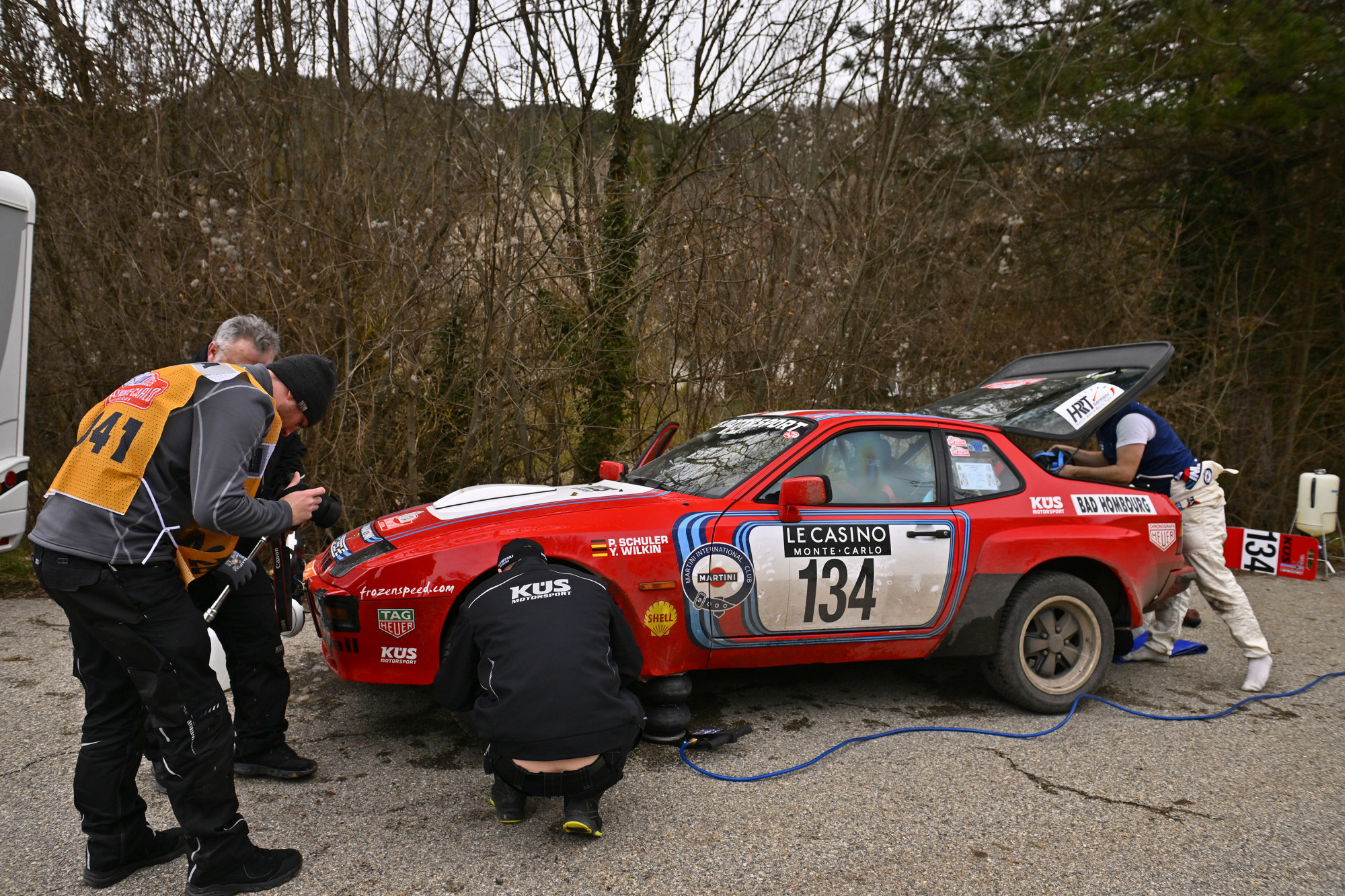
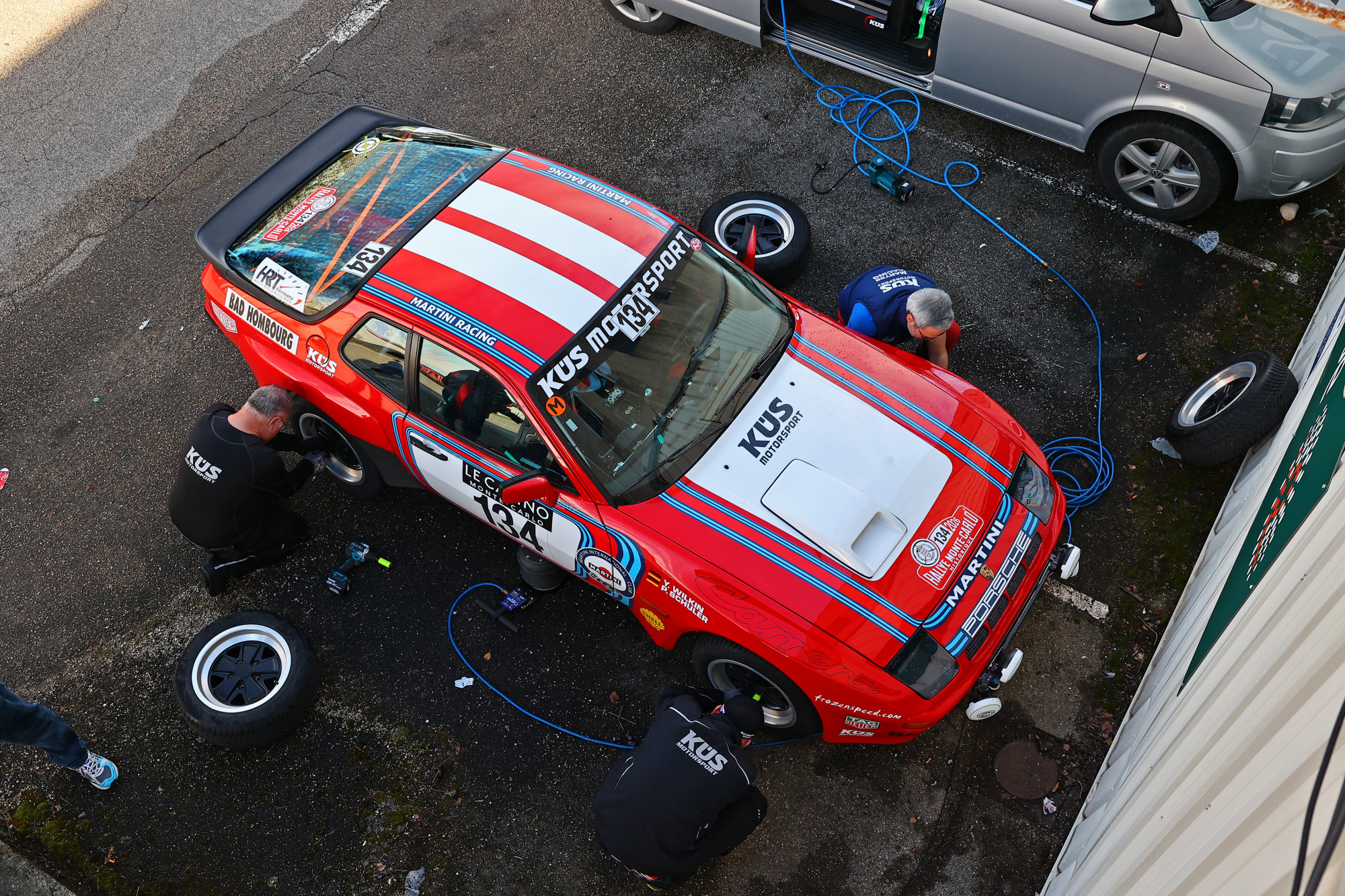
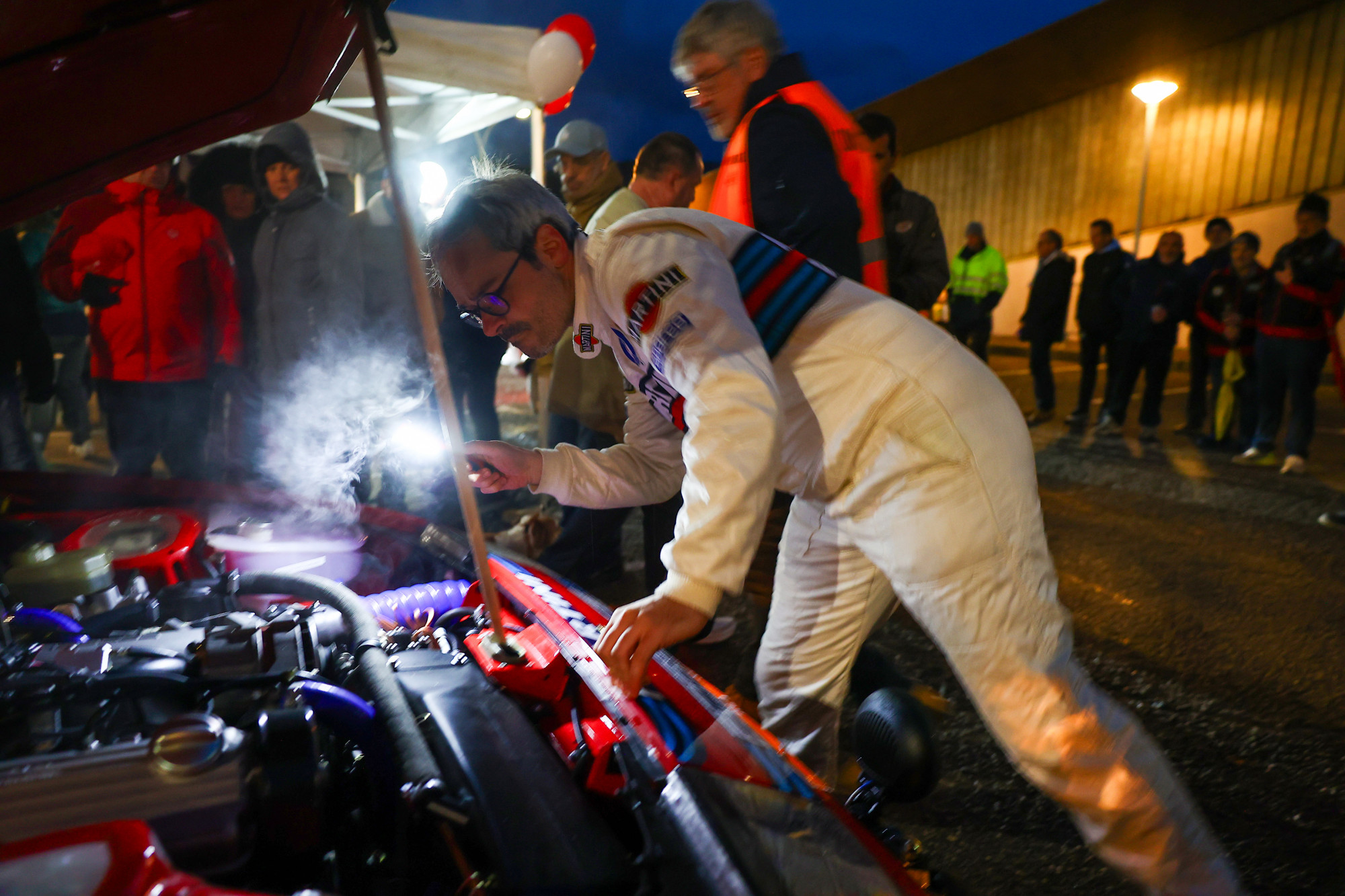
For Peter Schuler and Yannic Wilkin, the initial phase did not go smoothly: technical issues with the rally car caused additional tension and challenges early on, though these were handled masterfully.
Strong start to the regularity stages
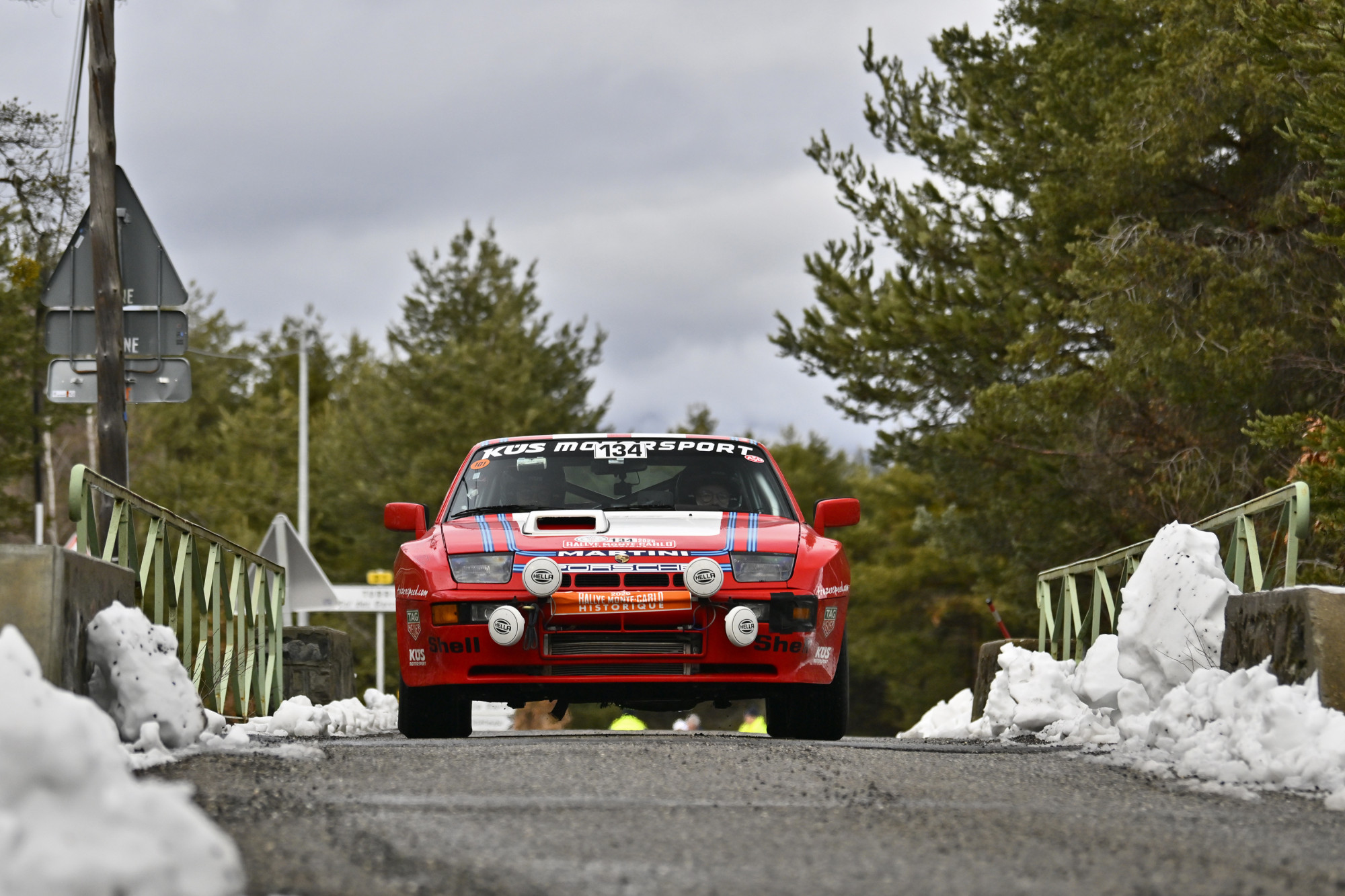
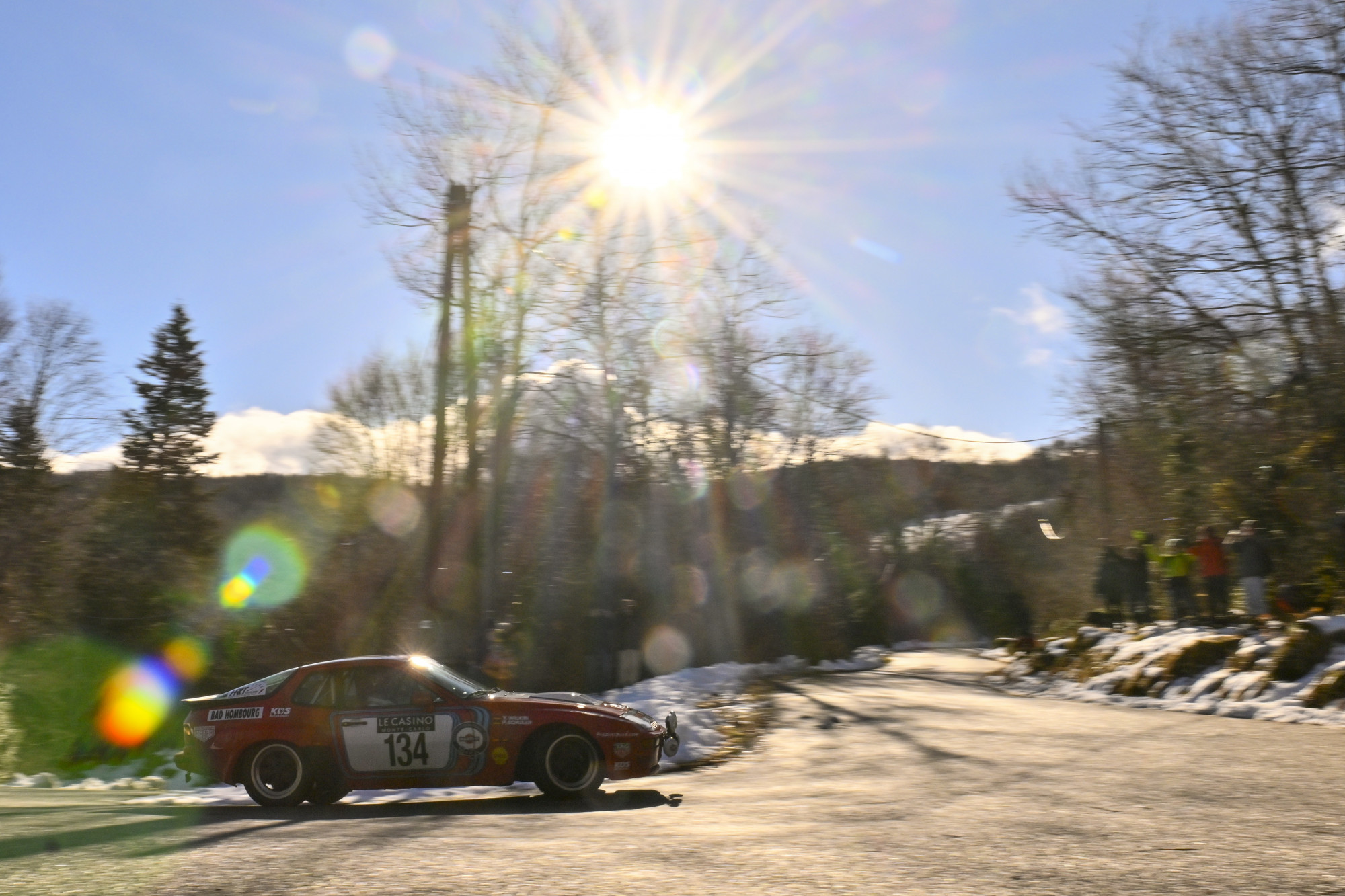
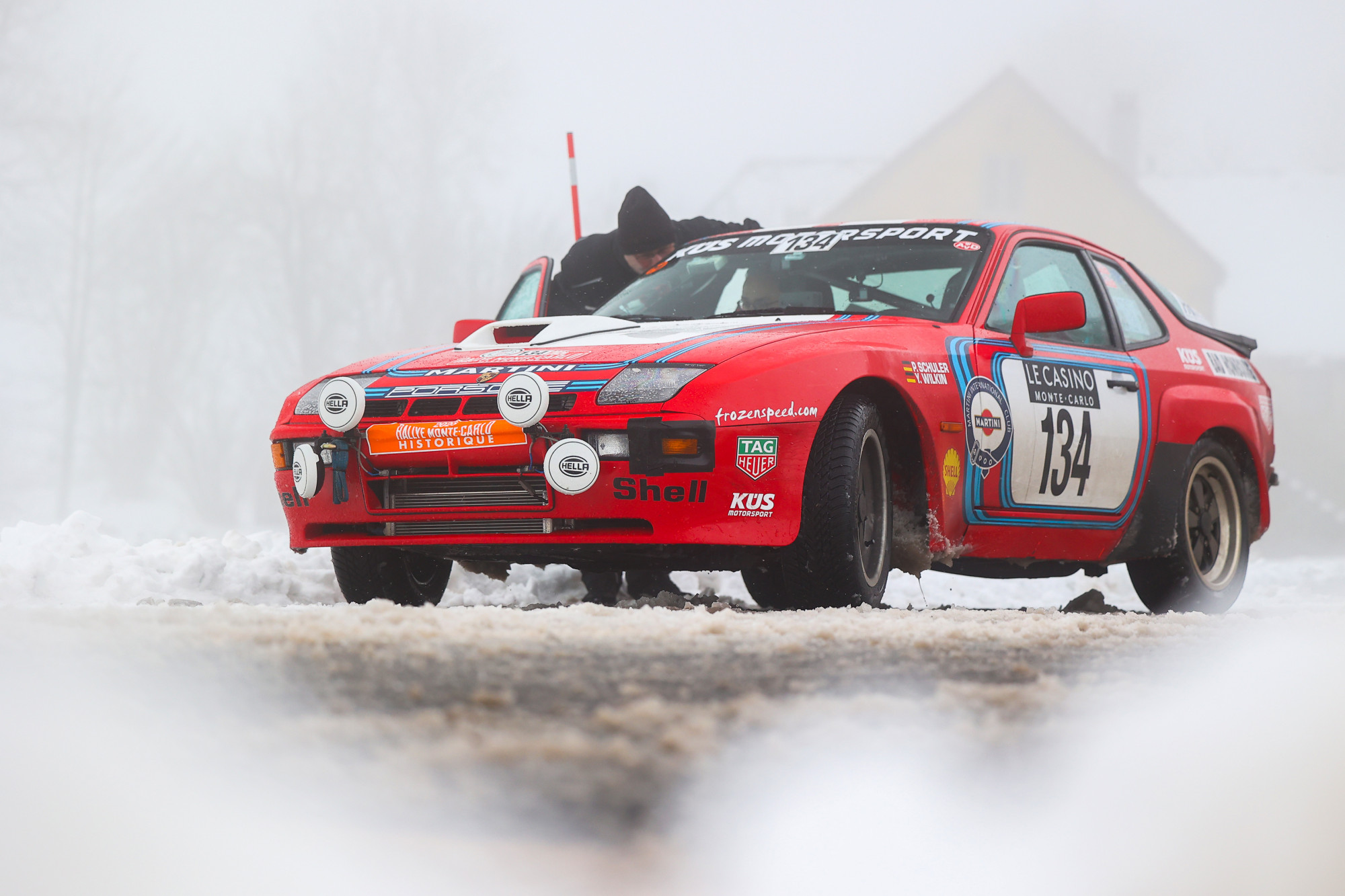
As a result, the duo was able to reach the finish line of the concentration run on schedule in Valence, France, where all participants came together for the first time. From there, all competitors also started the total of 18 regularity stages. After the first six stages, Peter Schuler and Yannic Wilkin were in an excellent 18th place overall, placing them in the top 20 of the high-caliber field. However, a slip-up in difficult snowy conditions on the twelfth stage, along with further technical challenges, caused them to drop significantly in the overall standings. To make matters worse, winter showed its particularly fickle side, bringing classic "Monte" conditions that ranged from bright sunshine and pouring rain to complete snow chaos.

Night stages on the legendary Col de Turini as a highlight
Among the highlights of the Rallye Monte-Carlo Historique, alongside the regularity stages held late into the night, are above all the two legendary passes in
France: the Col de Braus (1002 meters) and especially the Col de Turini at an altitude of 1607 meters. Both are considered extremely demanding and have been an integral
part of rally history for decades. It is not without reason that they are nicknamed the "Night of the Long Knives", as darkness, cold, and narrow mountain roads often give these stages a decisive importance in the overall standings. Here, Peter Schuler and Yannic Wilkin thrilled the numerous spectators with their performance.

A satisfying conclusion after around 2400 kilometers
By the end of the Rallye Monte-Carlo Historique 2026, the duo had covered around 2400 kilometers – including more than 200 kilometers on regularity stages, which for the first time were held on specially closed roads. "The challenges in this second rally participation were very high overall. That's part of it, and so we look back on an unforgettable experience with lasting impressions," was the joint conclusion of Peter Schuler and Yannic Wilkin. In the overall standings, the duo finished in 70th place and achieved third place within HRRT Team Germany, which finished eleventh as a team. The overall victory went to the Spanish duo Luis Climent Asensio and Carles Jimienez Valls in a BMW 323i.